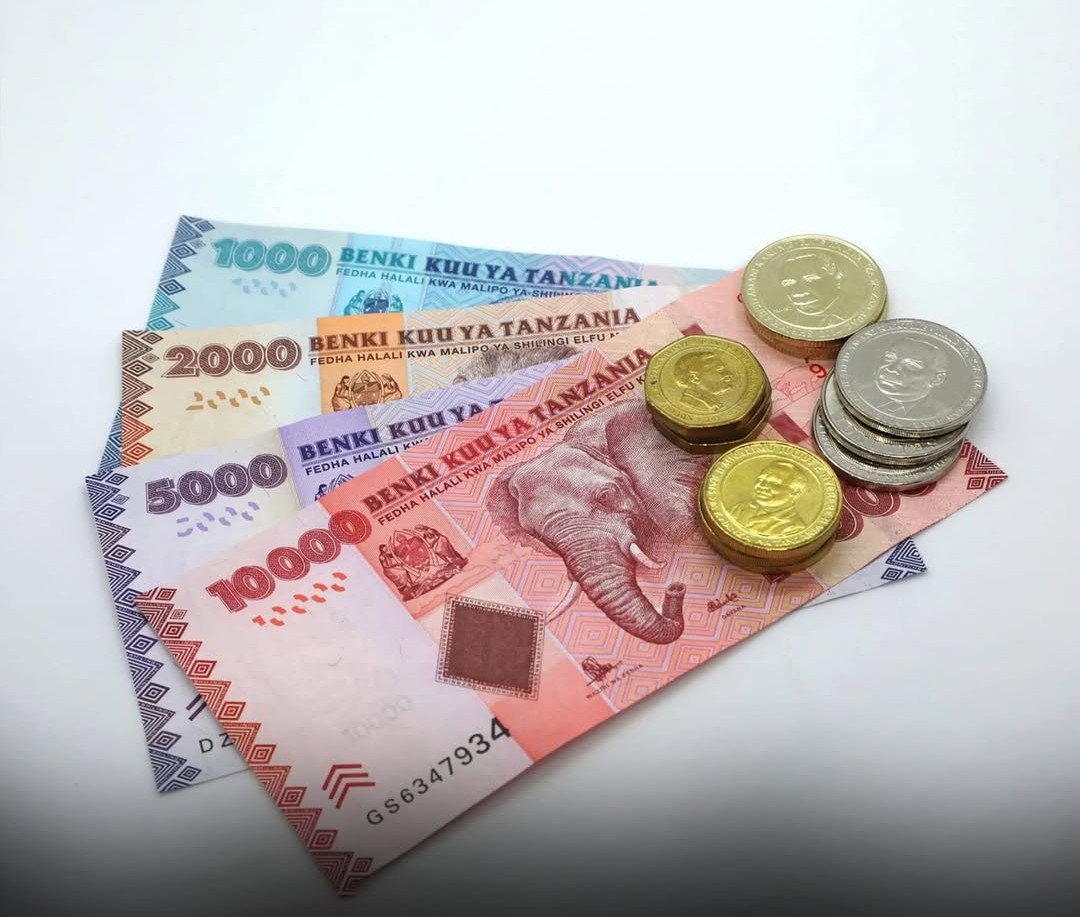
Tanzania has introduced strict new regulations on currency use to strengthen the Tanzanian Shilling (TZS). Since 2025, the Bank of Tanzania (BoT) prohibits quoting or accepting foreign currencies such as US Dollars (USD), Euros (EUR), or British Pounds (GBP) for most local transactions.
This comprehensive 2026 guide from Kilisherpas Travel explains what the changes mean for travelers, how to prepare, and how we help our clients navigate these rules smoothly.
What Does the New Law Say?
Under the Foreign Currency Usage Regulations 2025, all goods and services within Tanzania must be priced and paid for in Tanzanian Shillings (TZS). It is now illegal for businesses to:
Quote prices in foreign currency
Accept payments in USD, EUR, or GBP for local transactions
Refuse payment made in Tanzanian Shillings
This applies to everyday expenses such as restaurants, shops, taxis, markets, and many local services.
What This Means for Tourists
You can no longer casually pay in US dollars at most local businesses. Travellers are required to:
Exchange foreign currency into Tanzanian shillings upon arrival or as needed.
Use TZS for daily spending, tips for non-tour-operator staff, souvenirs, meals at local restaurants, and transport outside pre-booked packages.
Violations may result in refused service, though enforcement focuses more on businesses than individual tourists.
Important Exception for Tourism Services
There is a key exemption for the tourism sector:
Licensed tour operators (including Kilisherpas Travel) can still:
Quote prices in foreign currency (usually USD)
Accept payments in USD, EUR, or other major currencies
This covers:
Pre-booked accommodation and transfers arranged through your operator
Most major lodges and camps working with international operators also follow this exception for package-related services.
Where to Exchange Money
Always exchange currency through official channels only:
Authorized Bureau de Change (forex bureaus) at airports, Arusha, Dar es Salaam, or Zanzibar
Commercial banks
Avoid at all costs:
Street money changers
Unofficial vendors
Hotels with poor rates (unless no other option)
Tip: Bring clean, new US dollar bills (preferably 2010 or newer, in $50 and $100 denominations) for the best exchange rates.
Using Cards and Digital Payments
Credit and debit cards (Visa and Mastercard) are widely accepted at hotels, lodges, restaurants, and larger shops.
Expect a merchant fee of approximately 3–3.5%.
Inform your bank about your travel plans to avoid blocks.
Mobile money (such as M-Pesa) is popular locally but less useful for most international visitors.
Practical Tips for Travelers in 2026
Exchange enough Tanzanian Shillings for daily expenses (meals, tips, souvenirs, local taxis).
Carry small denominations of TZS for convenience.
Use your tour operator for all major payments to simplify the process and benefit from the tourism exemption.
Withdraw cash from ATMs in major towns if needed (fees apply).
Keep receipts for any large exchanges or card transactions.
On Kilimanjaro or Safari:
Your package with Kilisherpas Travel can be paid in USD. Daily crew tips are traditionally given in USD cash, which is still standard practice in the tourism industry.
Final Advice
The new currency regulations are straightforward once you understand them: use Tanzanian shillings for local day-to-day expenses and rely on your licensed tour operator for major travel services. With proper planning, these rules will not affect the quality of your safari, Kilimanjaro climb, or Zanzibar holiday.
At Kilisherpas Travel, we handle all logistics for our clients — including guidance on currency exchange, transparent USD pricing for packages, and seamless on-ground support — so you can focus on enjoying Tanzania.
📩 Contact us today for expert assistance with your 2026 trip, including customised safari, Kilimanjaro, or Zanzibar packages.
FAQs
What currency should I bring to Tanzania?
New, crisp US dollar bills (2009 or later) are best for exchange and tipping. Euros and British Pounds are also accepted at banks and bureaus but may offer slightly lower rates in smaller towns.
How much cash can I bring into Tanzania?
You may bring up to $10,000 USD (or equivalent) per person without declaration. Larger amounts must be declared at customs.
Can I still pay with foreign currency in Tanzania?
No for most local transactions. However, licensed tour operators can accept foreign currency for pre-booked safari, climbing, and tourism packages.
Where is the best place to exchange money?
At licensed Bureau de Change or commercial banks. Airport and city-center bureaus in Arusha and Zanzibar usually offer good rates.
Can I use a credit or debit card?
Yes, especially at hotels, lodges, and restaurants. Expect a 3–3.5% fee. Always notify your bank before traveling.
Do I need Tanzanian shillings for tipping on safari or Kilimanjaro?
Tips for guides, porters, and drivers are traditionally given in USD cash. Your Kilisherpas Travel coordinator will advise on the recommended amounts.