When travelers picture the soul of East Africa, the image of tall, proud warriors in vibrant red shukas, intricate beadwork, and performing the iconic jumping dance often comes to mind. This powerful image belongs to the Maasai one of the most recognizable and culturally rich ethnic groups in Africa.
Living primarily in northern Tanzania and southern Kenya, the Maasai have maintained a strong connection to their ancestral traditions while thoughtfully adapting to the realities of the modern world. A visit to a Maasai community offers travelers a meaningful glimpse into a living culture that has thrived for centuries.
Who Are the Maasai?
The Maasai are a semi-nomadic pastoralist people whose name derives from the Maa language, which they still speak proudly today. With a population of approximately one million in Tanzania (and over a million in Kenya), they are renowned for their deep spiritual and practical connection to cattle, strong communal values, and resilient way of life.
You will encounter Maasai communities near some of Tanzania’s most famous destinations, including:
Serengeti National Park
Ngorongoro Crater
Areas surrounding Mount Kilimanjaro
Tarangire and Manyara regions
Despite growing interaction with modern society, many Maasai families continue to uphold core elements of their traditional lifestyle.
Where Do the Maasai Live?
The Maasai inhabit a vast region known as Maasailand, stretching across the Great Rift Valley in northern Tanzania and southern Kenya. Their villages, called bomas (or enkangs), are traditionally built in open savannah areas close to good grazing land for their livestock.
These circular settlements reflect the Maasai’s harmonious relationship with the land and wildlife — a coexistence that has shaped the ecosystems of northern Tanzania for generations.
Traditional Maasai Life
Cattle: The Heart of Maasai Culture
Cattle are far more than livestock to the Maasai — they represent wealth, social status, bridewealth, and survival. A family’s herd size directly influences their standing within the community. Milk, meat, and occasionally blood (used mainly in ceremonial contexts) have traditionally formed the foundation of their diet.
Maasai Homes (Bomas)
Maasai homes are ingeniously constructed using locally available materials: wood frames plastered with mud and cow dung. These low, dome-shaped houses are arranged in a protective circle around a central livestock enclosure (boma), shielding animals from predators at night. Women traditionally build and maintain these homes.
Community Structure and Roles
Maasai society is highly organized and communal:
Men (warriors/morans) traditionally herd livestock and protect the community.
Women build homes, care for children, fetch water, and create beautiful beadwork.
Elders provide leadership, resolve disputes, and preserve oral traditions and knowledge.
Children learn responsibilities early, contributing to the family and community from a young age.
Maasai Traditions and Culture
The Famous Jumping Dance (Adumu)
The Adumu, or jumping dance, is one of the most celebrated Maasai traditions. Performed by young warriors (morans), it showcases strength, agility, and endurance. Warriors leap high into the air in rhythm, often as part of coming-of-age ceremonies, celebrations, and welcoming visitors. Today, it remains a vibrant expression of cultural pride.
Clothing and Symbolic Beadwork
Maasai attire is instantly recognizable:
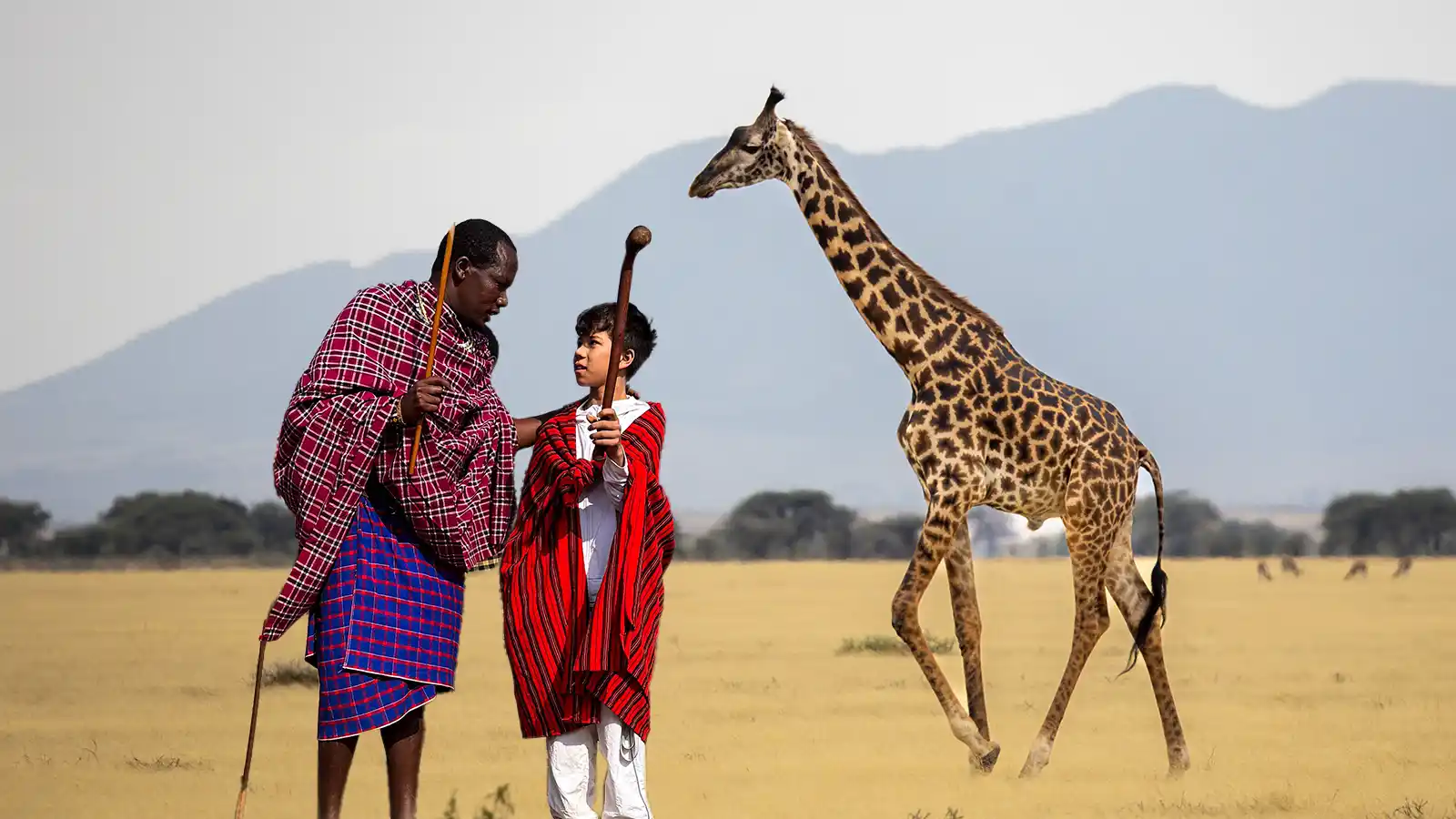
The shuka — a bright red (or sometimes blue) cloth wrapped around the body.
Elaborate beadwork jewelry, which carries deep symbolic meaning related to age, marital status, and social position.
Colours in beadwork hold significance:
Red: strength, bravery, and unity
Blue: the sky, water, and energy
White: peace, purity, and health
Green and orange: often represent vegetation and hospitality
Tools and Symbols
Traditionally, Maasai warriors carried spears, wooden clubs (rungu), and short swords. While these items are less commonly used for daily purposes today, they remain powerful cultural symbols of protection and identity.
Maasai Diet and Modern Adaptations
The traditional diet centered on cow’s milk, meat, and blood (taken sparingly in rituals). In response to changing circumstances — including land pressures and population growth — many communities have incorporated maize (ugali), rice, vegetables, and other foods. Education, farming, and tourism have become important parts of modern Maasai livelihoods.
Changing Traditions in the Modern World
Maasai culture continues to evolve while retaining its core identity:
More children now attend school, opening new opportunities.
Some families have diversified into small-scale farming or tourism-related enterprises.
Conservation awareness and community-based initiatives help balance traditional pastoralism with wildlife protection.
The Maasai population is growing, and their culture remains vibrant rather than disappearing. This dynamic adaptation makes cultural exchanges today especially meaningful.
Visiting a Maasai Village Responsibly
A visit to a Maasai village can be one of the most enriching experiences on a Tanzania safari. Through responsible tourism, travelers can learn about daily life, witness traditional dances, admire beadwork, and hear stories directly from community members.
At Kilisherpas Travel, we partner with Maasai communities that welcome visitors in a respectful, mutually beneficial way. Our experiences may include:
Guided village tours
Traditional dance performances
Beadwork demonstrations and storytelling
Opportunities to purchase authentic handicrafts directly from artisans
Essential Tips for Respectful Visits
Always ask permission before taking photographs.
Dress modestly and follow guidance from your hosts or guide.
Greet elders respectfully and engage with genuine curiosity.
Support the community by purchasing locally made souvenirs rather than giving random gifts or money directly.
Choose operators who ensure fair revenue sharing with the village.
Responsible visits help preserve Maasai traditions while providing sustainable income for education, healthcare, and community development.
Final Thoughts
The Maasai are far more than an iconic symbol of East Africa they are a proud, resilient people with a profound connection to the land, livestock, and each other. Their living culture offers travelers a deeper appreciation of Tanzania beyond its world-famous wildlife and landscapes.
By visiting responsibly, you contribute to the continuation of this unique heritage while gaining memories that last a lifetime.
Plan Your Meaningful Maasai Experience
Whether you are planning a Serengeti safari, a Ngorongoro adventure, or a Mount Kilimanjaro climb, Kilisherpas Travel can seamlessly incorporate a respectful Maasai cultural visit into your itinerary.
Our expert team ensures every experience is authentic, educational, and supportive of the local communities we work with.
Contact Kilisherpas Travel today to design your personalized Tanzania journey that includes a meaningful encounter with the Maasai people.