When you hear the word "safari," images of vast African savannahs, majestic wildlife, and thrilling adventures immediately come to mind. But what exactly does a safari entail? How has this legendary journey evolved from its historical roots into the modern-day wildlife experience? And where can you find the best safaris in Africa? In this comprehensive guide, Kilisherpas Travel takes you through the fascinating history, different types, and top destinations for an unforgettable safari adventure.
1. The Origin and Meaning of "Safari"
Etymology and Historical Roots
The word "safari" originates from the Swahili word safari, meaning "journey" or "trip." The term itself is derived from the Arabic safar, which also means "journey." In Swahili-speaking East African countries, safari broadly refers to any kind of journey, but globally, it has become synonymous with wildlife exploration.
Early Safari Expeditions
The concept gained prominence during the 19th and early 20th centuries, largely through the explorations of European travelers and naturalists like Richard Francis Burton, who explored East Africa in the 1800s. Burton’s travels helped popularize the term in Western languages and introduced the idea of exploring Africa's wilderness.
2. The Evolution of Safari: From Hunting to Conservation
Historical Safari: The Hunting Era
Initially, safaris were primarily hunting expeditions, with wealthy Europeans and Americans pursuing the "Big Five"—lion, elephant, rhino, buffalo, and leopard. These iconic animals were hunted for sport, trophies, and prestige, often with guides and armed escorts.
Modern Safari: Wildlife Observation & Conservation
Today, the concept has shifted dramatically. Modern safaris focus on wildlife observation, photography, and conservation efforts. Hunting is heavily restricted or illegal in most reserves, replaced by eco-friendly tours in carefully protected national parks and game reserves, such as the Serengeti, Maasai Mara, and Ngorongoro Crater.
Conservation and Ethical Tourism
Contemporary safaris emphasize sustainable tourism, wildlife protection, and supporting local communities. Responsible operators ensure that tourism benefits conservation efforts and preserves Africa’s rich biodiversity.
3. Types of Safaris: Exploring Different Ways to Experience Africa’s Wilderness
Classic Game Drive Safari
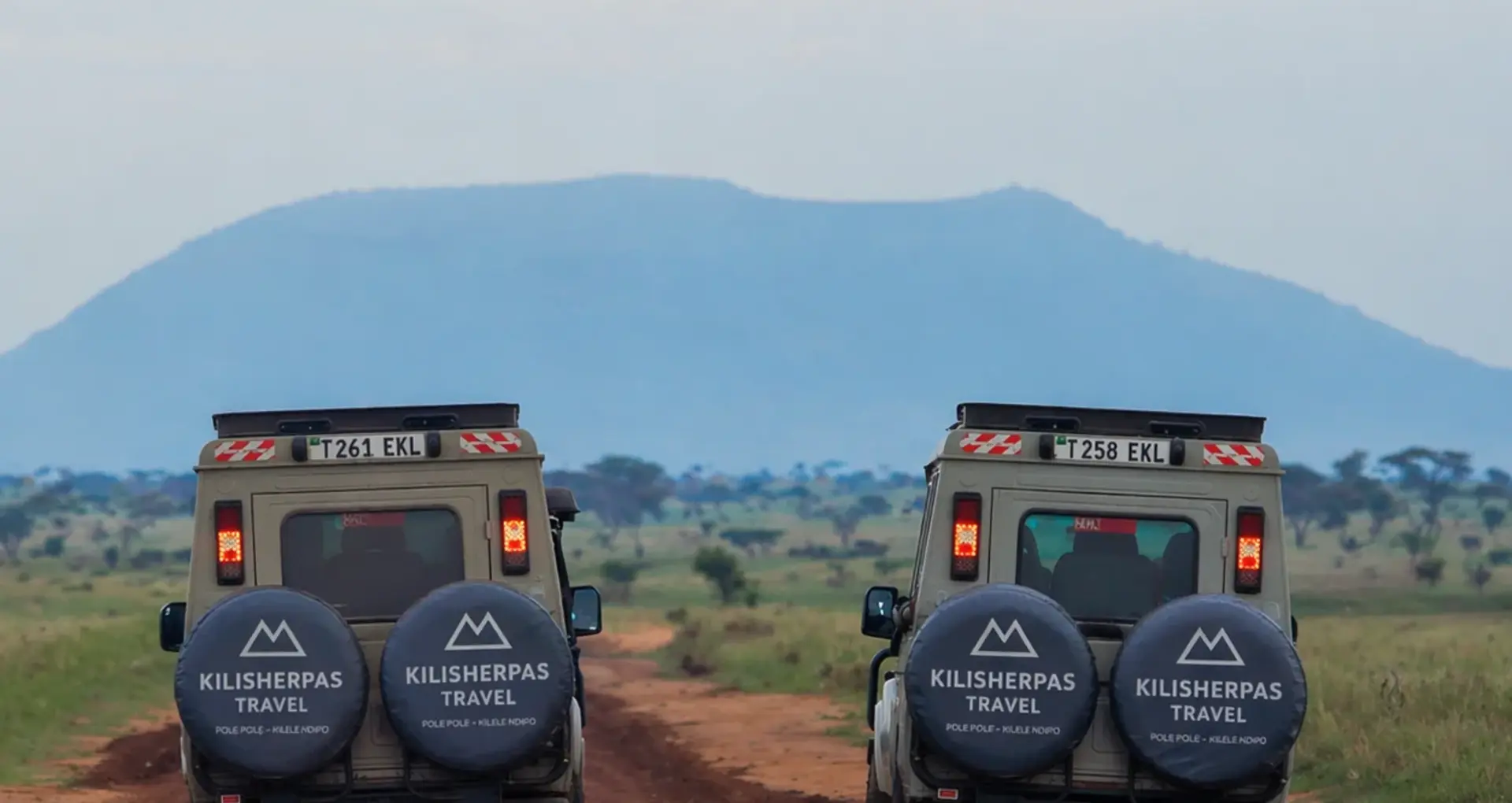
The most popular form, involving guided excursions in specially equipped 4x4 vehicles through national parks. These drives offer close-up encounters with wildlife such as elephants, lions, giraffes, and cheetahs, often during early mornings or late afternoons when animals are most active.
Walking Safari
For a more intimate experience, walking safaris are led by armed rangers who guide small groups on foot. This method allows travelers to observe the landscape, flora, and smaller creatures like insects and birds, providing a deeper connection to nature.
Aerial Safari (Hot Air Balloon)
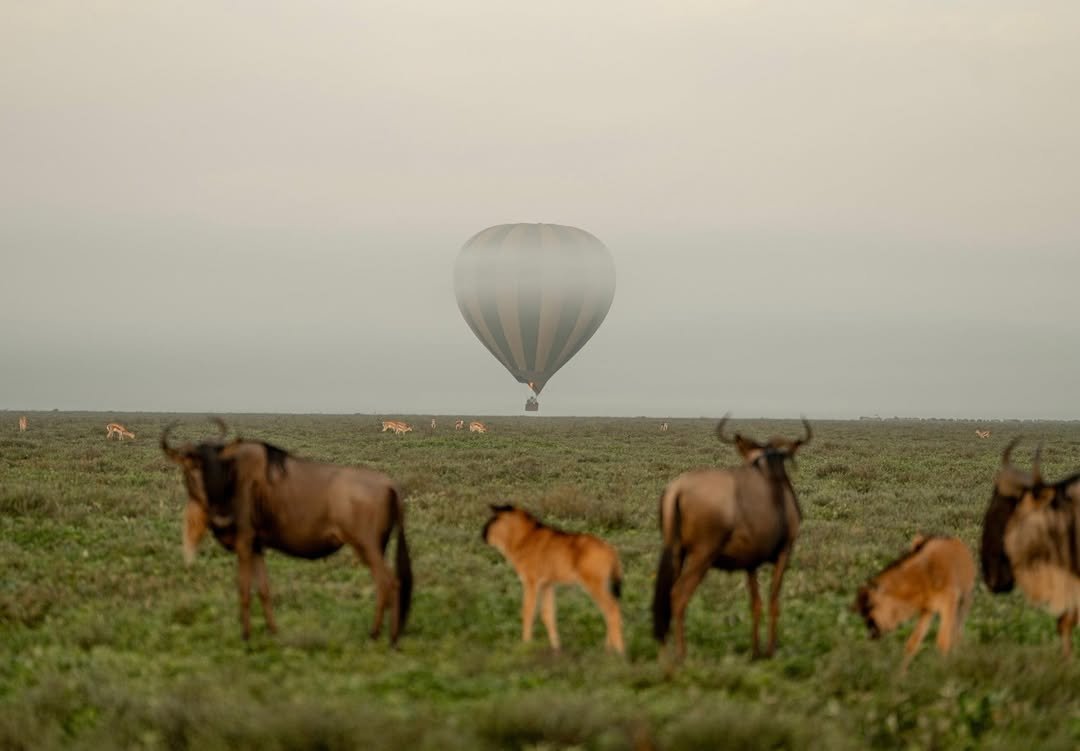
Experience Africa’s breathtaking scenery from above in a hot air balloon safari. This high-flying adventure offers unparalleled views of the savannah, wildlife herds, and the landscape at sunrise or sunset—an unforgettable experience.
Boat & Water Safari
In regions with lakes and rivers, safaris by boat are popular. Observe hippos, crocodiles, and waterfowl in their natural habitat, and even enjoy close encounters with dolphins in the Indian Ocean or Lake Victoria.
Specialized Safari Tours
Other options include night safaris, photographic safaris, and cultural safaris that combine wildlife viewing with visits to local tribes and villages.
4. Top Safari Destinations in Africa
Serengeti National Park, Tanzania
Renowned as the birthplace of the safari, the Serengeti is famous for the Great Migration—a massive movement of wildebeest, zebras, and other herbivores. The park hosts the Big Five and offers year-round wildlife viewing.
Maasai Mara, Kenya
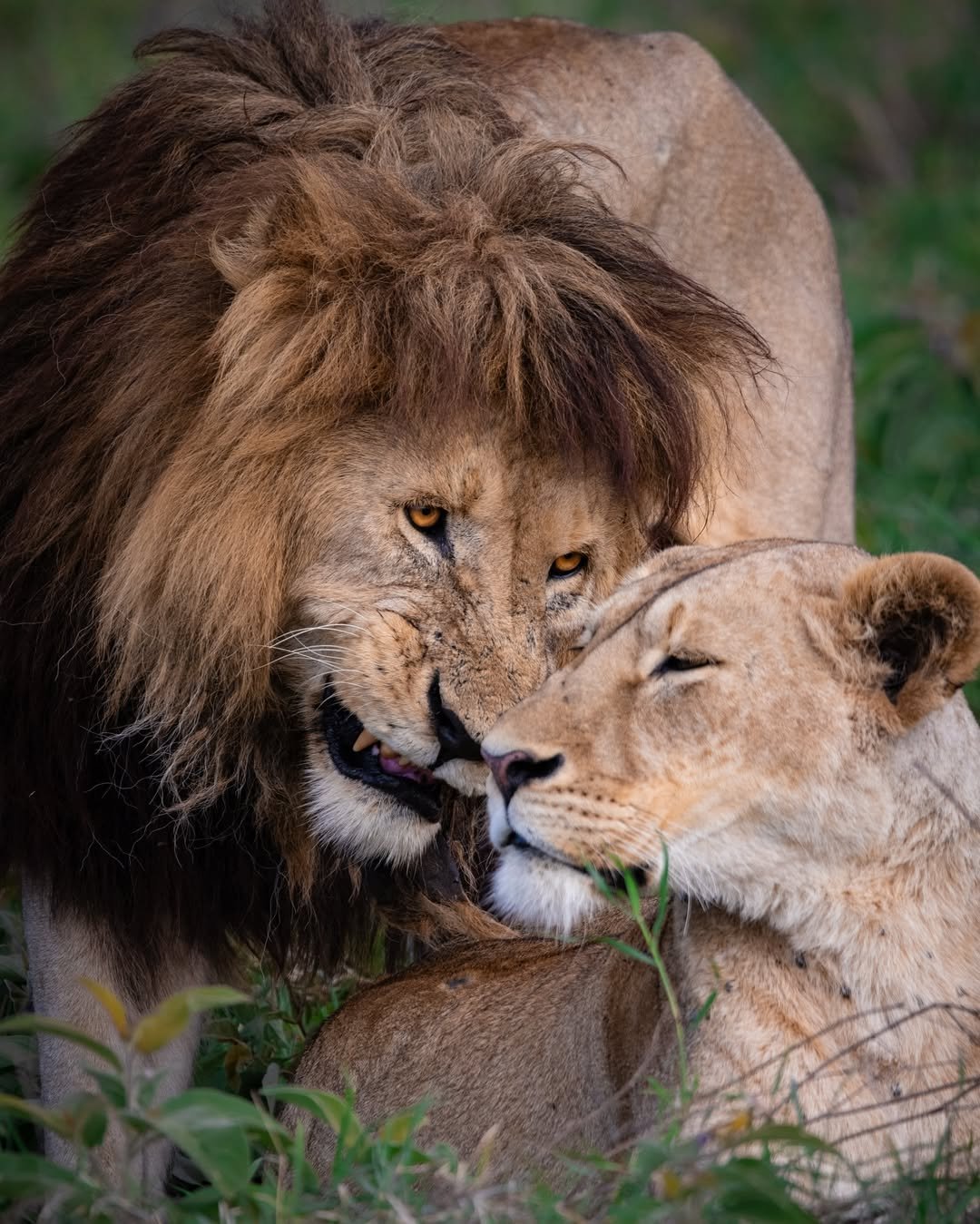
Adjacent to the Serengeti, Maasai Mara is celebrated for its abundant lion populations and spectacular wildlife scenes. It’s also a prime location for witnessing the migration.
Ngorongoro Crater, Tanzania
A UNESCO World Heritage Site, the crater is a natural enclosure teeming with game, including rhinos, elephants, and big cats. Its unique landscape provides excellent game viewing from the crater rim.
Other Notable Parks and Reserves
Selous Game Reserve, Tanzania
Chobe National Park, Botswana
Kruger National Park, South Africa
Okavango Delta, Botswana
Queen Elizabeth National Park, Uganda
Safari Beyond Africa
The spirit of safari has expanded worldwide, with parks and reserves in India (Ranthambore, Gir Forest) and other regions adopting the concept of wildlife conservation and eco-tourism.
5. How Long Should a Safari Be?
Optimal Duration for a Rich Experience
A typical safari lasts from 3 to 10 days, depending on your interest and itinerary. Longer safaris allow more opportunities to explore multiple parks, witness the migration, and enjoy early morning and evening game drives when animals are most active.
Extended Safari Adventures
Many seasoned travelers, like Theodore Roosevelt and Ernest Hemingway, spent weeks or months exploring Africa’s wilderness. For an immersive experience, plan a two-week or longer safari to truly connect with nature.
6. Planning Your Safari: What to Expect & Tips
Stay and Accommodation
Opt for lodges or tented camps located within or near national parks. Staying inside parks offers early morning access and more immersive experiences, while luxury lodges provide comfort after long days in the wild.
Daily Routine on Safari
Wake early for sunrise game drives
Enjoy outdoor breakfasts amidst wildlife
Return to the lodge for rest during the hottest part of the day
Venture out again in the late afternoon and evening for prime animal activity
Relax and share stories around a campfire or in a cozy lodge
Best Time to Visit
Dry Season (June to October): Ideal for game viewing as animals gather around water sources.
Rainy Season (November to May): Less crowded, lush landscapes, and lower prices, but some areas may be inaccessible.
Practical Tips
Bring binoculars and camera gear
Pack neutral-colored clothing
Follow park regulations and listen to your guide
Respect wildlife and their habitats
7. Why Choose Kilisherpas Travel for Your Safari Adventure?
At Kilisherpas Travel, we specialize in crafting personalized safari experiences tailored to your interests and schedule. Our expert guides, top-quality vehicles, and commitment to responsible tourism ensure that your safari is not only memorable but also sustainable. Whether you’re seeking a classic game drive, a photographic expedition, or a combination of cultural and wildlife tours, we’ll help you create the perfect African adventure.
Conclusion
A safari is far more than just a journey—it’s an immersive encounter with the wild heart of Africa. From the legendary plains of the Serengeti to the lush forests of Kenya, safaris offer unmatched opportunities to observe nature’s most magnificent creatures in their natural habitat. Ready to explore Africa’s wilderness? Contact Kilisherpas Travel today, and let us guide you on your once-in-a-lifetime safari adventure.