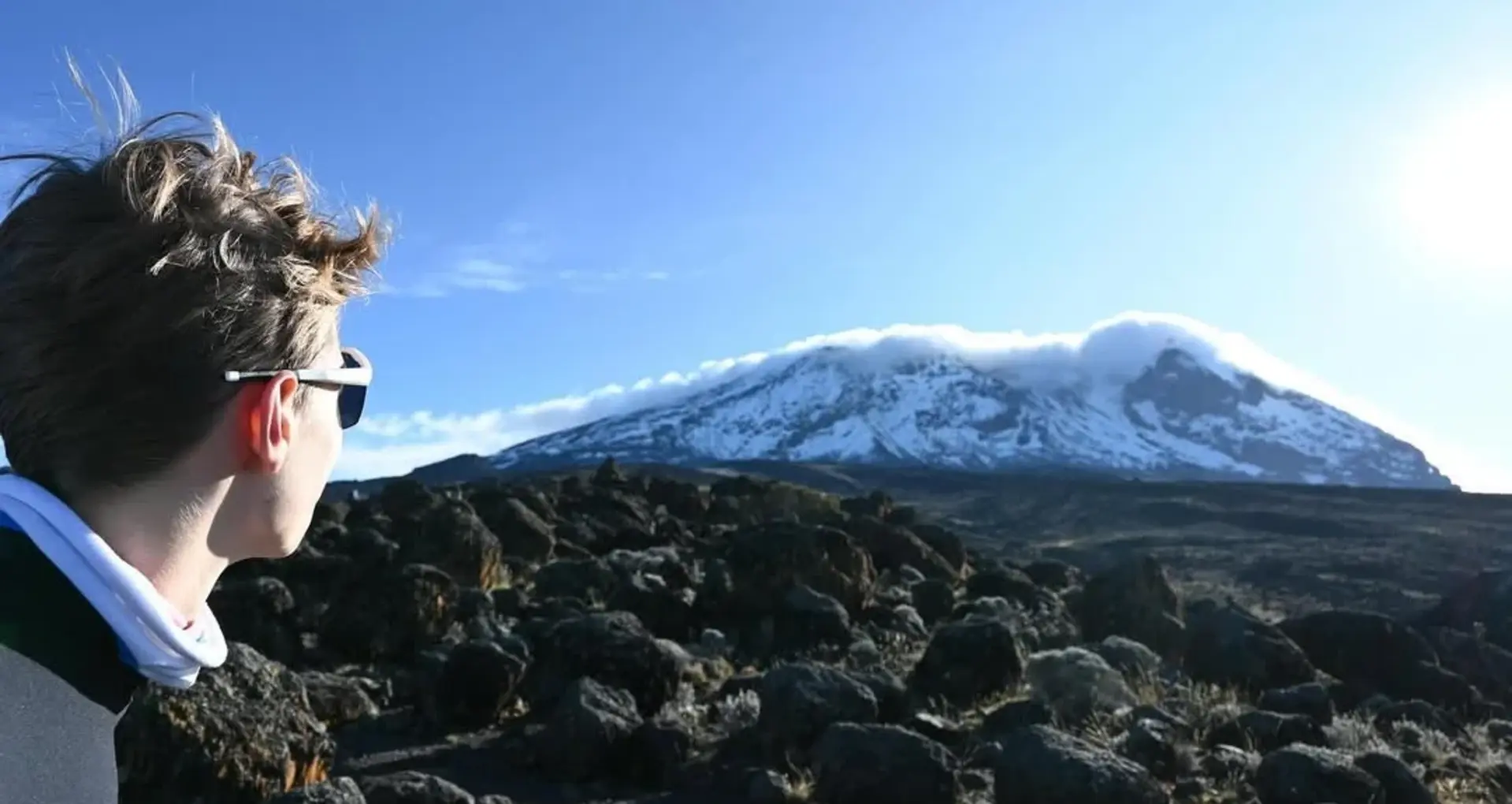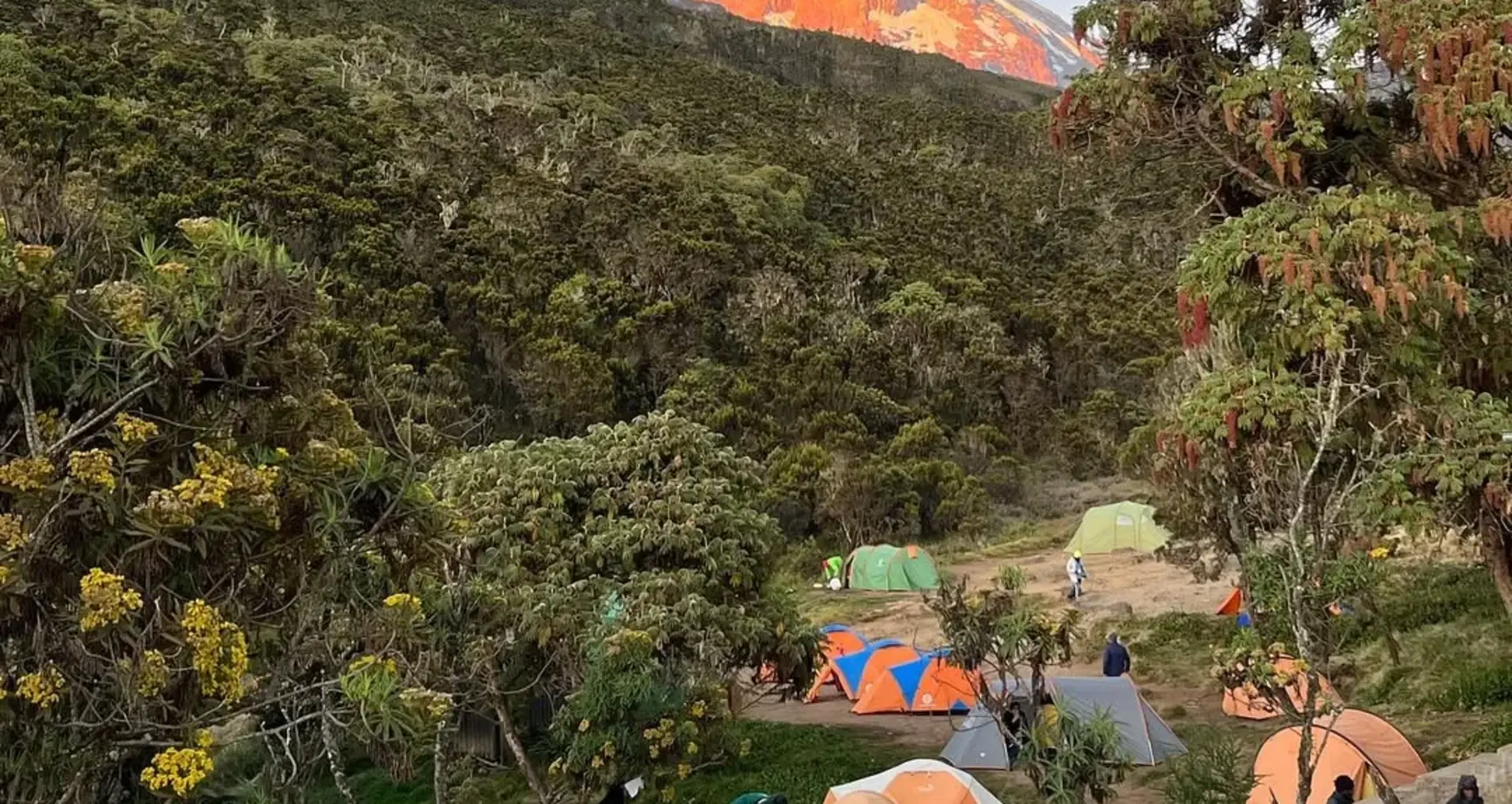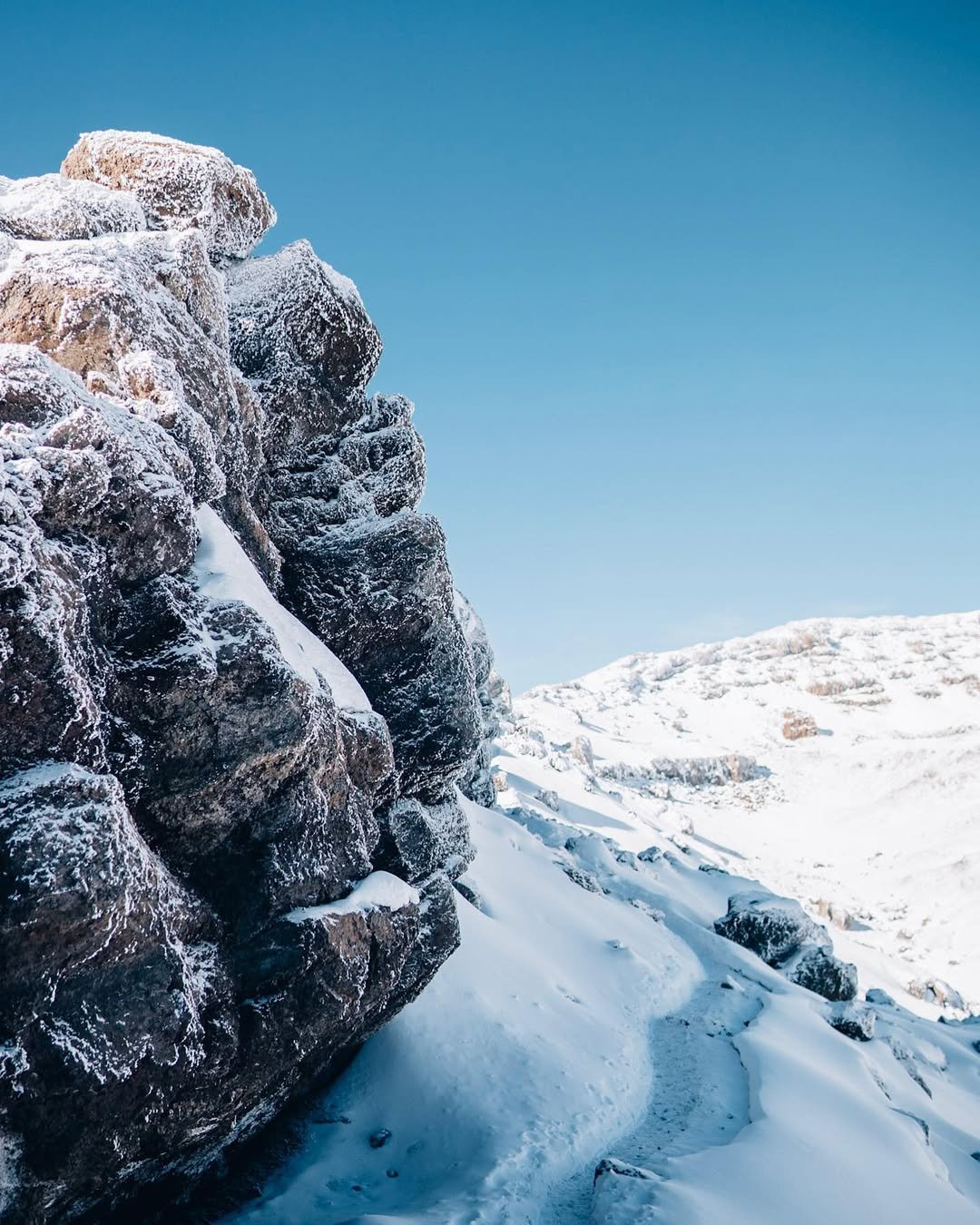
Mount Kilimanjaro stands as one of the most awe-inspiring natural landmarks on Earth. Situated just south of the equator, this colossal dormant volcano draws adventurers, nature lovers, and explorers from around the globe. Beyond its breathtaking panoramic views and endemic flora, Kilimanjaro is a symbol of challenge and transformation, offering a once-in-a-lifetime experience for first-time climbers and seasoned mountaineers alike. At Kilisherpas Travel, we believe Kilimanjaro is not just a mountain; it’s an adventure that can change your life. Here are some fascinating facts about this iconic peak that will deepen your appreciation and inspire your journey.
The Height and Location of Kilimanjaro
Mount Kilimanjaro rises to an impressive 19,340 feet (5,895 meters) above sea level, making it the highest mountain in Africa. Interestingly, the region around Kilimanjaro lies at just 2,624 feet (800 meters) above sea level, meaning climbers ascend from a significant altitude.
Trailheads and Starting Points
Londorossi Gate (Lemosho & Northern Circuit routes): 7,740 ft (2,360 m)
Lemosho Glades: 11,500 ft (3,500 m) — many routes begin here, offering early acclimatisation.
Machame Gate: 5,720 ft (1,740 m) — located in lush tropical forests.
Marangu Gate: 8,860 ft (2,700 m) — the most popular route, often crowded.
Nalemuru (Rongai) Gate: 6,400 ft (1,950 m) — on the mountain's northern side, known for dry weather.
Umbwe Gate: 5,250 ft (1,600 m) — the most challenging trail.
While climbers do not trek the full height from base to summit in one go, reaching Uhuru Peak places you at 19,340 feet, where the curvature of the earth is visible—an awe-inspiring sight.
The Enigmatic Name of Kilimanjaro
The origins of the name “Kilimanjaro” remain shrouded in mystery. Many theories originate from the local Chagga tribe, who have inhabited the mountainside long before Swahili became widespread.
Common Theories:
"Kilelema" and "Njaare": Meaning “impossible” and "bird", possibly referring to the mountain’s daunting height, “impossible even for a bird".
"Caravan Obstacle": Johannes Rebmann, one of the first European explorers, speculated that “Jaro” means "caravan", implying the mountain once blocked trade routes.
"White" Reference: Some suggest it describes the snow caps, famously described by Hemingway as “unbelievably white".
Spirit Legend: A myth about an evil spirit guarding the summit persists, but with thousands of climbers successfully reaching Uhuru Peak annually, it seems the spirit’s hold has weakened over centuries.
At Kilisherpas Travel, we love the mystery surrounding Kilimanjaro’s name—it adds to the mountain’s legendary allure.
Kilimanjaro’s Unique Geography and Formation
Located just 200 miles south of the equator, Kilimanjaro's ecosystems range from lush rainforest to alpine desert. Its status as the tallest free-standing mountain in the world—rising abruptly from the plains—is what sets it apart from mountain ranges like the Himalayas or Andes.
Formation History
750,000 years ago: Lava erupted through the Great Rift Valley, forming Shira volcano.
Eruption progression: Over time, Shira caldera collapsed, and Mawenzi formed as the second cone.
Recent activity: About 40,000 years ago, a massive eruption formed Kibo, the tallest cone, crowned by Uhuru Peak.
Despite its dormancy, the mountain still shows signs of volcanic activity, notably the Ash Pit—a testament to Kilimanjaro’s fiery past. The last eruption, approximately 200 years ago, created this feature, which can be visited during a trek if you’re up for an extra adventure.
Uhuru Peak: The Summit of Dreams
Height: 19,341 feet (5,895 meters)
Routes to the summit:
Marangu Route: The “Coca-Cola” trail, the easiest but crowded.
Lemosho & Machame Routes: Longer, more scenic, higher success rates.
Western Breach: The most challenging, requiring technical skills.
Northern Circuit: The longest and least crowded, offering spectacular views.
Reaching Uhuru Peak is a conquest that demands acclimatisation and perseverance, but it’s accessible to most healthy travellers with proper preparation.
The Glaciers and Climate Change
Kilimanjaro's glaciers are among the most striking features, and they are rapidly melting—having lost about 80% of their ice since the early 20th century. Today, only a few glaciers remain, including the Furtwängler Glacier and Rebmann Glacier.
Why Are They Melting?
Global warming: The primary cause, with rising temperatures accelerating melting.
Melting from below: Due to heat from beneath the ice and rocks, not just sunlight.
Future outlook: Scientists predict glaciers could disappear within the next decade, making this a rare chance to witness them in full glory.
Visiting the glaciers offers a surreal experience—an icy wonder at the equator, melting away before our eyes.
Flora and Fauna of Kilimanjaro
Despite its high altitude, Kilimanjaro hosts over 1,200 plant species, including endemic species like Dendrosenecio kilimanjari, a giant groundsell that can reach 20 feet tall.
Notable Animals
Blue monkey: Common in the rainforest zone.
Colobus monkey: Elegant, black-and-white, often high in the trees.
White-necked raven: Highly intelligent and often seen hovering near camps.
Galagos (bush babies): Nocturnal primates with excellent night vision.
Mice: Frequently seen around campsites, scurrying in the early morning or evening.
The mountain’s varied ecosystems—from lush rainforests to alpine deserts—support a diverse array of plants and animals, many endemic to Kilimanjaro.
The Tallest Tree in Africa
Recent discoveries have identified the tallest tree in Africa on Kilimanjaro—an incredible 265 feet (81 meters) tall! This ancient, towering tree is a symbol of survival, thriving in the mountain’s challenging high-altitude environment.
Glaciers: Melting Ice at the Equator
Kilimanjaro’s glaciers are a global icon—one of the few places near the equator where ice persists. They are melting rapidly due to climate change, with an estimated 80% loss since the 20th century. Visiting these glaciers is a poignant reminder of environmental fragility and the urgent need for conservation.
Kilimanjaro National Park & Conservation
Established in 1973, Kilimanjaro National Park protects the mountain’s stunning ecosystems. Regulations include:
Use of designated routes only
No off-trail trekking
Limited construction to preserve the environment
Promotion of sustainable tourism and local employment
Supporting Kilimanjaro’s conservation helps ensure future generations can experience its magic.
Kilimanjaro in Arts and Culture
While not as prominent in arts as other mountains, Kilimanjaro has inspired works like Ernest Hemingway’s "Snows of Kilimanjaro" and the 1952 film adaptation. It symbolises adventure, mortality, and the human spirit’s resilience.
Record-Breaking Ascents and Milestones
Youngest to summit: Montannah Kenney at 7 years old (2018).
Oldest climber: Anne Lorimore at 89 years old, achieving the summit without supplemental oxygen.
Fastest ascent: Swiss climber Karl Egloff completed it in under 7 hours via the Umbwe route.
Notable stories: The heroism of climbers overcoming physical and age-related challenges, proving that Kilimanjaro is accessible to all.
Conclusion
Mount Kilimanjaro is a natural marvel, rich in history, geology, and biodiversity. Its towering presence continues to inspire millions, offering a challenge that’s as accessible as it is extraordinary. Whether you seek adventure, personal achievement, or awe-inspiring scenery, Kilimanjaro remains a destination like no other.
At Kilisherpas Travel, we’re passionate about guiding you safely to the summit and helping you discover the mountain’s countless wonders. Ready for your adventure? Contact us today and begin your journey to Africa’s roof.