Perched on the border between Kenya and Tanzania, Lake Chala is a breathtaking volcanic crater lake that remains one of East Africa’s best-kept secrets. With its pristine waters fed by groundwater from Mount Kilimanjaro, this idyllic destination offers a unique blend of natural beauty, adventure, and tranquility. Despite its growing popularity on social media and travel circles, Lake Chala remains relatively undiscovered—making it the perfect escape for travelers seeking solitude, scenic landscapes, and authentic wildlife experiences. Join us as we explore this stunning crater lake and uncover why it should be on your Tanzanian travel list.
1. How to Reach Lake Chala: A Journey from Dar es Salaam to the Crater
Starting Your Adventure in Dar es Salaam
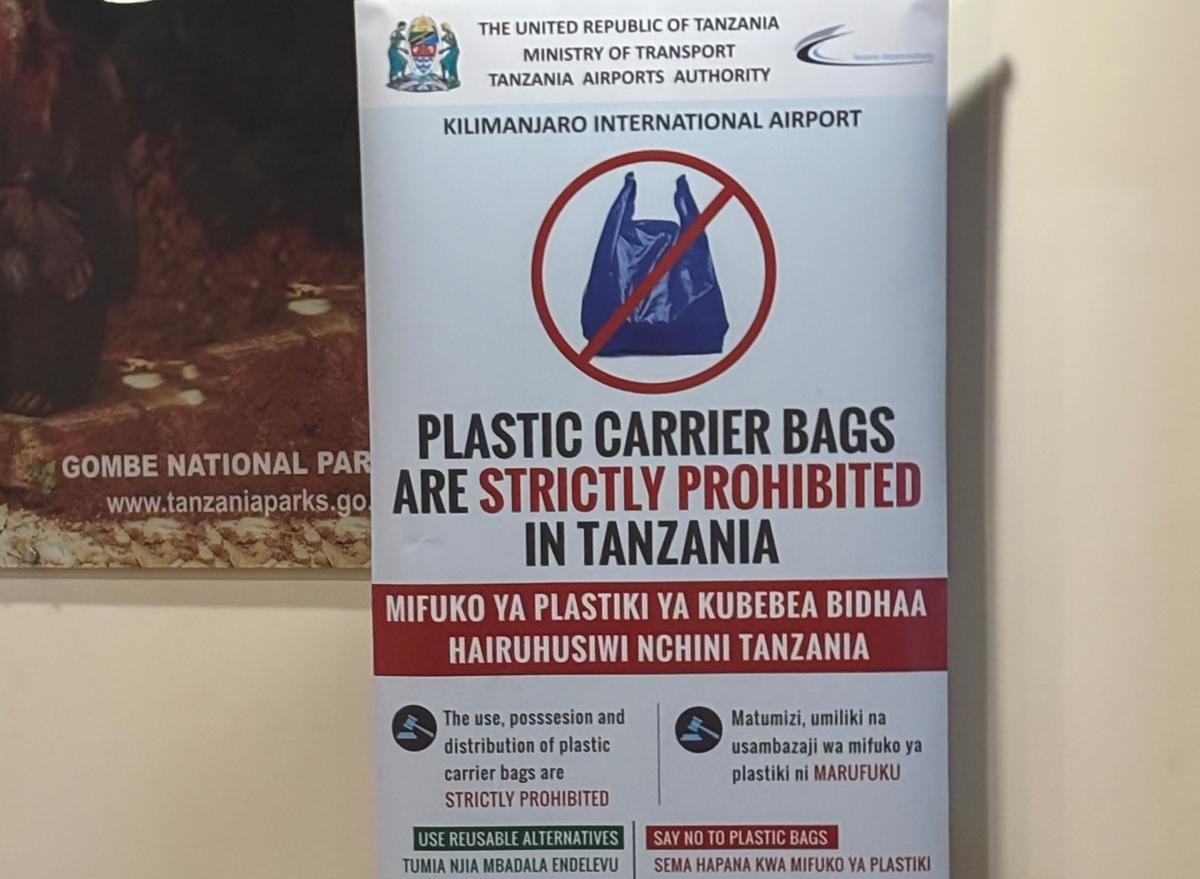
My journey began in Dar es Salaam, where I opted for a flexible schedule and a flight sale deal to make the trip more affordable and spontaneous. I took an Uber to the airport for just 20,000 Tanzanian Shillings (TSh), and after a short flight with Precision Air, I landed at Kilimanjaro International Airport (KIA). The lush, green surroundings upon arrival immediately set a vibrant tone for the trip.
From Kilimanjaro Airport to Moshi
Upon arrival, I took the comfortable Precision Air shuttle to Moshi for only 10,000 TSh. The scenic 30-minute drive offered glimpses of Tanzania’s lush landscapes, setting the stage for my adventure.
Exploring Moshi and Beyond
In Moshi, I took some time to enjoy a hearty breakfast at Kilimanjaro Coffee Lounge, fueling up for the day ahead. The owner’s friendly support helped me organize my journey to Lake Chala via public transport, which turned out to be straightforward, cost-effective, and enjoyable.
2. The Scenic Road to Lake Chala
Moshi to Holili – The Kenyan Border
From Moshi, I boarded a local dala dala (public bus) to Holili, a Kenyan border town. The two-hour ride cost only 2,000 TSh and was filled with lively Swahili and Maasai language exchanges. Once at Holili, I navigated a bustling scene of boda boda (motorbike) drivers eager to take visitors to Lake Chala.
Tips for the Boda Boda Ride
Stay on the bus for a moment to choose your driver, especially if you don’t speak Swahili.
Bargain for a fair price—though I paid 10,000 TSh, some travelers report negotiating down to 7,000.
Carry snacks or biscuits to avoid feeling overwhelmed by the crowd and drivers.
Holili to Lake Chala
The ride from Holili to Lake Chala is a visual feast. Passing through sisal farms with Mount Meru behind and Mount Kilimanjaro ahead, the contrasting red dirt and lush greenery offer countless photo opportunities. Once at the gate, a mandatory fee is payable at the Tanzanian Wildlife Authority—currently around $28 USD for foreigners.
3. Accommodation and the Lake Chala Experience
Lake Chala Safari Lodge: The Only Option
The only operational lodge on the Tanzanian side is Lake Chala Safari Lodge. Historically, there were more options, including facilities on the Kenyan side, but recent restrictions have limited access. The lodge offers a luxurious and authentic experience, especially during the rainy season when the landscape is at its greenest.
Upgraded Comfort Amid Rainy Conditions
Due to recent heavy rains, the lodge’s management kindly upgraded me to a luxury safari tent, complete with a plush double bed overlooking the plains. The tents feature full bathrooms with hot water, a private balcony, and spectacular views over the lake.
Dining and Relaxation
The lodge’s restaurant and bar provide an excellent setting for unwinding, with local dishes like fried ugali and passionfruit tart for dessert. I spent hours there reading, soaking in the sounds of the surrounding jungle, and enjoying the cool breeze.
4. Activities at Lake Chala
Sunrise Yoga and Scenic Breakfast
Starting my day with yoga on the balcony while watching the sunrise was a serene experience. Breakfast was a feast of fresh, local produce, energizing me for the day ahead.
Kayaking and Water Exploration
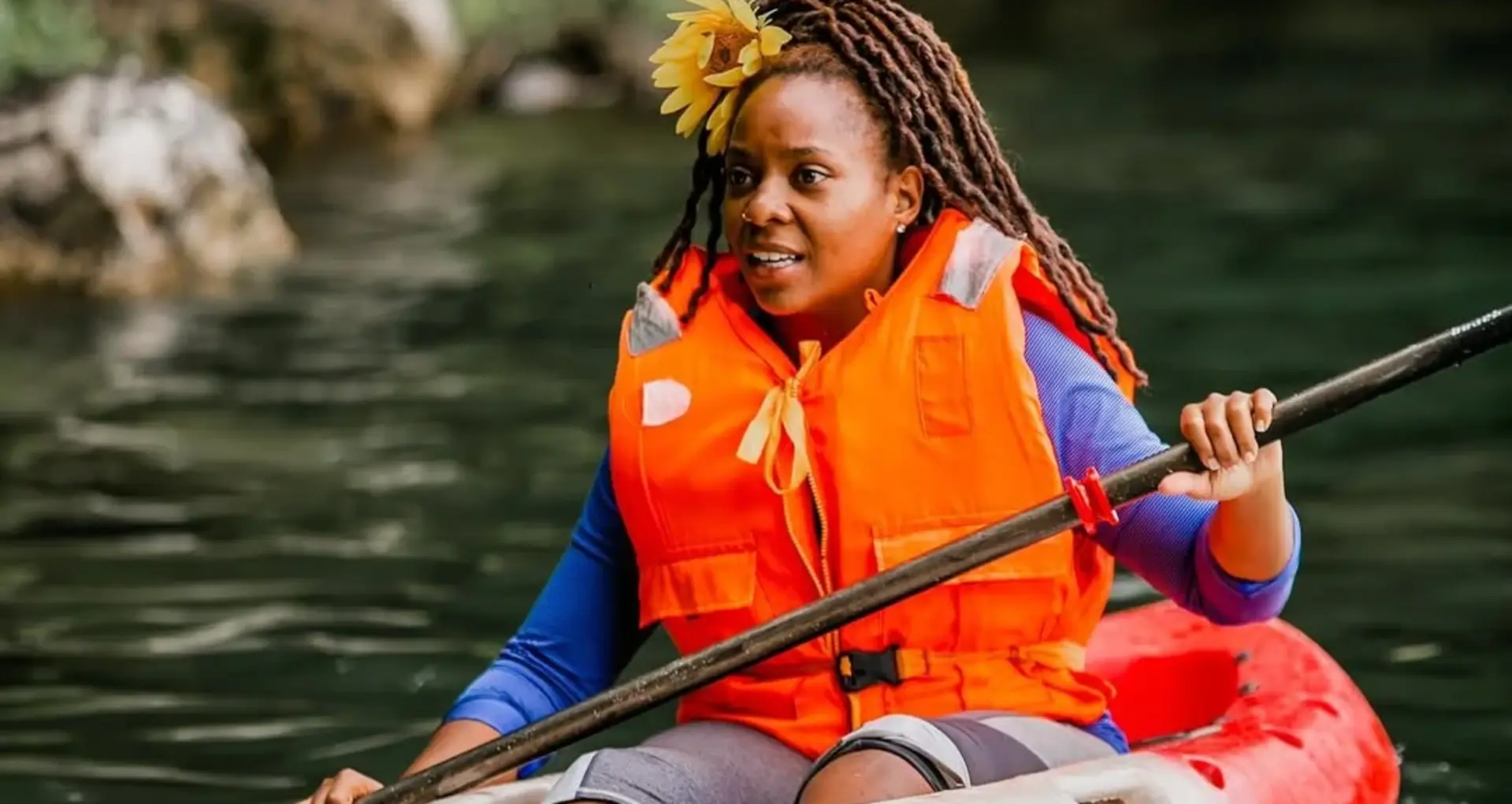
Due to safety concerns, swimming in the lake is discouraged, but kayaking is permitted with a guide. I rented a kayak for 10,000 TSh and spent two peaceful hours exploring the calm waters, birdwatching, and enjoying the stunning scenery.
Guided Nature Walks
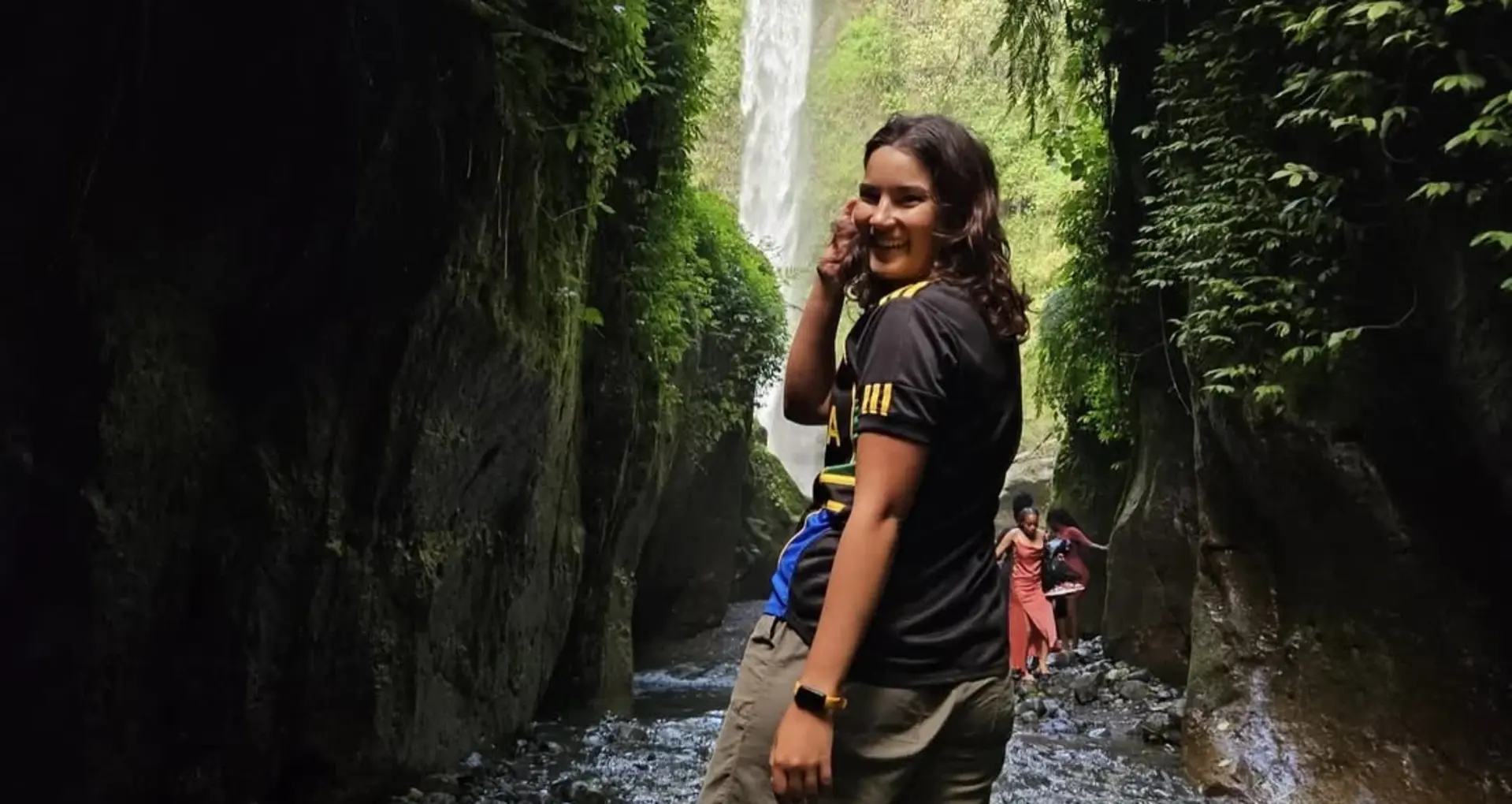
In the afternoon, I took a guided walk with a local expert. We traversed the dry riverbed—once a vital water route for wildlife and migratory animals. The landscape, especially during the rainy season, is surreal: a desert-like environment on another planet.
5. Tips for Visiting Lake Chala
Best Time to Visit: Dry season (June to October) for optimal wildlife viewing and hiking; rainy season (November to May) for lush scenery and fewer visitors.
What to Pack: Sun protection, sturdy shoes, camera, binoculars, insect repellent, and a hat.
Respect Local Regulations: No swimming for safety reasons, and always follow park rules to preserve this pristine environment.
Combine with Other Adventures: Consider a Kilimanjaro climb or a safari in nearby national parks for a complete Tanzanian experience.
6. Final Thoughts: Why Lake Chala Should Be on Your Bucket List
Despite its remote location, Lake Chala offers a spectacular escape from crowded tourist spots. Its untouched beauty, stunning vistas, and tranquil atmosphere make it a perfect retreat for nature lovers and adventure travelers. With improved facilities and easy access from Tanzania’s major hubs, Lake Chala has become a must-visit for those seeking authentic African wilderness experiences.
At Kilisherpas Travel, we believe that hidden gems like Lake Chala are the soul of Tanzania’s diverse landscape. Let us help you craft a personalized journey to this incredible crater lake and ensure your visit is unforgettable.
Conclusion
Lake Chala is a pristine, largely untouched East African treasure, offering unforgettable scenery, wildlife, and adventure. Whether relaxing at Lake Chala Safari Lodge, kayaking on its calm waters, or exploring its surrounding landscapes, this volcanic crater offers a truly unique escape. Contact Kilisherpas Travel today to include Lake Chala in your Tanzanian itinerary and experience Africa’s wilderness at its most pristine.