Understanding Tanzania’s economy gives travellers valuable context for planning a smooth and meaningful trip. As one of East Africa’s fastest-growing economies, Tanzania balances strong sectors like tourism, agriculture, mining, and services while continuing to invest in infrastructure and sustainable development.
For visitors planning safaris in the Serengeti or Ngorongoro, climbing Mount Kilimanjaro or Mount Meru, relaxing in Zanzibar, or exploring Lake Natron, knowing how the economy influences tourism helps you budget wisely, support local communities, and appreciate the bigger picture behind your experience.
This 2026/2027 Tanzania Economy Overview from Kilisherpas Travel highlights key economic trends, their impact on tourism, and practical tips for travellers.
Key Insights into Tanzania’s Economy in 2026/2027
Tanzania has maintained steady economic growth, with GDP expansion averaging around 5–6% in recent years. The economy is diversified across several pillars:
Agriculture: Still the backbone, contributing over 25% of GDP and employing about 65% of the workforce. Major exports include coffee, tea, cashew nuts, and tobacco. This sector directly affects food availability and rural livelihoods.
Tourism: One of the fastest-growing sectors, contributing roughly 17% to GDP when including indirect effects. Wildlife safaris, mountain climbing, cultural tours, and beach holidays in Zanzibar drive significant revenue and job creation.
Mining: Tanzania is a major producer of gold, diamonds, and tanzanite. The sector provides important export earnings and investment opportunities.
Services & Manufacturing: Banking, telecommunications, transport, and agro-processing are expanding, particularly in urban centres like Dar es Salaam, Arusha, and Mwanza.
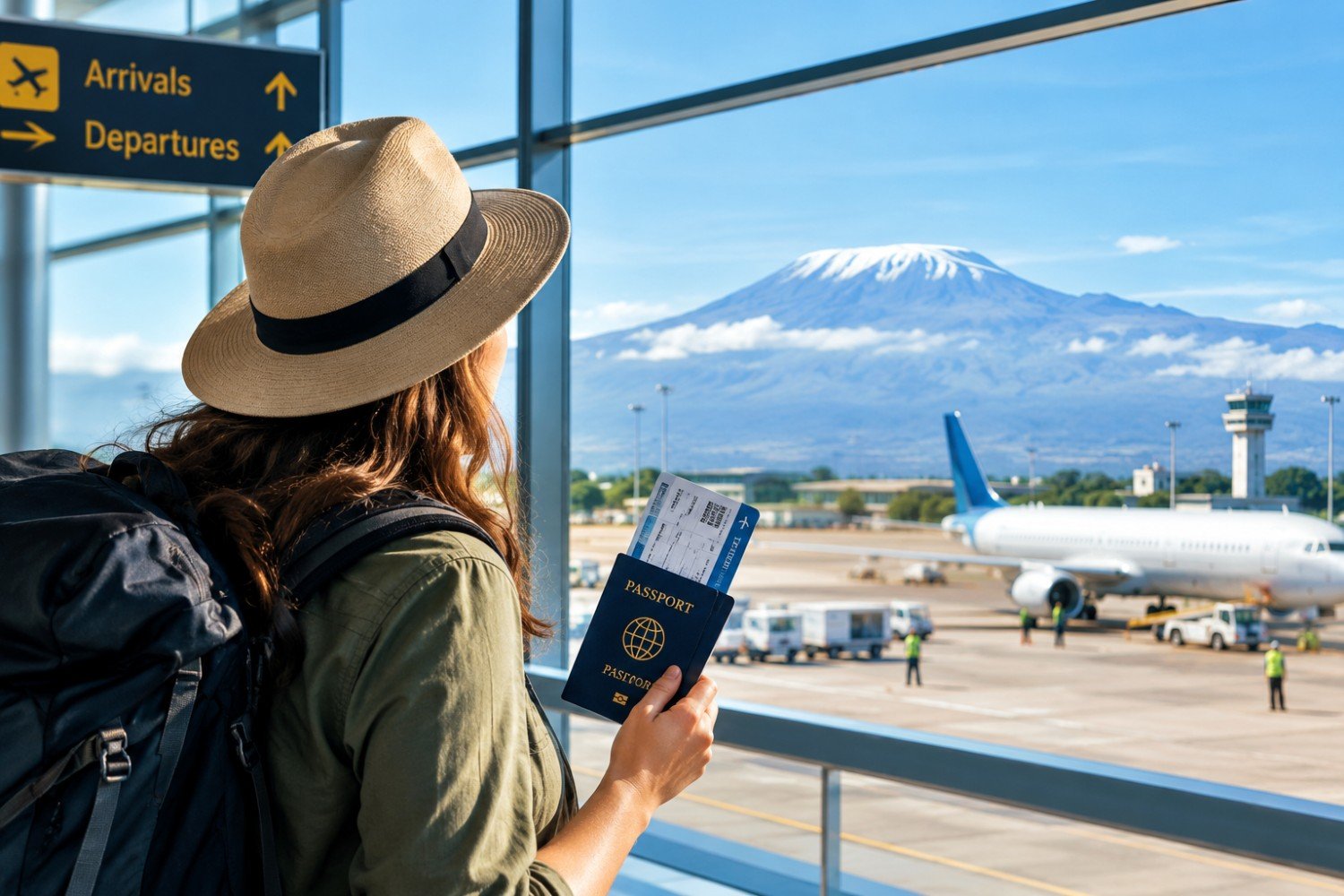
For travellers, this growth translates into better roads, improved airports (including Julius Nyerere International Airport), more reliable mobile networks, and a wider range of accommodation options – from budget camps to luxury lodges.
Currency, Inflation & Practical Money Tips
Currency: Tanzanian Shilling (TZS). US dollars are widely accepted in tourist areas, but carrying some shillings is useful for local markets and small purchases.
Inflation: Generally stable at 3–4%, though food and fuel prices can fluctuate seasonally.
Payment Tips: Use ATMs in major towns (Arusha, Moshi, Dar es Salaam). Credit cards are accepted at most lodges and hotels, but carry cash for remote areas, park fees, and tips.
Traveller Advice: Exchange money at authorised banks or hotels. Avoid street exchanges. A mix of USD cash and local currency works best for safari and cultural experiences.
Tourism’s Role in Tanzania’s Economy
Tourism is a major economic driver, supporting hundreds of thousands of jobs in guiding, hospitality, transport, crafts, and conservation. Revenue from national park fees helps fund anti-poaching efforts, habitat protection, and community projects.
Your visit directly contributes to:
Local employment (guides, drivers, lodge staff, artisans)
Conservation of iconic sites like the Serengeti and Ngorongoro
Support for community-based tourism initiatives
Responsible operators like Kilisherpas Travel ensure that tourism benefits reach local communities while protecting Tanzania’s natural and cultural heritage.
Infrastructure & Accessibility Improvements
Ongoing investments in roads, airports, and digital connectivity make travel smoother:
Upgraded airports and domestic flight networks
Better road links between major safari destinations
Expanded mobile money and banking services
These developments mean easier transfers between Dar es Salaam, Arusha, Moshi, Zanzibar, and safari regions – reducing travel fatigue and improving safety.
Challenges Facing the Economy
Like many developing economies, Tanzania faces hurdles, including:
Vulnerability of agriculture to climate change
Infrastructure gaps in remote rural areas
Need for continued investment in education and skills development
For travellers, these realities highlight the importance of choosing ethical, community-supporting operators.
Practical Tips for Travelers in 2026/2027
Budgeting: Safari packages, park fees, and internal flights form the largest costs. Book early for peak season (June–October) to secure better rates.
Supporting Locals: Eat at local restaurants, buy crafts directly from artisans, and choose operators that work with community projects.
Currency Management: Withdraw shillings in cities; use USD for major tourist services.
Value for Money: Shoulder seasons (November, April–May) often offer excellent wildlife viewing with lower prices and fewer crowds.
Why Understanding the Economy Matters for Your Trip
Knowing how Tanzania’s economy works helps you:
Appreciate the impact of your tourism spending
Make informed choices about operators, lodges, and experiences
Travel more responsibly and meaningfully
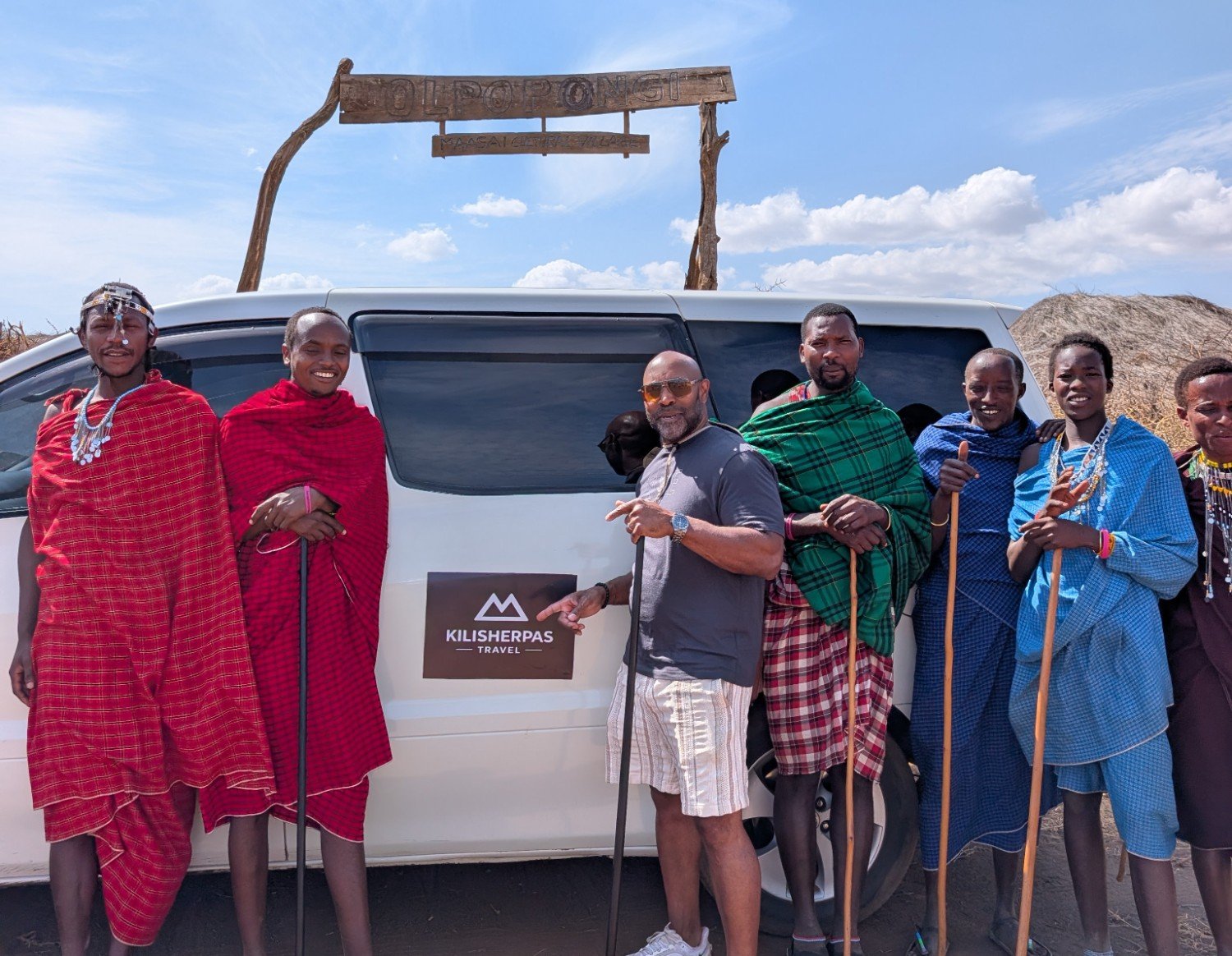
Better understand the daily lives of the people you meet from your safari guide to market vendors and Maasai communities
Plan Your Tanzania Adventure with Kilisherpas Travel
We believe great travel combines unforgettable experiences with positive impact. Our itineraries are designed to support local economies while delivering exceptional safaris, mountain climbs, cultural tours, and beach getaways.
Whether you’re planning a family safari during calving season, a Mount Meru trek, a cultural journey, or a relaxing Zanzibar extension, we provide transparent pricing, expert guidance, and genuine community connections.
Ready to experience Tanzania responsibly in 2026/2027?
Contact Kilisherpas Travel today. Let us help you plan a trip that is not only memorable but also meaningful for the people and places you visit.