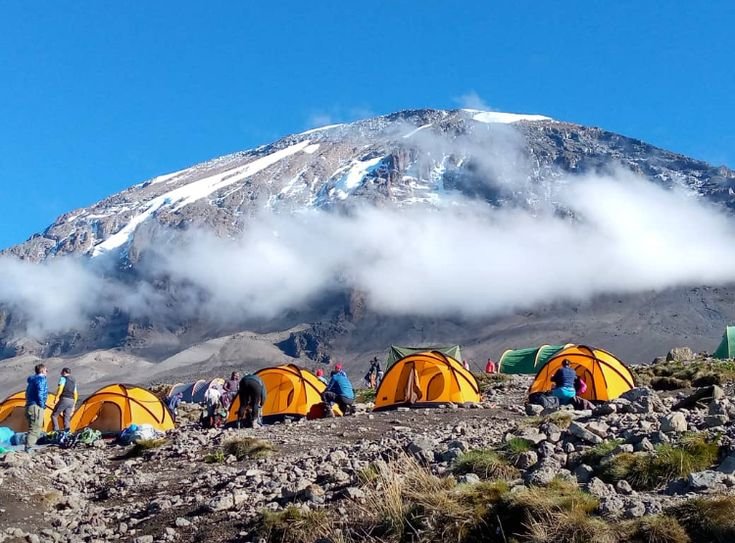
Every year, adventurers from around the world set their sights on conquering Mount Kilimanjaro—the highest free-standing mountain in Africa at 5,895 meters (19,341 feet). A common question among climbers is whether supplemental oxygen is necessary for this formidable ascent. Unlike Everest, Kilimanjaro’s altitude typically doesn’t require continuous oxygen support, thanks to the body’s natural ability to acclimatise, provided the climb is properly planned. At Kilisherpas Travel, we leverage decades of experience and medical expertise to ensure your safety and success, whether or not supplemental oxygen is used. This article explores when and how oxygen is used on Kilimanjaro and how to optimise your chances of summit success.
Understanding Oxygen Levels at Kilimanjaro
The Reality of Altitude and Oxygen
At the summit of Kilimanjaro, each breath contains roughly half the oxygen molecules compared to sea level. It’s a common misconception that the mountain lacks oxygen altogether. In fact, the atmosphere’s composition remains stable at about 21% oxygen, regardless of altitude. What changes is atmospheric pressure: as elevation increases, pressure drops, meaning each breath delivers less oxygen to your lungs.
The Body’s Natural Adaptation
Only about 1.1% of the world’s population, primarily residents of high-altitude regions like Tibet or the Andes, are genetically adapted to thrive in such thin air. Most climbers are not born high-altitude natives. Instead, their bodies must adapt through a process called 'acclimatisation', a series of physiological changes that help manage reduced oxygen availability.
How the Body Adjusts
Increased breathing rate: To absorb more oxygen per breath
Lung reserve activation: More lung tissue is recruited to improve oxygen intake
Enhanced hemoglobin efficiency: Enzymes optimize oxygen extraction from blood
Red blood cell production: The body produces more red blood cells to transport oxygen more effectively
The Role of Supplemental Oxygen on Kilimanjaro
Is Supplemental Oxygen Necessary?
Most climbers do not require continuous use of bottled oxygen during their ascent of Kilimanjaro. Thanks to natural acclimatisation, healthy individuals typically manage the altitude without it. However, supplemental oxygen can be a valuable safety tool in certain situations:
To ease acclimatization symptoms and improve comfort during sleep or rest at high camps
As an emergency measure during evacuation if symptoms of altitude sickness worsen
How Kilisherpas Travel Uses Oxygen
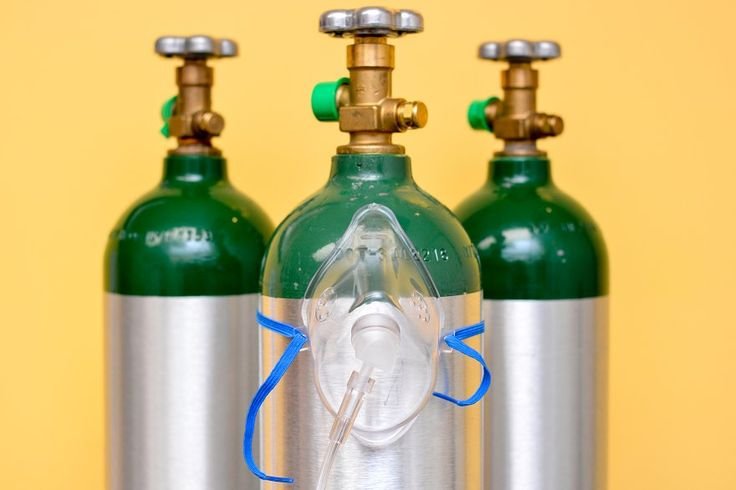
At Kilisherpas Travel, we stock more than 500 oxygen systems – more than any other operator – ensuring we have an ample supply for all our clients. Guides monitor blood oxygen saturation levels (using pulse oximeters) twice daily and use supplemental oxygen when necessary to:
Help the body recover from mild symptoms
Support safe ascent and descent
Stabilize climbers with symptoms of altitude sickness during the trek
When Is Oxygen Used?
To improve comfort and recovery at camps, especially during rest and sleep
During ascent or descent if a climber shows signs of hypoxia (low oxygen levels)
In emergency evacuations to stabilize a climber before evacuation to lower altitude or medical facilities
In some cases, oxygen does not reverse severe symptoms or prevent progression. When symptoms are critical, the decision to evacuate is made swiftly to ensure safety.
Recognizing and Responding to Altitude Sickness
Signs of Normal Acclimatization
Mild symptoms like headache, fatigue, or slight nausea are common and generally resolve with rest, hydration, and a slower pace. These are signs your body is adapting and do not require emergency intervention.
Symptoms Indicating Altitude Sickness
Worsening headache and nausea
Severe shortness of breath even at rest
Confusion or disorientation
Loss of coordination or balance
Severity Levels and Recommended Actions
Severity Level | Symptoms | Detailed Description | Immediate Actions | Additional Recommendations |
|---|---|---|---|---|
Mild | Mild headache, slight nausea, fatigue | Early signs of altitude sickness (Acute Mountain Sickness - AMS). Symptoms are manageable and common during initial ascent. | Rest and avoid further ascent until symptoms improve. Maintain a slow and steady pace. Increase water intake. | Eat light meals, avoid alcohol, and monitor symptoms closely. Inform your guide immediately. |
Moderate | Severe headache, nausea/vomiting, dizziness, trouble sleeping | Symptoms are more intense and may affect physical performance. Indicates worsening altitude sickness that requires attention. | Stop ascending immediately. Use supplemental bottled oxygen if available. Rest and closely monitor condition. | Descend if symptoms persist or worsen. Take prescribed medication (e.g., acetazolamide) if advised. Ensure constant supervision by guides. |
Severe | Confusion, loss of coordination (ataxia), severe breathlessness, inability to walk | Life-threatening condition (possible HACE or HAPE). Immediate danger requiring urgent intervention. | Immediate descent is mandatory. Administer oxygen support. Evacuate as quickly as possible. | Seek emergency medical attention. Do not leave the affected person alone. Rapid response is critical to survival. |
Note: Guides are trained Wilderness First Responders and make decisions about evacuation. Always communicate symptoms promptly.
How to Minimize the Risk of Altitude Sickness
1. Climb Slowly (“Pole Pole”)
The most effective way to prevent altitude sickness is to ascend gradually. Our guides emphasise “pole pole”—Swahili for “slowly, slowly”—to maximise acclimatisation and reduce health risks.
2. Choose Longer Routes
Routes like the 7- or 8-day climbs provide more time to adapt. Shorter routes (5-6 days) are faster and increase the risk of altitude sickness.
3. Incorporate acclimatisation hikes.
Regular hikes to higher elevations followed by sleeping at lower altitudes (“climb high, sleep low”) accelerate acclimatisation and reduce symptoms.
4. Stay Hydrated and Well-Fed
Drink 3-4 liters of water daily to maintain blood volume and oxygen delivery. Eat balanced, carbohydrate-rich meals to provide energy and support acclimatisation.
5. Use Medications Wisely
Diamox (acetazolamide): Helps prevent and reduce altitude sickness symptoms. Consult your doctor before use, especially if pregnant or having medical conditions.
Avoid alcohol and sedatives that can impair acclimatisation and hydration.
Final Thoughts: Safe Ascent with Kilisherpas Travel
Most climbers successfully summit Kilimanjaro without the need for continuous supplemental oxygen, thanks to proper planning, pacing, and acclimatisation. Oxygen is an essential safety tool, not a crutch, and is used judiciously by our experienced guides to support safe ascent and emergency response.
Remember, the key to conquering Kilimanjaro is patience, proper preparation, and listening to your body. If symptoms of altitude sickness appear, prompt descent and medical intervention are critical. With Kilisherpas Travel’s expert team, your safety and success are our top priorities.