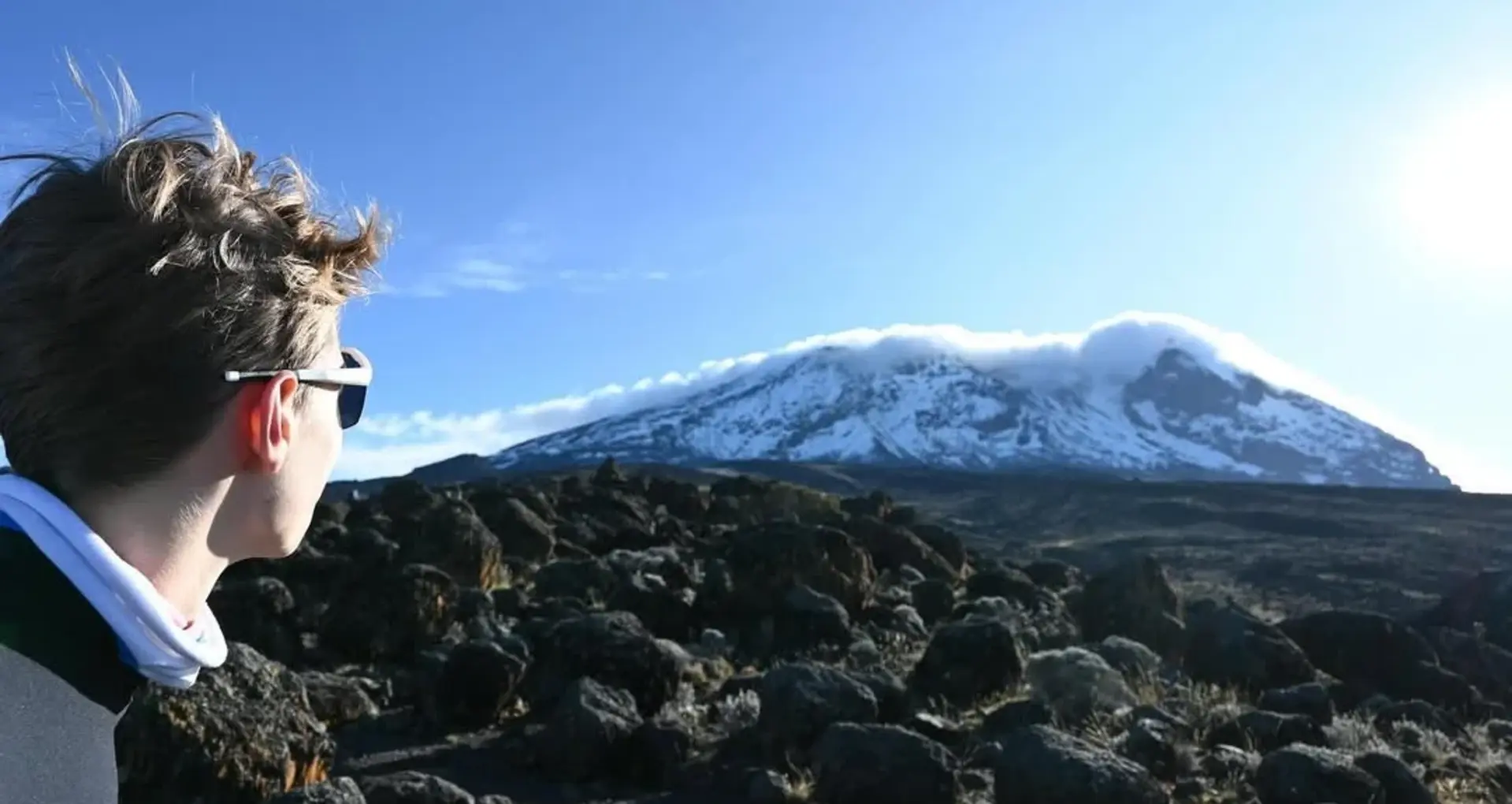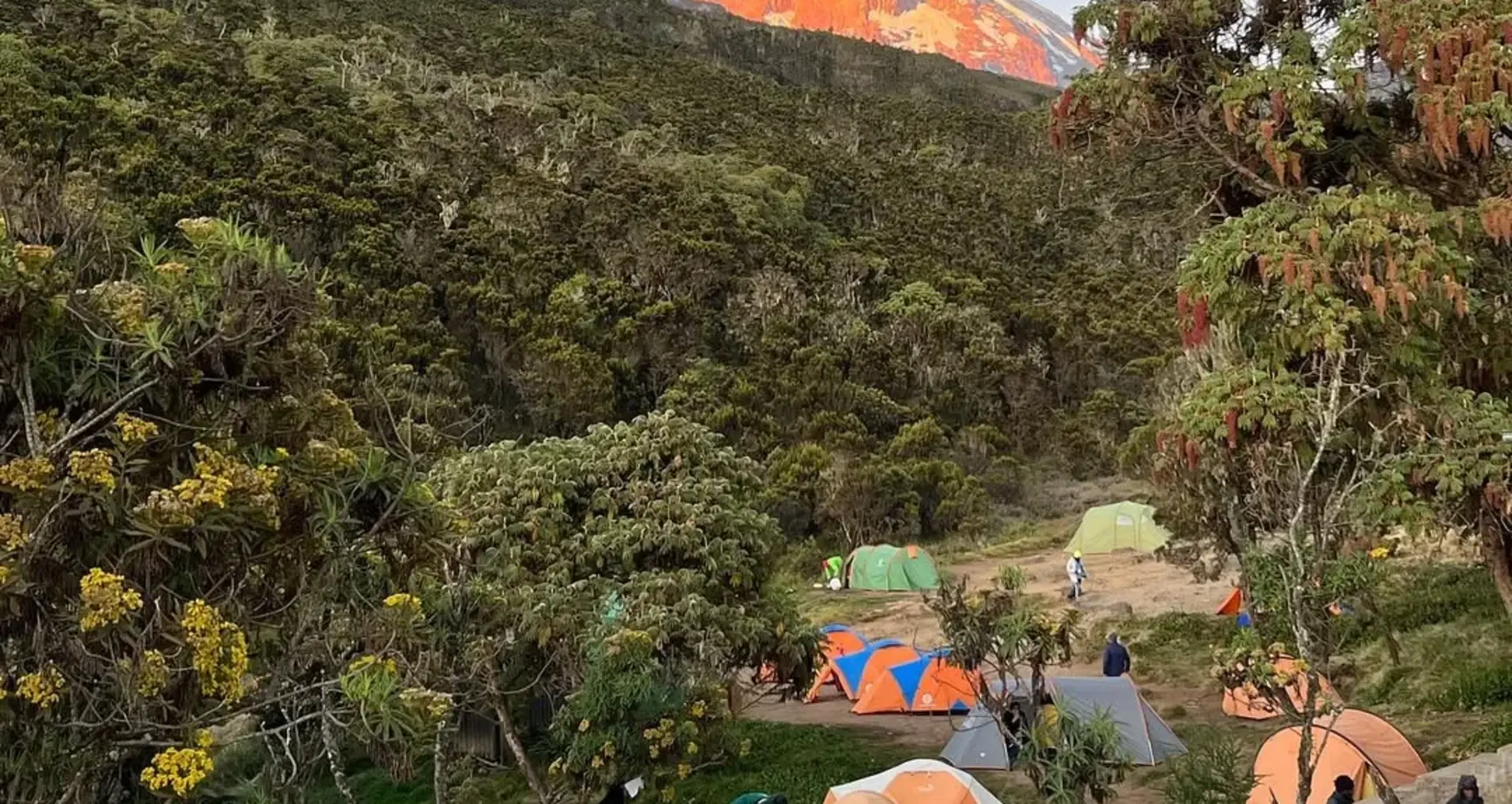
Every year, thousands of adventurers flock to Tanzania with dreams of conquering Mount Kilimanjaro—the highest peak in Africa at 5,895 meters. Yet, despite the allure, many climbers fail to reach the summit. The primary reason? Poor altitude acclimatisation. At Kilisherpas Travel, we understand how critical proper acclimatisation is for a successful, safe ascent. Drawing on nearly a decade of experience and expert knowledge, this guide simplifies the science of altitude adaptation and offers practical tips to help you prepare your body for the challenge ahead.
What Is High-Altitude Acclimatisation?
Understanding the Basics
High-altitude acclimatisation refers to the natural physiological processes your body undergoes to adapt to reduced oxygen levels at high elevations. As you ascend Mount Kilimanjaro, the atmospheric pressure drops, and the air contains about 40% less oxygen at the summit compared to sea level. This reduction impacts vital functions like breathing, circulation, and brain activity.
Why Do Some Climbers Experience Illness?
The higher you go, the less oxygen your body can absorb with each breath. To compensate, your body makes several adjustments:
Increased Breathing Rate: To take in more oxygen, your respiration rate speeds up.
Lung Adaptation: Parts of the lungs usually reserved for reserve are activated.
Haemoglobin Efficiency: Enzymes enhance oxygen extraction from haemoglobin.
Red Blood Cell Production: Your body produces more red blood cells to ferry oxygen more efficiently.
These adaptations are essential to help you function at high altitude, but they take time—especially in the first days of your trek.
Monitoring Your Oxygen Levels
The Role of the Oximeter
During your Kilimanjaro climb, guides will regularly measure your blood oxygen saturation using a pulse oximeter—an easy-to-use device clipped onto your finger. This measurement indicates how well your body is acclimatising.
Understanding Oxygen Saturation Levels
95-99%: Excellent; safe to proceed.
90-94%: Good; monitor symptoms closely.
80-89%: Moderate; acclimatisation is on track, but caution needed. Communicate any discomfort.
Below 80%: Serious concern; requires immediate attention, possibly supplemental oxygen, and rest.
Below 70%: Critical; evacuation is necessary to prevent life-threatening conditions.
Recognizing and Managing Altitude Sickness
Symptoms to Watch For
Altitude sickness symptoms can mimic mild mountain discomfort but require prompt action:
Severe, persistent headache
Sleep disturbances or insomnia
Nausea and vomiting
Dizziness or disorientation
Fatigue or weakness
Note: Symptoms can escalate rapidly into more severe conditions like pulmonary oedema or cerebral oedema.
When to Act
If oxygen saturation drops below 90%, or if you experience symptoms like the ones above, inform your guide immediately. Our team is trained to administer oxygen, provide medication, and facilitate safe descent if necessary.
Common High-Altitude Illnesses and Their Signs
Pulmonary Edema (HAPE)
Fluid accumulates in the lungs, impairing oxygen exchange. Symptoms include:
Difficulty walking or breathing
Persistent cough, often with frothy sputum
Cyanosis (bluish lips and fingertips)
Rapid heartbeat and breathlessness
Cerebral Edema (HACE)
Brain swelling caused by fluid buildup manifests as:
Severe headache and vomiting
Confusion or loss of coordination
Drowsiness or hallucinations
Loss of consciousness in advanced stages
Prevention and Immediate Response
Our guides are trained to recognise early signs. If symptoms appear, they will administer oxygen and medications and evacuate the climber to a medical facility—often KCMC Hospital in Moshi, one of Southeast Africa’s leading medical centres.
How Kilisherpas Travel Ensures Safe Acclimatization
Customized Routes and Scheduling
Our seven- and eight-day routes are designed to maximise acclimatisation time, giving your body the best chance to adapt gradually. For experienced climbers, we offer shorter routes, but even then, we emphasise slow, steady progress.
Hydration and Nutrition
Proper hydration (3-4 liters of water daily) is vital for acclimatisation. Our mountain chefs prepare nutritious, calorie-rich meals to support energy expenditure and recovery. Drinking small amounts frequently prevents dehydration and aids acclimatisation.
Climb High, Sleep Low
This mountaineering principle involves ascending to higher elevations during the day and sleeping at lower altitudes. Our guides carefully plan additional acclimatisation hikes to higher points, then return to lower camps to help your body adjust faster.
Pace and Rest
"Pole-pole" (Swahili for "slowly") is our guiding mantra. Moving at a steady, deliberate pace reduces stress on your body and promotes better acclimatisation. Our guides will regulate your pace and encourage regular breaks.
Final Tips for a Successful Climb
Choose longer routes: 7-8 days are ideal for proper acclimatisation.
Stay hydrated: drink at least 3-4 liters daily, with small sips often.
Eat well: Consume balanced, high-energy meals to support your adaptation.
Trust your guides: follow their instructions and communicate openly about how you feel.
Be patient: respect your body’s signals; don’t push if symptoms worsen.
Conclusion: Prepare, Listen, and Conquer
Proper acclimatisation is the key to a successful Kilimanjaro summit. Our experienced guides, carefully planned routes, and proactive health monitoring ensure you’re in the safest hands. Remember, taking your time, staying hydrated, and listening to your body are your best tools for reaching Uhuru Peak. If you have any concerns or questions about altitude sickness or your journey, contact Kilisherpas Travel—we’re here to support your adventure from start to summit.