Embarking on a Kilimanjaro expedition is an incredible adventure that pushes your limits amid breathtaking scenery and challenging conditions. While the focus is often on reaching the summit, maintaining hygiene throughout the journey is equally essential for your health, comfort, and safety. At Kilisherpas Travel, we understand that hygiene on Kilimanjaro requires careful planning and the right mindset. In this comprehensive guide, we cover everything you need to know—from campsite sanitation and water safety to personal grooming and waste management—so you can trek confidently and responsibly.
Sanitary Conditions in Campsites and Kitchens
Mountain Kitchen Hygiene
Our professional mountain chefs at Kilisherpas Travel: prepare all meals with strict hygiene standards. Each chef wears disposable gloves and maintains a clean workspace, adhering to food safety guidelines despite the challenging outdoor environment. Ingredients are washed with mountain spring water, and all kitchenware is thoroughly cleaned before and after cooking. Our menu offers diverse, delicious options, and reviews on TripAdvisor highlight the quality of our cuisine.
Drinking Water Safety
We provide unlimited, clean drinking water sourced from mountain streams, which we treat through boiling and filtration. Our independent lab tests confirm the safety and quality of water from Kilimanjaro’s streams, with coliform bacteria levels kept well within safe limits after boiling. We recommend that all climbers boil water before drinking, a standard practice embraced by all reputable operators.
Water and Personal Hygiene
Drinking and Washing Water
Throughout the expedition, water is replenished regularly at each camp. We supply heated water for face washing and teeth brushing—an essential refreshment after a day of trekking. While showers are unavailable on most routes, we offer portable shower options at select camps for an additional fee, carried by our dedicated porters.
Personal Hygiene in the Mountains
Maintaining personal hygiene is vital for your health and comfort. Portable sinks with hot water are available at every camp for face and hand washing and teeth cleaning. For bathing, wet wipes and disposable towels are your best friends—they are lightweight, effective, and eco-friendly if disposed of responsibly.
Shower Options and Tips
At camps along the Marangu route, you can rent portable showers, which use river water heated with gas. These are rarely luxurious due to low water pressure and outdoor conditions, so many climbers prefer wet wipes or quick-drying body wipes. Remember to bring biodegradable wipes to minimise environmental impact.
Toilets on Kilimanjaro
Campsite and Trail Toilets
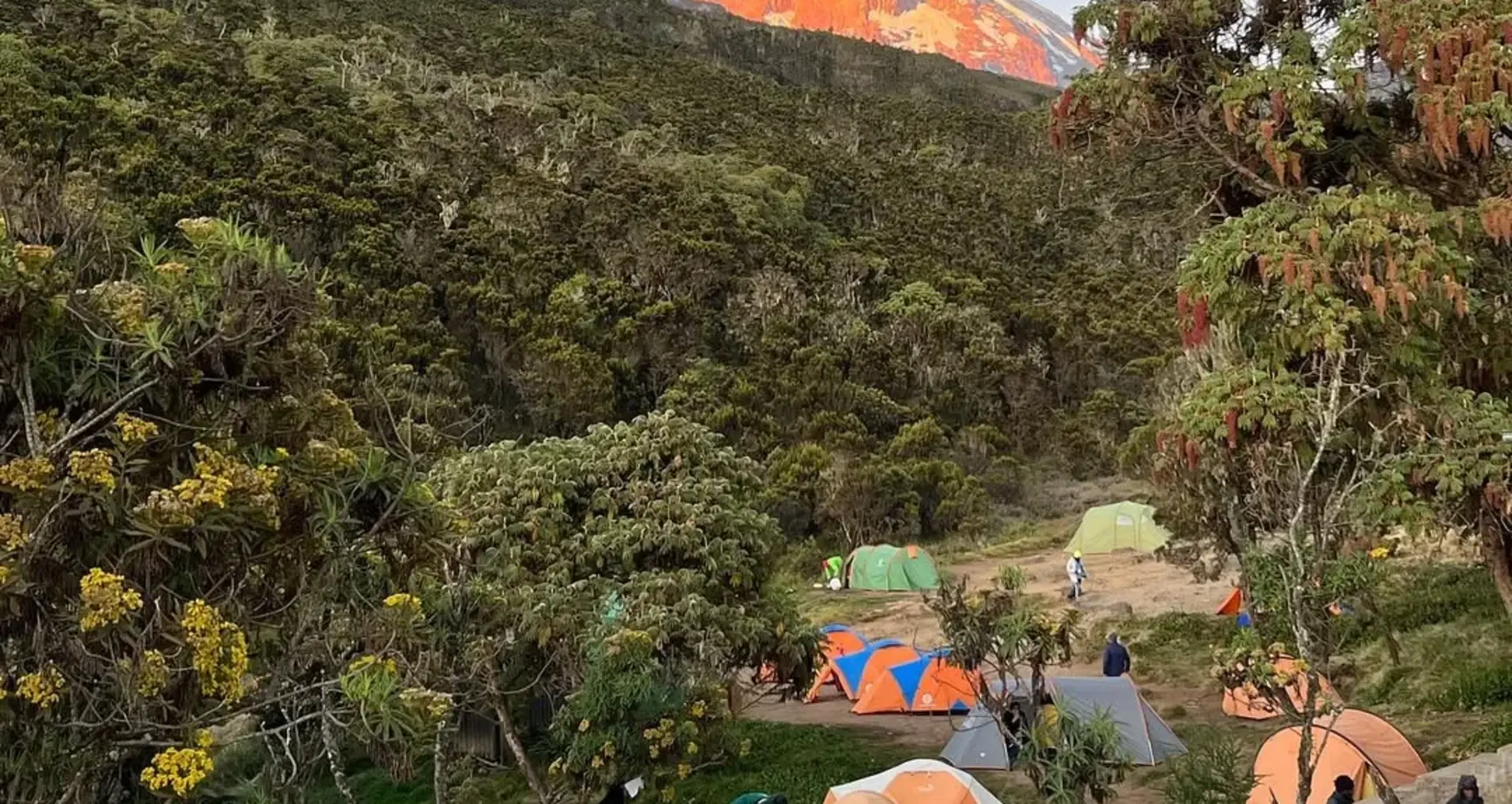
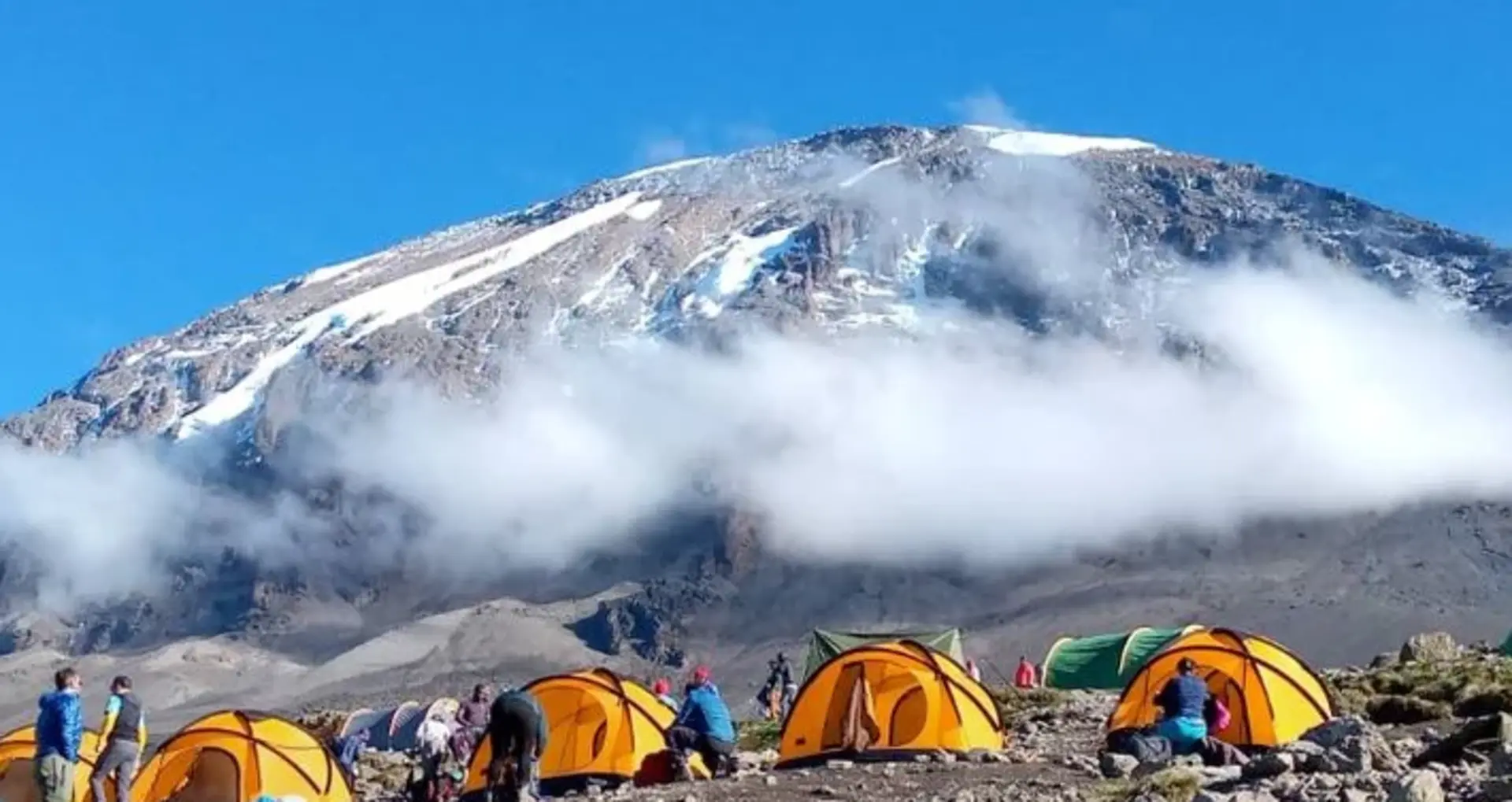
All campsites are equipped with public toilets maintained by the park authorities. The quality varies, especially at higher altitudes, where facilities tend to be less maintained due to increased usage and weather conditions. Expect queues during peak times and in high season.
Portable Toilets
We recommend bringing your own portable toilet for increased comfort and hygiene. Our bio-toilets are easy to use, environmentally friendly, and can be shared among 1–3 users to optimise hygiene and cost. These toilets are serviced regularly by our porters, who ensure cleanliness and sanitation standards are upheld.
Managing Bathroom Needs During the Trek
During long hikes between camps, you’ll need to find private spots in nature. Carrying toilet paper, wet wipes, and sanitary bags is essential. For nighttime bathroom visits, portable urination bottles are highly recommended, especially given the cold temperatures and darkness.
Essential Hygiene Items to Pack
Prepare a hygiene kit tailored for high-altitude trekking, including:
Wet wipes (biodegradable)
Hand sanitizer
Toothbrush and toothpaste
Deodorant
Sanitary pads or tampons (if needed)
Lip balm (to prevent chapped lips)
Dry shampoo (for easy hair refreshment)
Nail scissors and clippers
Extra underwear and socks (daily change plus extras)
Portable urination bottles (optional for night use)
Note: Some personal hygiene products like dry shampoo or electrolytes are not available in Tanzania, so bring what you need from home.
Waste Management and Environmental Responsibility
Trash and Waste Disposal
As part of our commitment to responsible tourism, we ensure all waste is carried out of the park. Use designated garbage bags provided by guides to dispose of trash, including hygiene products, wrappers, and packaging. We sponsor regular trail cleanups to keep Kilimanjaro pristine.
Leave No Trace Principle
Respect for nature is fundamental. Leave nothing behind except footprints. Proper waste disposal and minimal impact are key to preserving Kilimanjaro’s beauty for future generations.
Final Tips for a Hygienic Trekking Experience
Prepare your hygiene kit well in advance.
Stay hydrated and use the water provided for washing and drinking.
Use biodegradable products whenever possible.
Practice good hand hygiene to prevent illness.
Respect local regulations regarding waste disposal.
Remember: Minor inconveniences such as limited showers and shared tents are part of the adventure. Proper planning and a positive attitude will help you enjoy every moment of your Kilimanjaro journey.
Conclusion:
Maintaining hygiene on Kilimanjaro is achievable with the right preparation and mindset. At Kilisherpas Travel, we prioritise your health, safety, and environmental responsibility, ensuring your expedition is both enjoyable and sustainable. Prepare thoroughly, pack wisely, and embrace the challenge—Kilimanjaro awaits!