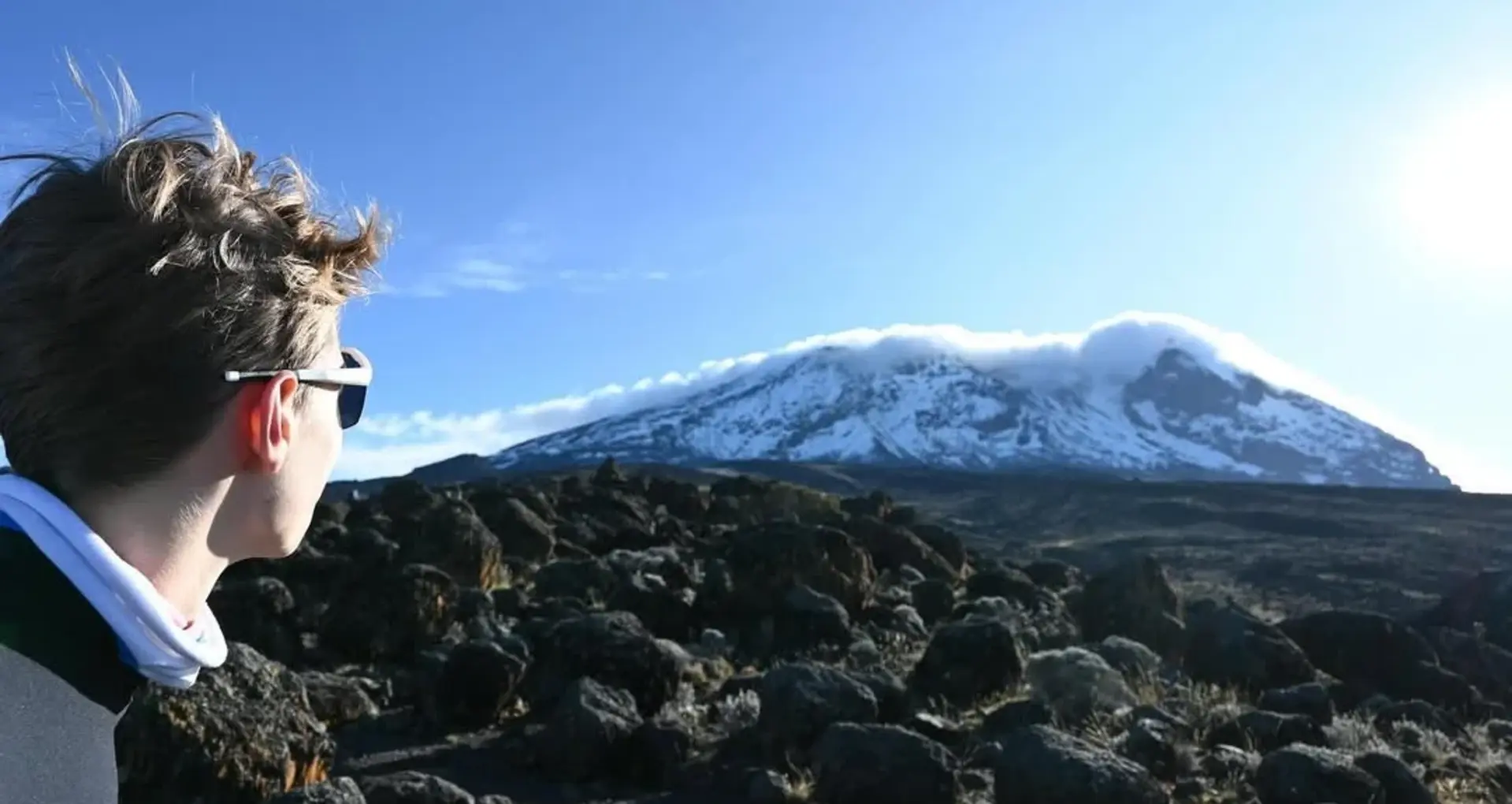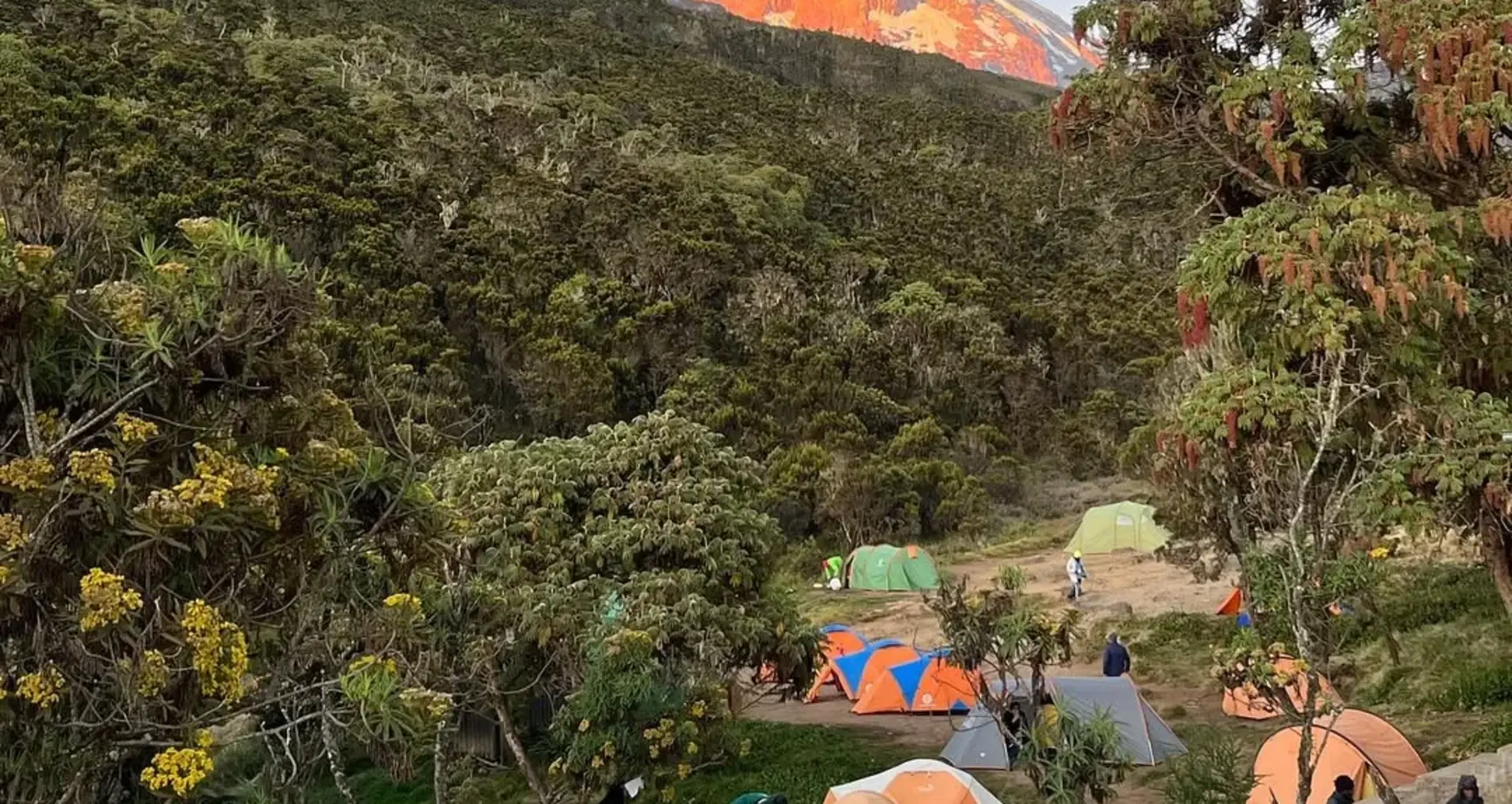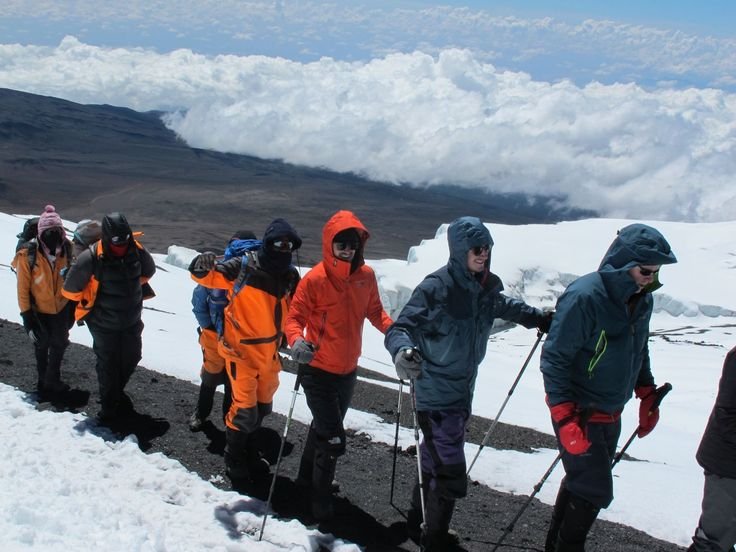
Climbing Mount Kilimanjaro is an exhilarating adventure that attracts thousands of travellers each year. While it’s often considered one of the safest high-altitude treks, many prospective climbers wonder about the real risks involved. Is Kilimanjaro dangerous? How many people lose their lives on this iconic mountain? And what safety measures does Kilisherpas Travel implement to ensure a secure and memorable ascent? In this comprehensive guide, we explore the safety realities of climbing Kilimanjaro, dispel common misconceptions, and share expert tips on how to minimise risks during your journey to the “Roof of Africa".
The Reality of Climbing Kilimanjaro: Is It Dangerous?
A surprisingly safe adventure for most:
Compared to other major mountaineering destinations like Mont Blanc, the Matterhorn, or Mount Elbrus, Kilimanjaro stands out as one of the safest options for beginners. Its non-technical nature—no specialised climbing skills or equipment required—makes it accessible to most healthy individuals.
Why Kilimanjaro is considered safe
Ease of ascent: As part of the Seven Summits, Kilimanjaro is the highest peak in Africa and is renowned for being one of the easiest to climb among the highest mountains of each continent.
Popularity: With nearly 60,000 climbers annually, it boasts a well-established infrastructure and experienced guiding services.
Low fatality rate: The death rate on Kilimanjaro is approximately 0.02%, equating to about 3 to 10 fatalities per year—significantly lower than many other high-altitude peaks.
Important note:
While Kilimanjaro is safer than many other mountains, it is still a high-altitude trek that requires proper preparation, awareness, and respect for the mountain’s challenges.
Kilisherpas Travel: Leading the Way in Mountain Safety
A proven safety record
At Kilisherpas Travel, safety is our top priority. With over a decade of experience, we have successfully organised thousands of climbs—without a single fatality or serious injury. Our meticulous safety protocols, experienced guides, and well-equipped teams set us apart.
What our climbers say
“The best experience of my life — thanks to Kilisherpas. The guides were outstanding, the food was incredible, and safety was always our priority. I felt confident every step of the way!” — Olivia H, TripAdvisor
Why choose Kilisherpas Travel?
Over 7 years of local expertise in Tanzania
Comprehensive safety protocols and certified guides
Well-trained porters and medical support
Top-tier equipment, including ample oxygen supplies and emergency gear
Common Causes of Fatalities and Risks on Kilimanjaro
Understanding the main dangers
Most fatalities on Kilimanjaro are linked to severe altitude sickness, such as:
High-altitude pulmonary edema (HAPE): Fluid accumulation in the lungs
High-altitude cerebral edema (HACE): Swelling of the brain
Combination of HAPE and HACE: Often fatal if untreated
Statistics reveal:
The overall death rate is 0.02%.
Fatalities mostly occur in extreme cases of altitude sickness, often due to inadequate acclimatisation or poor safety measures.
Porters face slightly higher risks—roughly twice the fatalities of climbers—mainly due to their exposure and physical demands.
Key insight:
The majority of incidents are preventable with proper planning, experienced guides, and adherence to safety protocols.
Why Do Other Operators See Higher Fatalities?
acclimatise.
Many accidents happen with smaller or unprofessional tour operators that lack experience, proper safety protocols, or emergency equipment. Factors contributing to higher risks include:
Insufficient understanding of altitude logistics
Lack of proper guide training
Limited medical supplies and rescue equipment
Poor planning and short itineraries that don’t allow adequate acclimatization
Choosing the right operator matters
Always book with a reputable, experienced company like Kilisherpas Travel. Our team is professionally trained, certified, and equipped with advanced safety gear—including oxygen tanks and satellite phones—ready to respond to any emergency swiftly.
How Kilisherpas Travel Ensures Maximum Safety
Our safety strategies include:
Longer itineraries: We recommend at least 6–8 days for a safer, more gradual ascent.
Rigorous medical checks: Daily health assessments, including oxygen saturation monitoring.
Experienced guides: All guides are certified Wilderness First Responders with ongoing training.
Adequate oxygen supply: We carry large tanks with conservative flow regulators, providing up to 16 hours of oxygen per tank—far exceeding industry standards.
Emergency preparedness: We have reliable communication tools, including GPS and satellite phones, to coordinate rescue efforts if necessary.
Avoid shortcuts
Many operators carry minimal oxygen, limited medical supplies, or lack trained personnel. These shortcuts increase risk significantly. Trust in companies with proven safety records—like Kilisherpas Travel—to prioritise your well-being.
Practical Tips to Minimize Risks on Kilimanjaro
Opt for longer treks: 7-8 day routes allow your body more time to acclimate.
Follow expert advice: Pace yourself, stay well-hydrated, and heed your guides’ instructions.
Use preventive medication: Consult your doctor about medications like Diamox to support acclimatisation.
Recognise early symptoms: Headaches, nausea, dizziness, or fatigue should never be ignored.
Choose experienced operators: Always verify safety protocols, medical preparedness, and equipment.
Final Thoughts: Climbing Kilimanjaro — Safe When Properly Managed
While no adventure is entirely without risk, Kilimanjaro’s dangers are manageable with the right preparation, experienced guides, and proper planning. At Kilisherpas Travel, we are committed to providing a safe, well-organised, and unforgettable experience—helping you reach the summit safely and confidently.
Join one of our expertly guided expeditions today and discover why Kilimanjaro remains one of the world’s safest and most rewarding high-altitude climbs.
Conclusion:
Climbing Kilimanjaro is a safe and rewarding adventure when approached responsibly. With the right operator, thorough preparation, and respect for the mountain’s challenges, you can enjoy a safe ascent to the “Roof of Africa". Trust Kilisherpas Travel—your partner in safe, unforgettable mountain adventures.
Call to Action:
Ready to conquer Kilimanjaro? Contact Kilisherpas Travel now and secure your place on a safe, expertly guided expedition!