Tanzania’s approach to climate change is operational, not theoretical—anchored in conservation, tourism management, and community-based adaptation. Around Mount Kilimanjaro, these interventions are visible and measurable.
On the Lemosho Route, reforestation programmes are actively restoring degraded forest zones. Indigenous species such as Podocarpus and Juniperus are planted to stabilise soils, reduce erosion, and improve watershed performance. This directly supports biodiversity recovery while protecting one of Tanzania’s most valuable natural assets.
At the community level, climate adaptation is driven through agriculture. Farmers are integrating crops like coffee, bananas, and avocados within agroforestry systems—combining tree cover with food production. This model improves soil health, enhances carbon absorption, and diversifies income streams, creating resilience against climate variability while aligning with tourism supply chains.
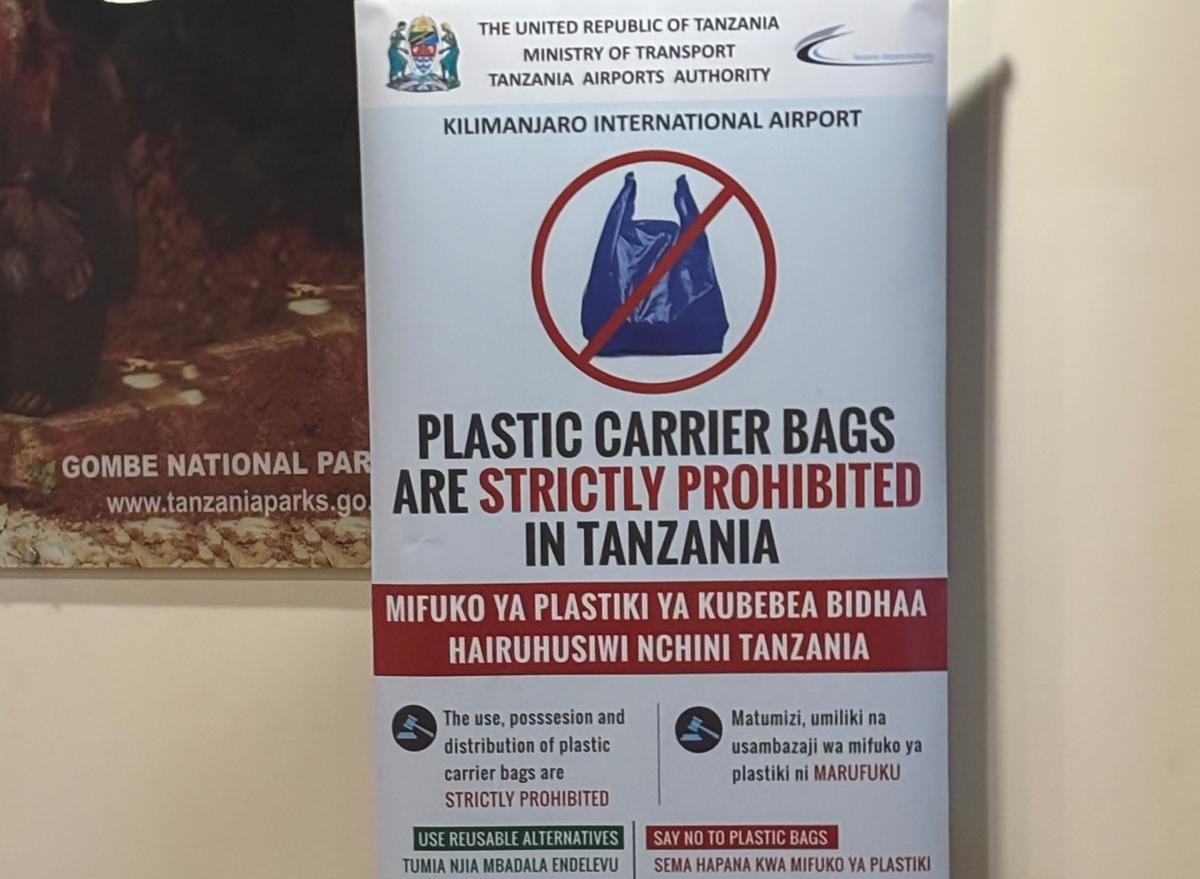
From a policy perspective, Tanzania has enforced a nationwide ban on plastic bags, with strict implementation at international airports. Travellers encounter this immediately upon arrival, reinforcing compliance and significantly reducing plastic waste across both urban centres and protected areas.
On Kilimanjaro itself, a strict “trash in, trash out” protocol governs all expeditions. Tour operators and climbing teams are accountable for waste removal, ensuring minimal environmental impact despite increasing trekking volumes. This system has positioned Kilimanjaro as a leading example of controlled, sustainable mountain tourism in Africa.
These combined efforts—reforestation, sustainable agriculture, regulatory enforcement, and responsible tourism—demonstrate a coordinated climate response model. For travellers, it ensures a cleaner environment; for the country, it strengthens long-term ecological and economic resilience.