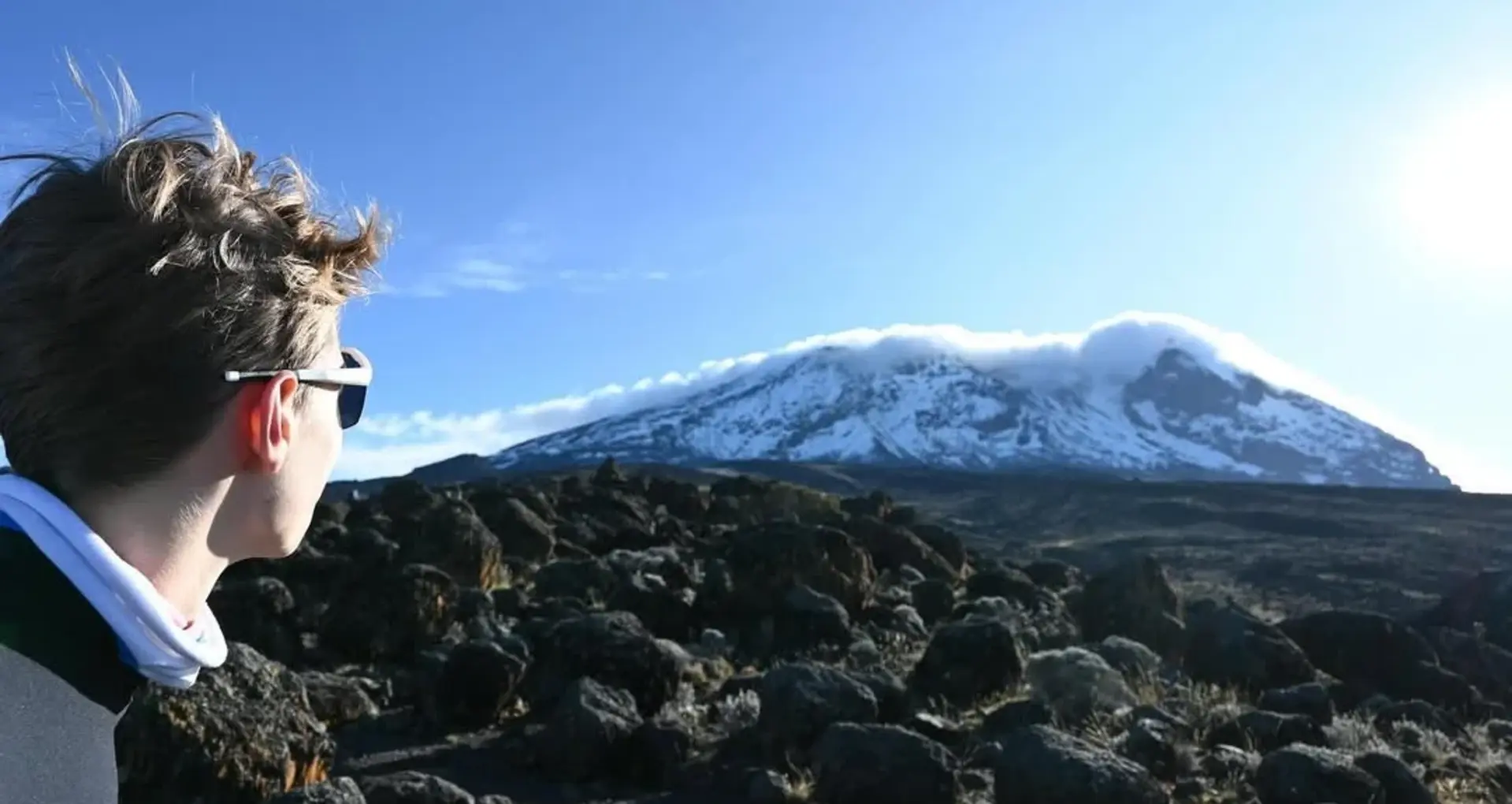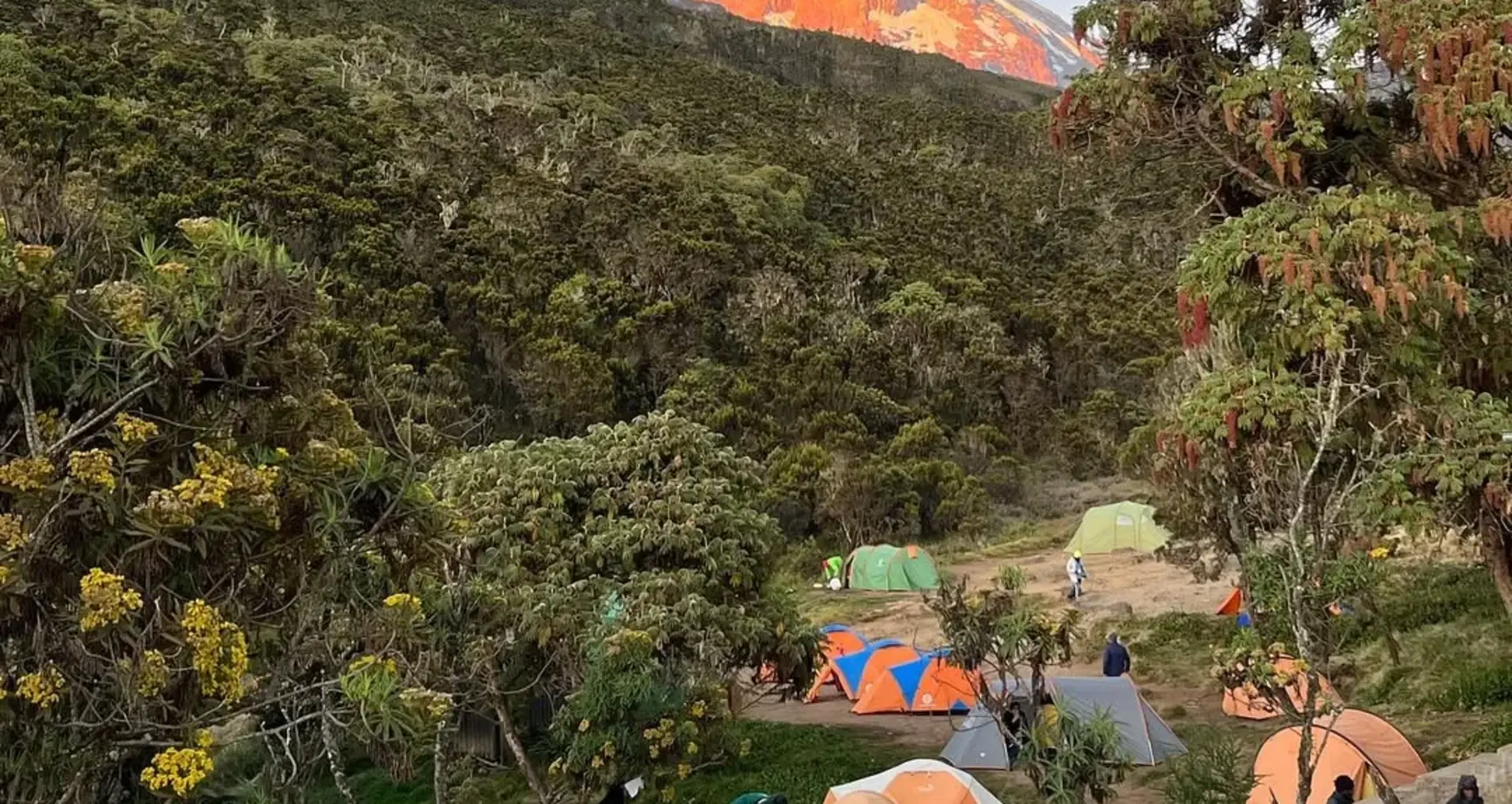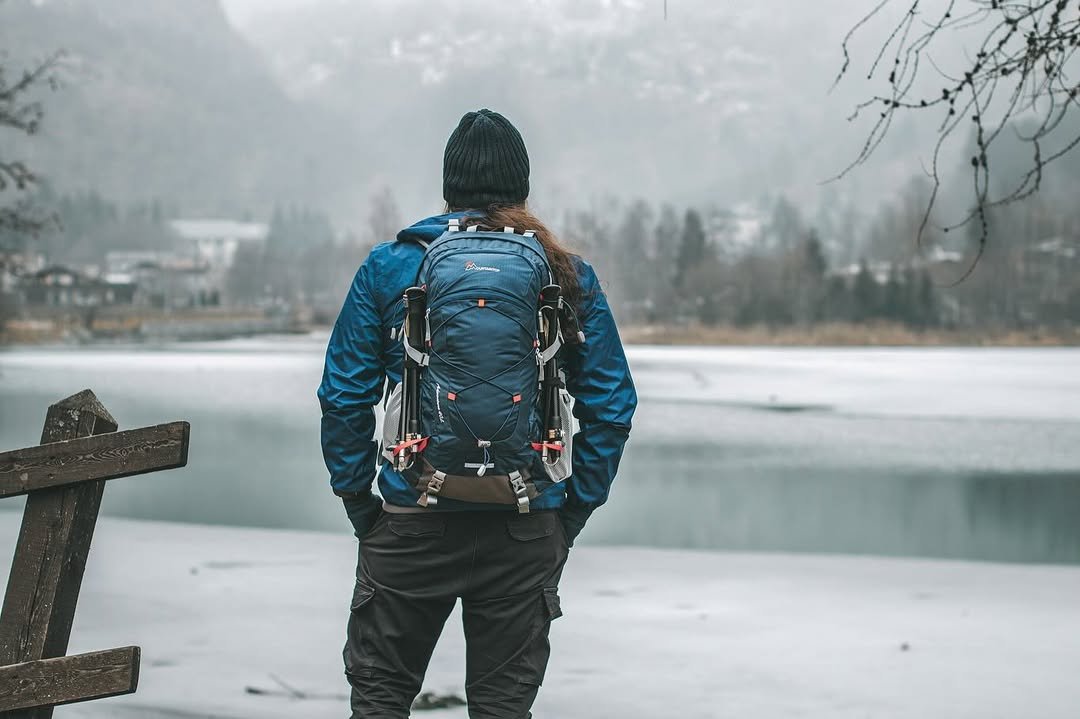
Embarking on a Kilimanjaro expedition demands meticulous preparation, and selecting the right backpack is a cornerstone of your success. Your backpack carries everything you need for a safe, comfortable, and enjoyable climb through Africa’s highest peak’s diverse climate zones, from humid tropical forests to icy glaciers at the summit. At Kilisherpas Travel, with extensive experience guiding climbers since 2021, we understand that the ideal backpack balances capacity, durability, comfort, and weather resistance. This guide provides expert advice on choosing the best Kilimanjaro backpack and highlights top models suitable for different budgets and preferences.
Do You Need a Backpack for Kilimanjaro?
Yes, you do.
While porters will carry your main duffel bag and camp gear, a high-quality daypack is essential for carrying your personal items during the trek. This includes water, snacks, extra layers, sunscreen, a camera, and other essentials. Your daypack must be lightweight, ergonomic, and weather-resistant to minimise fatigue and keep your belongings safe from rain and dust.
Remember:
You’ll only carry a small, well-organised daypack during the climb.
Your main gear will be transported by porters, allowing you to focus on the trek and summit day.
What Size Backpack Is Ideal for Kilimanjaro?
The recommended capacity for a Kilimanjaro daypack is 30 to 40 liters (1,800 to 2,400 cubic inches). This size provides ample space for essentials without becoming cumbersome or overloading your shoulders.
Key features to look for:
Water-resistant materials like nylon or polyester for unpredictable mountain weather.
Rain cover to protect your gear in sudden downpours.
Ergonomic design: hip belts, ventilated back panels, and accessible pockets.
Essential Features to Consider When Choosing Your Kilimanjaro Backpack
Supportive hip belt: Distributes weight evenly and reduces shoulder strain.
Ventilated back panel: Keeps your back cool and reduces sweat buildup.
Multiple compartments: Easy access to water bottles, snacks, and personal items.
Gear attachment points: Loops for trekking poles, ice axes (if needed), or other gear.
Durability and weather resistance: Robust fabric and waterproof features for mountain conditions.
Top Recommended Kilimanjaro Backpacks for 2026
1. RedFox Alpine 30
Capacity: 30 liters
Price: $89
Highlights: Lightweight Robic fabric resistant to abrasion and punctures, innovative aluminium frame supports, ventilation channel, gear attachment points for trekking poles.
Why Choose: Perfect for lightweight trekkers seeking a balance between support and mobility, with a sturdy frame that fits comfortably.
2. Teton Numa
Capacity: 30-45 liters
Price: $90
Highlights: Multiple sizes, rain cover included, ventilation system, ergonomic straps, water bottle holders, and lifetime warranty.
Why Choose: Built for challenging conditions, versatile size options, and durable construction suitable for multi-day hikes.
3. Quechua MH 500
Capacity: 40 liters
Price: $109
Highlights: Waterproof polyester with polyurethane coating, padded shoulder straps, hip belt, ventilated mesh panel, and nine pockets.
Why Choose: Ideal for regular hikes and unpredictable weather, with a focus on waterproofing and comfort.
4. Osprey Talon 36
Capacity: 34 liters
Price: $150
Highlights: Moulded back panel, secure fit, hydration bladder compatibility, trekking pole attachments, recycled nylon fabric.
Why Choose: Lightweight, versatile, and designed for comfort on multi-day climbs.
5. The North Face Summit Series Phantom 38
Capacity: 38 liters
Price: $179
Highlights: Foam back panel with lightweight Teksever fabric, gear attachment points, and semi-transparent material for quick gear identification.
Why Choose: Designed for serious trekkers and mountaineers, with rugged durability and multiple gear attachments.
6. Gregory Stout, 35
Capacity: 35 liters
Price: $180
Highlights: Aluminium alloy frame, adjustable VersaFit back panel, breathable straps, built-in rain cover, sleeping bag compartment.
Why Choose: Suitable for both men and women, with a customisable fit and excellent load management.
7. Arc'teryx Aerios 35
Capacity: 35 liters
Price: $250
Highlights: Ultra-light, abrasion-resistant fabric; flip-top lid; adjustable two-point hip belt; pockets for soft flasks and smartphones.
Why Choose: Perfect for trekkers seeking a lightweight, highly packable pack with premium features.
8. Black Diamond Beta Light 30
Capacity: 30 liters
Price: $370
Highlights: Waterproof Ultra 200 fabric, detachable frame lining and hip belt, spacious side pockets, and hydration system compatible.
Why Choose: Designed for fast-paced, long-distance trekking, with durability and weight-saving features.
Should You Rent or Buy Your Kilimanjaro Backpack?
Given the investment – ranging from $89 to over $370 – buying a quality backpack can be significant. However, if you prefer flexibility or only plan to climb Kilimanjaro once, renting is a smart alternative. At Kilisherpas Travel, we offer top-brand backpacks for rent at just $45 per expedition. Our gear is thoroughly sanitised, authentic, and available in various sizes to ensure you find the perfect fit.
Practical Tips for Choosing and Preparing Your Backpack
Try it on with your gear: Wear the backpack for several hours during practice hikes to ensure comfort and fit.
Adjust straps properly: Ensure your hip belt and shoulder straps are snug but not tight.
Pack smart: Use compartments and gear attachment points to distribute weight evenly and access essentials quickly.
Weather readiness: Always carry a rain cover and pack waterproof gear to stay dry in sudden mountain weather changes.
Final Thoughts
Your Kilimanjaro success starts with the right backpack. Prioritise support, durability, and weather resistance to keep your trek comfortable and safe. Whether you choose a premium model or rent gear from Kilisherpas Travel, the right pack will help you focus on the adventure and reach the summit with confidence.
Are you ready to gear up for Kilimanjaro? Contact Kilisherpas Travel today to explore our rental options and personalised climbing packages, tailored to make your journey unforgettable.