Climbing Mount Kilimanjaro is a bucket-list adventure that attracts thousands of travellers each year. But when it comes to choosing your guides, the options can be confusing: should you hire independent local guides who live near the mountain or opt for the services of large, reputable tour operators? Each approach has its benefits and drawbacks, especially concerning safety, community support, comfort, and cost. In this comprehensive comparison, Kilisherpas Travel examines how independent local guides operate versus professional tour companies, helping you make an informed decision for your Kilimanjaro expedition.
How Independent Local Guides Operate
Many travellers seek out Kilimanjaro guides independently, aiming to support local residents directly or to reduce costs. Typically, these guides are found in towns like Moshi and Arusha, or even in nearby villages, offering their services without the backing of a formal tour company.
The Reality of Solo Guides
While this may seem appealing, the reality is that Kilimanjaro expeditions require a support team — no one climbs it alone. A guide will need to hire porters and cooks from their village or family, often paying a portion of the climbers’ fees directly to them.
Income Distribution and Ethical Concerns
In many cases, porters and team members receive only a small fraction of what the guide earns. Tips, which are supposed to supplement wages, often end up in the guide’s pocket rather than being fairly distributed. Furthermore, many independent guides do not pay taxes, meaning their earnings don’t contribute to regional development or community projects.
Equipment and Safety Standards
Solo guides or small operators often lack access to high-quality gear or sufficient safety equipment. It’s common to find guides with worn-out boots, low-grade tents, or inadequate medical supplies, increasing risks for climbers — especially during unpredictable weather or high-altitude emergencies.
How Professional Kilimanjaro Tour Operators Work
Established tour operators like Kilisherpas Travel operate with structured, professional teams committed to safety, ethical employment, and community support. They sign formal contracts with guides, porters, and support staff, ensuring fair wages, proper equipment, and legal compliance.
The Benefits of Working with Reputable Operators
Highly trained guides: Certified, experienced, and familiar with all Kilimanjaro routes and emergency procedures.
Better gear and logistics: Access to high-quality tents, sleeping bags, oxygen, medical supplies, and communication devices.
Safety and emergency protocols: Well-established systems for altitude sickness management, evacuation, and communication, including radios and satellite phones.
Community and environmental responsibility: Many operators contribute taxes, support local social projects, and follow fair labour practices such as KPAP standards.
What Sets Reputable Operators Apart
At Kilisherpas Travel, guides typically lead 20–25 expeditions annually, accumulating extensive mountain experience. They’re equipped with:
Kilimanjaro licences issued by the Tanzanian Ministry of Tourism
Wilderness First Responder (WFR) certifications
High-altitude gear tailored for safety and comfort
Emergency oxygen supplies and comprehensive first-aid kits
Reliable communication tools for emergency response
Experience and Expertise
While experience is often measured in years, the true indicator is the number of successful ascents. For instance, guides at Kilisherpas Travel frequently lead dozens of climbs each year, with some reaching up to 35 ascents annually, ensuring familiarity with every route and challenge.
Licensing, Equipment, and Safety Standards
Guide Licensing and Regulation
A Kilimanjaro guide requires a valid license, costing around $1,000 annually for companies. However, independent guides often operate without proper licensing or illegally use other companies’ permits, risking legal issues and safety concerns.
Equipment Quality and Medical Preparedness
Large operators maintain a warehouse of high-quality tents, sleeping bags, and trekking gear, ensuring climbers’ safety and comfort. Independent guides often lack this infrastructure, using worn equipment that jeopardizes safety — especially during adverse weather.
Medical Supplies and Emergency Preparedness
Established companies provide comprehensive first-aid kits, oxygen tanks, and trained guides in high-altitude medicine. In contrast, unlicensed guides rarely carry enough oxygen or medical supplies, significantly increasing risks during emergencies.
Communication and Rescue Capabilities
Reputable operators ensure guides have radios, satellite phones, and GPS devices for reliable communication, enabling rapid response in emergencies. Small guides or unlicensed operators often lack these tools, complicating rescue efforts or evacuation procedures.
Porter Working Conditions and Ethical Practices
Fair Wages and Responsible Treatment
Porters are the backbone of every Kilimanjaro expedition, carrying essential equipment and supplies under physically demanding conditions. A responsible and ethical tour operator ensures that porters are treated with dignity, paid fair wages, provided with proper meals, and equipped with adequate clothing and gear for high-altitude environments.
At Kilisherpas Travel, we are committed to maintaining high ethical standards by ensuring all members of our mountain crew work under safe, fair, and supportive conditions. We strictly regulate load limits, provide nutritious meals, and ensure access to proper shelter and medical support throughout the climb.
Why It Matters
Choosing a company that prioritizes porter welfare directly impacts the success and safety of your expedition. Well-treated porters are more motivated, healthier, and better equipped to support climbers effectively.
Unfortunately, some operators cut costs by underpaying porters or neglecting their basic needs, which can lead to fatigue, poor morale, and increased safety risks on the mountain. By trekking with Kilisherpas Travel, you contribute to ethical tourism practices that promote fairness, sustainability, and a higher standard of service on Mount Kilimanjaro.
Who Should You Climb Kilimanjaro With?
Supporting responsible tourism means choosing a reputable, transparent operator that invests in safety, community, and environmental sustainability. While hiring an independent guide might seem cheaper or more personal, it often comes with increased risks and less ethical support for local communities.
The Bottom Line
If budget is your primary concern: You might consider hiring a local guide independently, but be aware of the safety, equipment, and ethical implications.
For a safe, comfortable, and community-supportive experience: Book with a trusted, licensed tour operator like Kilisherpas Travel, which ensures fair wages, high safety standards, and positive social impact.
Conclusion:
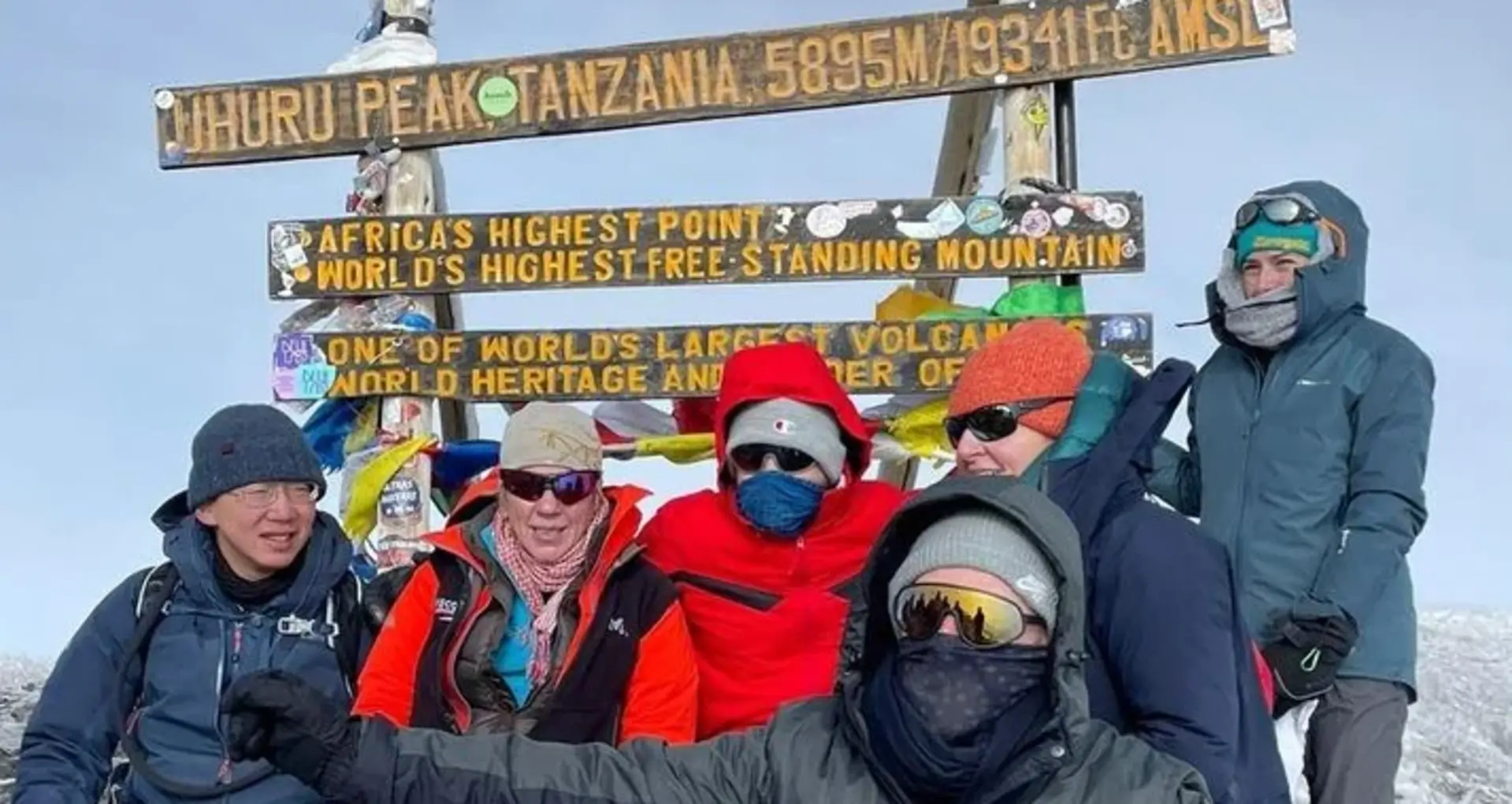
Climbing Kilimanjaro is a once-in-a-lifetime achievement. Your choice of guides can significantly influence your safety, comfort, and the impact of your trek on local communities. At Kilisherpas Travel, we prioritize ethical practices, safety, and supporting Tanzania’s mountain communities. Trust us to guide you safely to Uhuru Peak while making a positive difference.