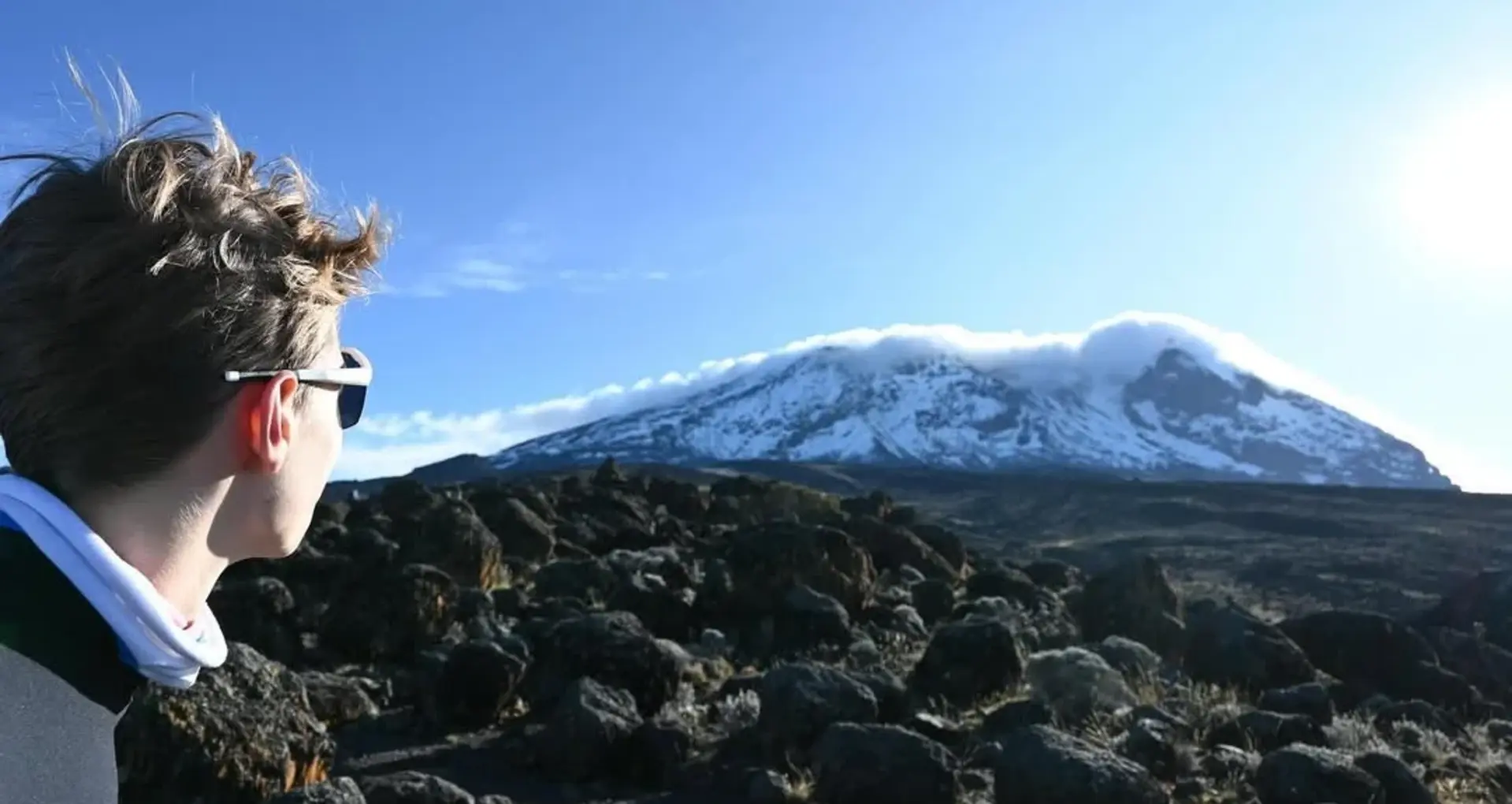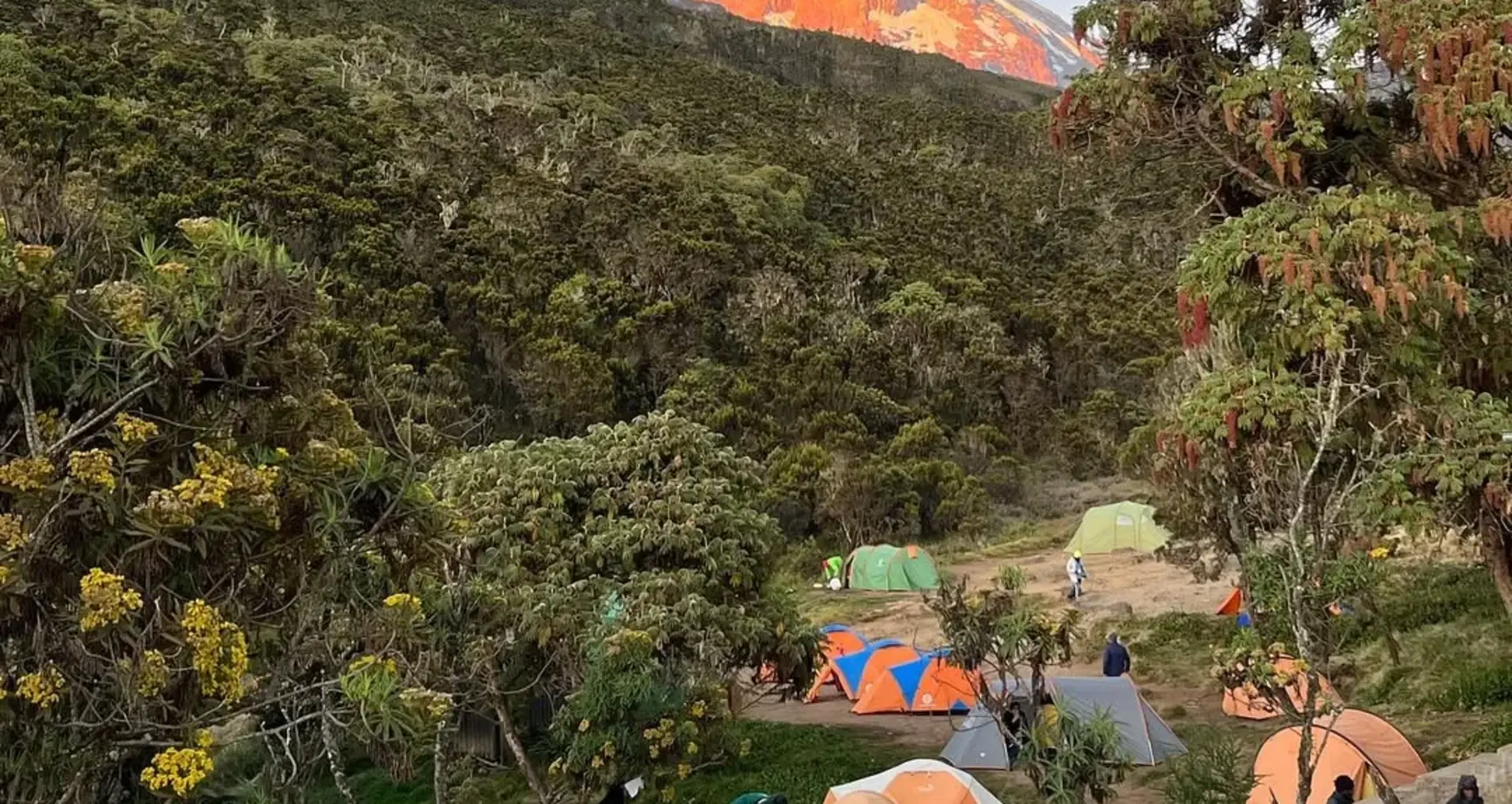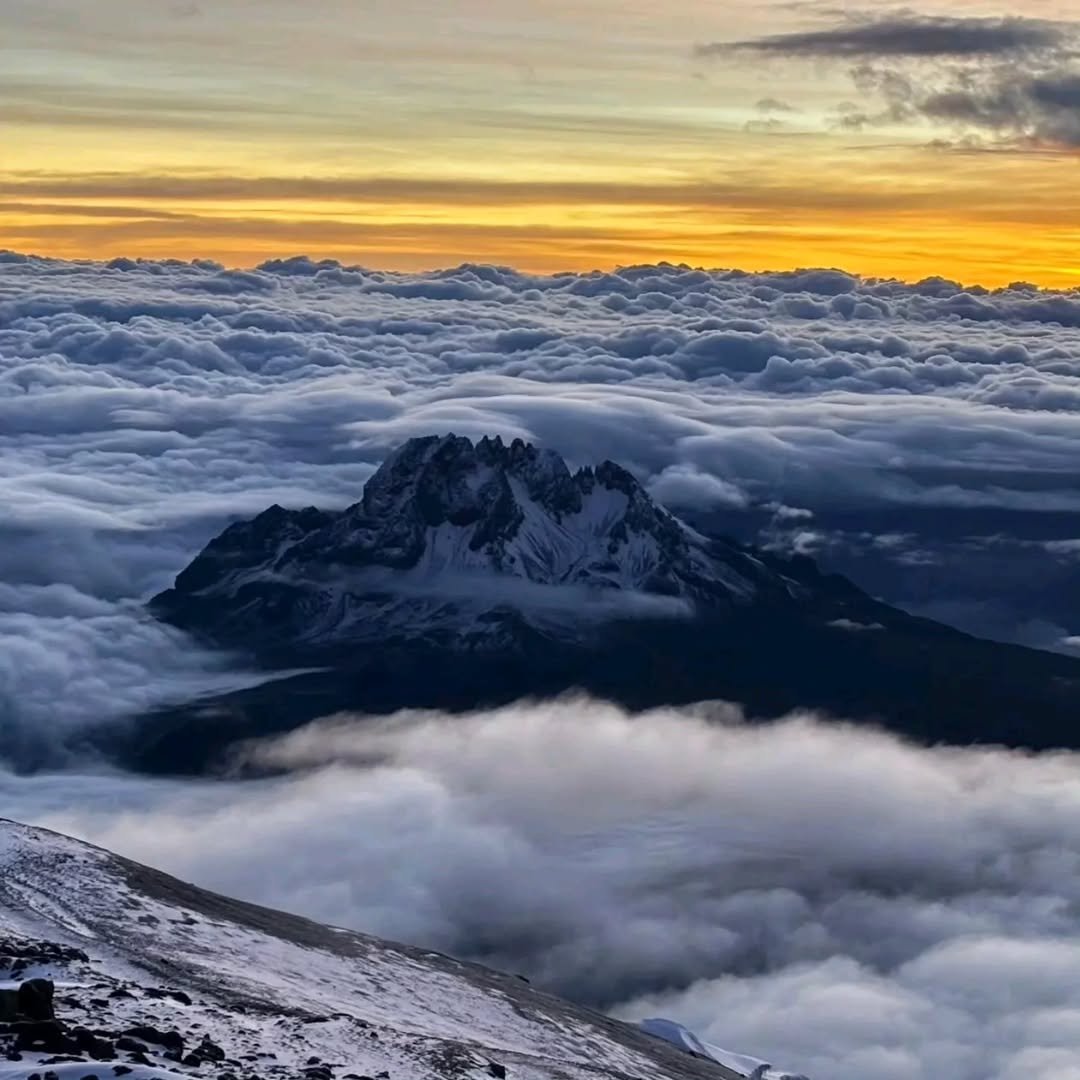
Yes, Mount Kilimanjaro has snow – and its snow-capped summit is one of the most iconic and surprising features of Africa’s highest mountain. Standing at 5,895 metres (19,341 feet), Kilimanjaro is famous for its glaciers and ice fields despite being located just 340 km south of the equator.
At Kilisherpas Travel, we guide climbers every year to the “Roof of Africa". Many are amazed to find snow and ice near the summit after trekking through tropical rainforest and alpine desert zones. This 2026/2027 guide explains everything you need to know about Kilimanjaro’s snow, its unique characteristics, the impact of climate change, and what it means for your climb.
Does Kilimanjaro Have Snow?
Yes — Kilimanjaro has permanent snow and glaciers, primarily on the Kibo and Mawenzi peaks. The highest point, Uhuru Peak, often features snow, especially during the colder months.
However, the snow is not uniform year-round. It varies significantly with seasons and has been shrinking dramatically over the past century due to climate change.
Unique Features of Kilimanjaro’s Snow
Kilimanjaro’s snow is different from typical mountain snow in several ways:
Composition: Much of the snow consists of frozen water vapour rather than compacted ice crystals, giving it a light, powdery texture similar to dry icing sugar.
Formation: Warm, moist air rises from the lower slopes, cools at higher altitudes, condenses, and freezes — a process sometimes called “the exhaust".
Maintenance: A delicate balance between accumulation (during wetter months) and melting keeps the snow present, though this balance is increasingly disrupted.
The glaciers and ice fields create a striking visual contrast — bright white snow against the dark volcanic rock and the vast African plains below.
Climatic Conditions & Their Effect on Snow
Kilimanjaro experiences dramatic climate zones as you ascend:
Base (up to ~3,000 m): Tropical, warm, and humid
Mid-altitudes: Cooler montane forest and heath zones
High altitudes (above 4,000 m): Alpine desert with freezing temperatures
Summit zone: Arctic-like conditions with temperatures dropping to -20°C (-4°F) or lower
At the summit, low humidity and extreme cold help preserve snow and ice, but the mountain’s proximity to the equator makes it particularly sensitive to global temperature rises.
Current State of Kilimanjaro’s Glaciers (2026/2027)
Kilimanjaro has lost more than 80% of its glacial surface since the early 20th century. Scientists predict the remaining glaciers could disappear entirely by 2040–2050 if current trends continue.
Seasonal variation: Snow accumulation is higher during the wetter months (November–May), while melting accelerates in the drier periods.
Visible changes: The Furtwängler Glacier and other ice fields have shrunk noticeably in recent decades.
Despite the decline, snow and ice are still present on the summit, especially after rainy seasons, and many climbers still experience snowy conditions near Uhuru Peak.
Challenges of Climbing Kilimanjaro in Snowy Conditions
Climbing in snow adds difficulty and requires extra preparation:
Slippery terrain: Snow and ice increase the risk of falls, especially on steep sections.
Extreme cold: Temperatures can drop sharply, requiring proper layering and insulation.
Western Breach Route: This technical route often involves snow and ice; crampons may be necessary for safety.
Essential Gear for Snowy Conditions:
Insulated layers and waterproof outer shell
Warm gloves, hat, and balaclava
Trekking poles for stability
Crampons (if attempting Western Breach or icy sections)
High-quality sunglasses or glacier goggles with Category 4 lenses and UV400 protection
Our guides provide detailed gear briefings and monitor weather conditions closely to ensure safe passage.
Unique Experiences of Climbing in Snow
Despite the challenges, climbing Kilimanjaro with snow creates unforgettable moments:
Breathtaking views of white glaciers against the African sky
The contrast between tropical rainforest at the base and arctic conditions at the summit
A stronger sense of achievement when reaching Uhuru Peak in snowy conditions
Stunning photography opportunities, especially at sunrise or sunset
Many climbers describe the snowy summit as one of the most magical parts of the entire experience.
Preservation Efforts & Climate Change
The rapid loss of Kilimanjaro’s snow has drawn global attention to climate change. Local and international initiatives focus on:
Reforestation around the mountain to help regulate local climate
Sustainable tourism practices that reduce environmental impact
Scientific monitoring of glacial retreat
By choosing responsible operators like Kilisherpas Travel, you support conservation efforts while enjoying a low-impact trek.
Practical Tips for Climbers Expecting Snow
Best time for snow: Colder months (June–October and December–February) generally have more snow on the summit.
Route consideration: The Western Breach route often has more snow and ice; the Lemosho or Machame routes offer a more gradual approach with variable snow levels.
Preparation: Train with layered clothing and practise using trekking poles and crampons if needed.
Mental readiness: Be prepared for sudden weather changes and cold summit conditions.
Plan Your Kilimanjaro Climb with Kilisherpas Travel
We provide fully supported expeditions with expert guides who know the mountain’s seasonal conditions intimately. Our teams carry appropriate safety equipment and adapt plans based on real-time weather and snow conditions.
Whether you hope to experience snow at the summit or simply want a safe, successful climb, we tailor every expedition to your fitness level and goals.
Ready to stand on Africa’s snowy rooftop?
Contact Kilisherpas Travel today to plan your 2026/2027 Kilimanjaro expedition. We’ll help you prepare for all conditions, including the possibility of snow at the summit.