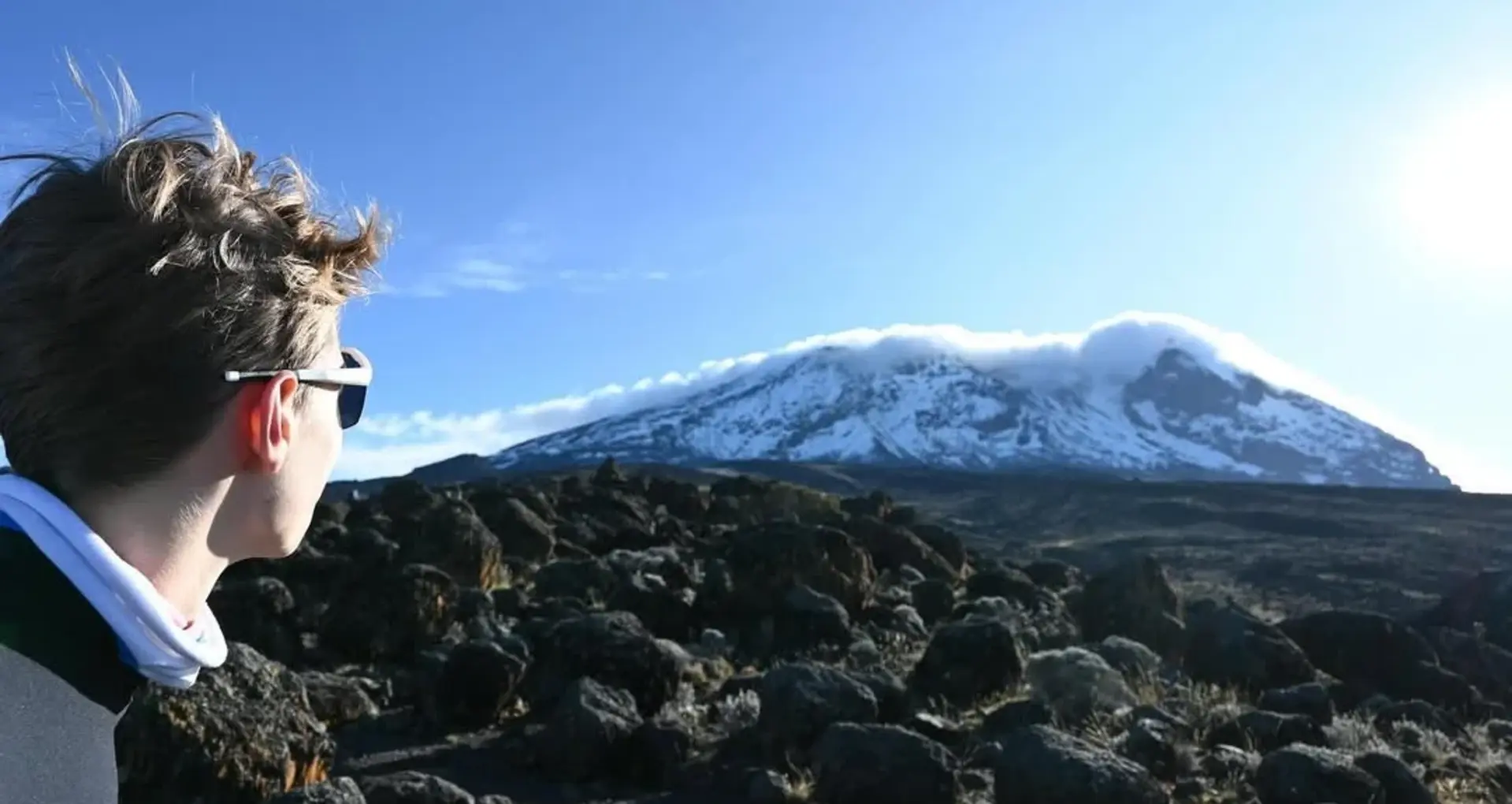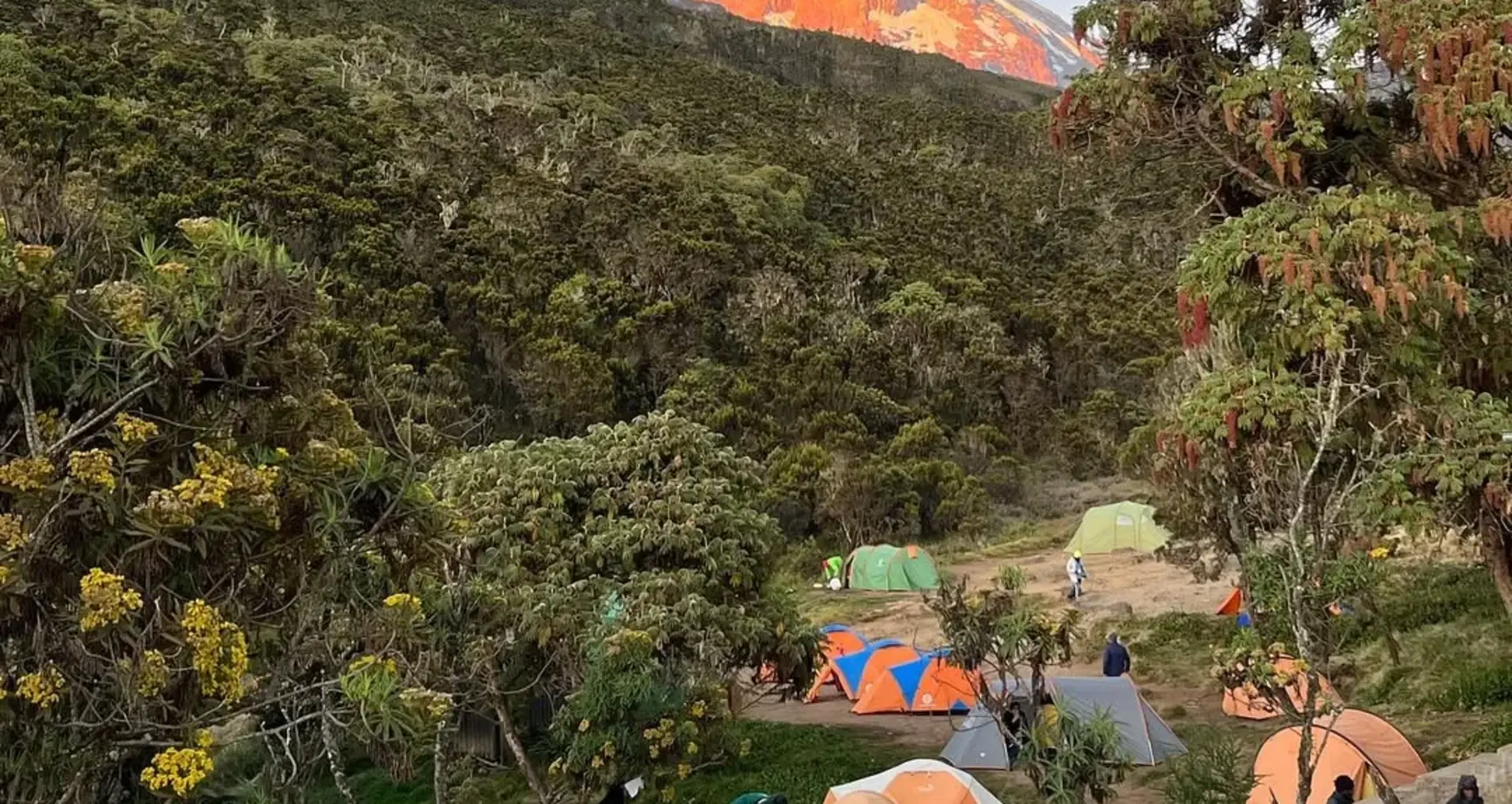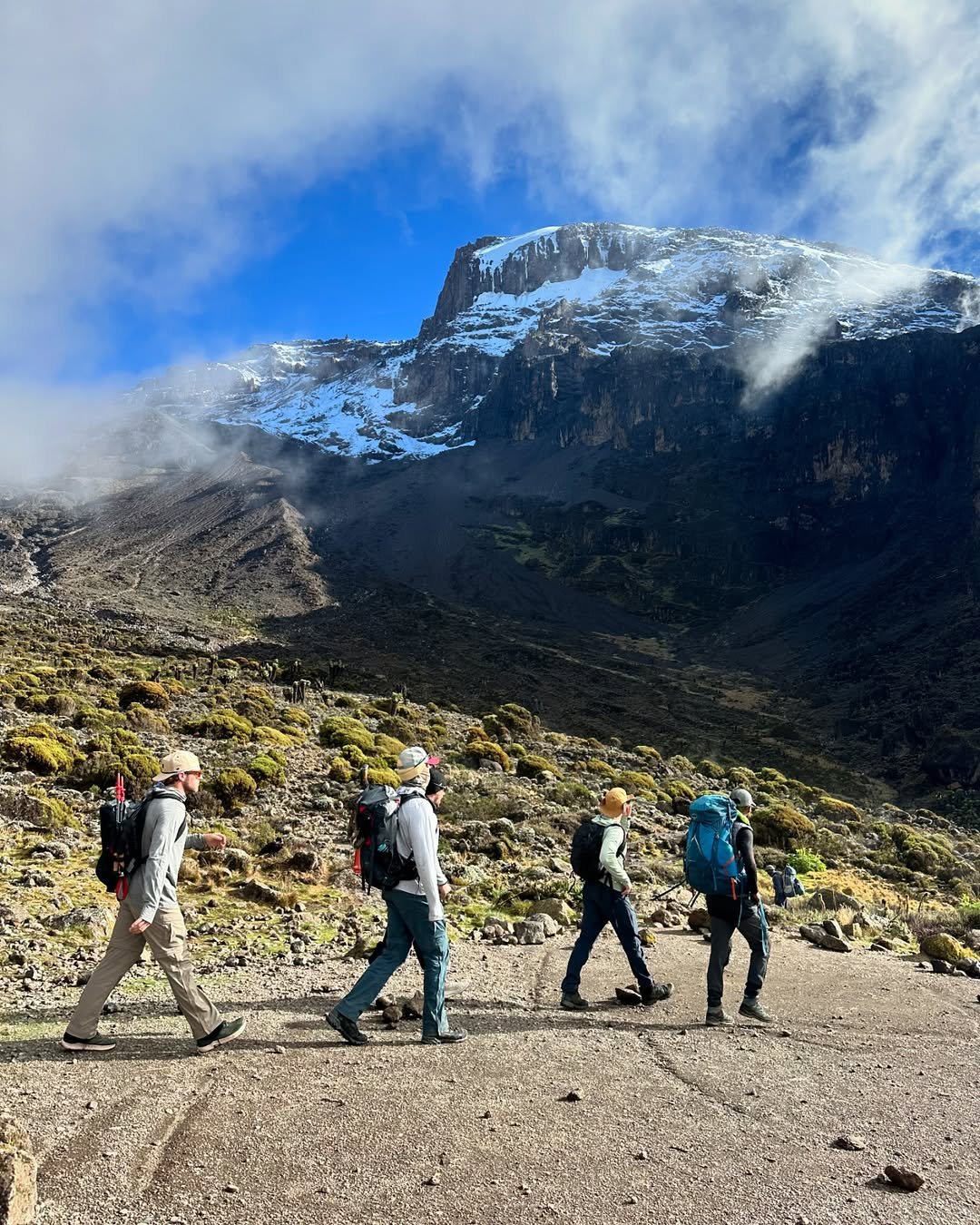
Rising dramatically along the southern slopes of Mount Kilimanjaro, the Barranco Wall is one of the most iconic and exhilarating features of Africa’s tallest mountain. Often mistaken for a dangerous and technical climb, many trekkers approach it with a mix of anticipation and trepidation. But is it truly as perilous as it looks? At Kilisherpas Travel, we believe that with proper guidance, preparation, and mindset, conquering Barranco Wall is an achievable and rewarding part of your Kilimanjaro adventure.
In this comprehensive guide, we’ll explore everything you need to know about the Barranco Wall, its history, difficulty, safety, and tips to prepare for this exciting challenge.
What Is the Barranco Wall?
Located roughly halfway up Mount Kilimanjaro at an elevation between 3,977 meters (13,052 feet) and 4,202 meters (13,786 feet), the Barranco Wall is a steep, rugged ridge that forms a natural barrier on the mountain’s southern route. It was formed long ago when Kilimanjaro was an active volcano, leaving behind a striking geological feature that adds both challenge and beauty to the trek.
The Appearance and Structure
From afar, the wall appears as a sheer, imposing cliff, sometimes called the "Death Wall" in sensationalised stories. Close-up, it reveals a zigzagging, stair-like path that many trekkers navigate with relative ease. The trail includes sections where you’ll scramble over rocks and boulders, requiring the use of hands and knees, but no technical climbing gear is needed.
The Height and Distance
Height: The wall rises 257 metres (843 feet) from the base to the top.
Climb Duration: Most climbers take 1 to 2 hours to traverse it, depending on pace and acclimatisation.
Is Barranco Wall Dangerous?
The reputation of Barranco Wall as a perilous obstacle is often exaggerated by sensational headlines. Common phrases like “Terrifying Barranco Wall” or “Death Wall” tend to scare potential trekkers unnecessarily.
Safety Facts
No Technical Skills Required: Despite its intimidating appearance, it is a low-grade scramble, not a technical climb.
No Special Equipment Needed: Trekkers use their hands and knees to scramble; climbing gear isn’t necessary.
Guided Experience: Trustworthy Kilimanjaro operators, including Kilisherpas Travel, ensure safety through expert guides trained for high-altitude trekking.
The Truth About Risks
While any high-altitude challenge carries some risk, the death rate on Kilimanjaro is remarkably low, with around five reported fatalities annually, most unrelated to Barranco Wall specifically. No official reports link fatalities directly to this section. With experienced guides and cautious pacing, Barranco Wall is a manageable challenge.
Location and Route Integration
Barranco Wall is situated on the southern slope of Kilimanjaro, along the popular routes:
Lemosho Route: Known for its scenic beauty and lower traffic, the wall is encountered on Day 3 or 4, between Shira 2 Camp and Barranco Camp.
Machame Route: Often called the "Whisky Route", it features the wall on Day 3, starting from Shira and leading toward Barranco Camp.
Umbwe Route: The most challenging of the classic routes, with Barranco Wall typically on Day 3.
Routes Not Passing Barranco Wall
If you prefer to avoid the wall altogether, consider alternative routes such as the following:
Northern Circuit
Marangu Route
Rongai Route
However, many climbers consider crossing Barranco Wall a highlight of their Kilimanjaro trek, offering unforgettable views and a sense of accomplishment.
Tips for Climbing Barranco Wall
Climbing Barranco Wall is physically demanding but entirely doable with proper preparation. Here are essential tips:
Go Slow: Use the Swahili phrase “pole-pole” (slowly-slowly). Rushing increases fatigue and risk.
Listen to Your Guide: Guides are experienced and can advise on foot placement, handholds, and pacing.
Skip the poles: Leave trekking poles tied to your pack; use your hands for scrambling.
Use Your Hands and Knees: The scramble is low-grade; secure your footing and hold on to rocks or ropes if available.
Stay Calm and Focused: The narrow sections can feel intimidating but are manageable with patience.
Enjoy the View: The scenery along the wall is breathtaking—take a moment to admire the landscape.
When Is the Best Time to Climb?
Barranco Wall can be tackled year-round, but the best times are during the dry seasons:
Late December to early March
June to September
Avoid climbing during the rainy season (April-May and October-November), as wet rocks can be slippery and hazardous.
How Long Does It Take?
Most trekkers spend about 1 to 2 hours crossing Barranco Wall. It’s often a highlight of the trek, offering a mix of fun scrambling and spectacular views of Kilimanjaro’s glaciers, Barranco Valley, and surrounding landscapes.
Safety and Support
All reputable Kilimanjaro operators, including Kilisherpas Travel, prioritise safety and have experienced guides to assist you through this section. The proximity of a helicopter evacuation point near Barranco Camp also ensures peace of mind.
Why Climb Barranco Wall?
Many climbers regard crossing Barranco Wall as one of the most exciting moments of their Kilimanjaro journey. It’s a physical and mental challenge that fosters camaraderie among trekkers. Overcoming this obstacle often results in a deep sense of achievement and unforgettable memories.
Conclusion
Despite its dramatic appearance, Barranco Wall is a manageable challenge that adds adventure and excitement to your Kilimanjaro climb. With proper pacing, guidance, and a positive mindset, you’ll find it to be one of the most rewarding parts of your mountain expedition. Trust Kilisherpas Travel to provide expert guidance and support, and prepare to conquer this iconic feature of Africa’s majestic peak.