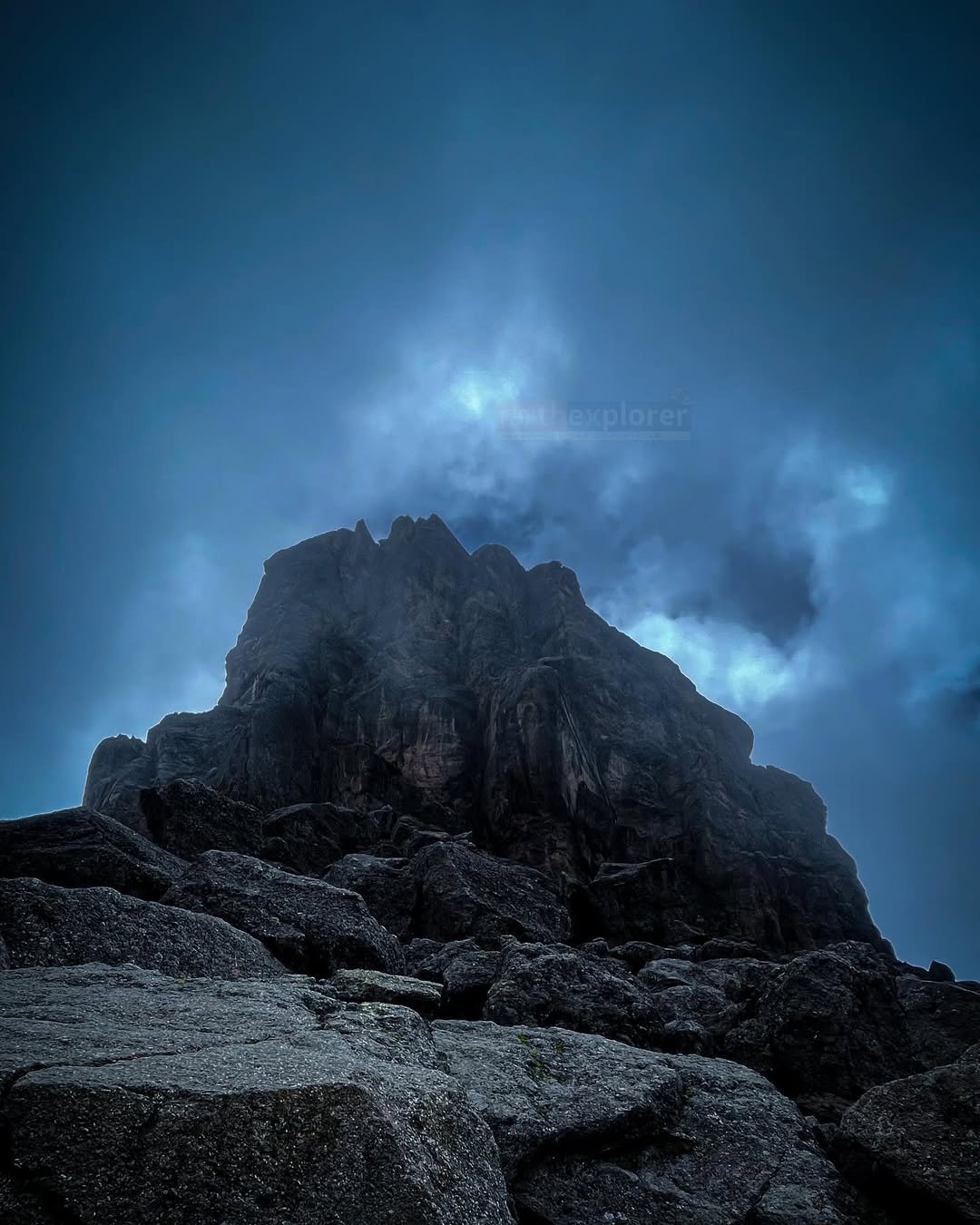
Nestled on the slopes of Africa’s tallest mountain, Mount Kilimanjaro, lies a striking geological formation known as the Lava Tower—often called “Shark’s Tooth” by seasoned climbers. Standing at 4,630 metres (15,190 feet) above sea level, this 90-metre (295-foot) volcanic plug is not only a visual highlight but also a vital stop for altitude acclimatisation. In this guide, we explore the formation, significance, and climbing routes associated with Kilimanjaro’s iconic Lava Tower, helping adventurers prepare for their ultimate ascent.
How the Kilimanjaro Lava Tower Was Formed
A Natural Volcanic Landmark The Lava Tower is a classic example of a volcanic plug—a resilient remnant of Kilimanjaro’s volcanic past. Formed over 150,000 to 200,000 years ago during Kilimanjaro’s active phase, molten magma from deep within the Earth erupted, then cooled and solidified within the volcano’s vent. This hardened magma, primarily composed of basalt and andesite, resisted erosion while the surrounding softer rock wore away, leaving behind this imposing natural "stopper".
Global Comparisons: This geological phenomenon isn’t unique to Kilimanjaro. Similar formations include Wyoming’s Devil’s Tower, Brazil’s Sugarloaf Mountain, Scotland’s Arthur’s Seat, and Gran Canaria’s Roque Nublo—all products of ancient volcanic activity.
Why the Lava Tower Has Resisted Erosion
Hard, Durable Rock Composition The strength of basalt and andesite explains the tower's longevity. These rocks have steep, nearly vertical slopes and are highly resistant to weathering. That’s why, despite millions of years of exposure, the Lava Tower remains prominent on Kilimanjaro’s landscape.
Erosion Resistance and Preservation While surrounding terrain eroded over time, the tower's composition allowed it to stand largely intact, offering an awe-inspiring sight during climbs and a testament to volcanic resilience.
Location and Climate of the Lava Tower
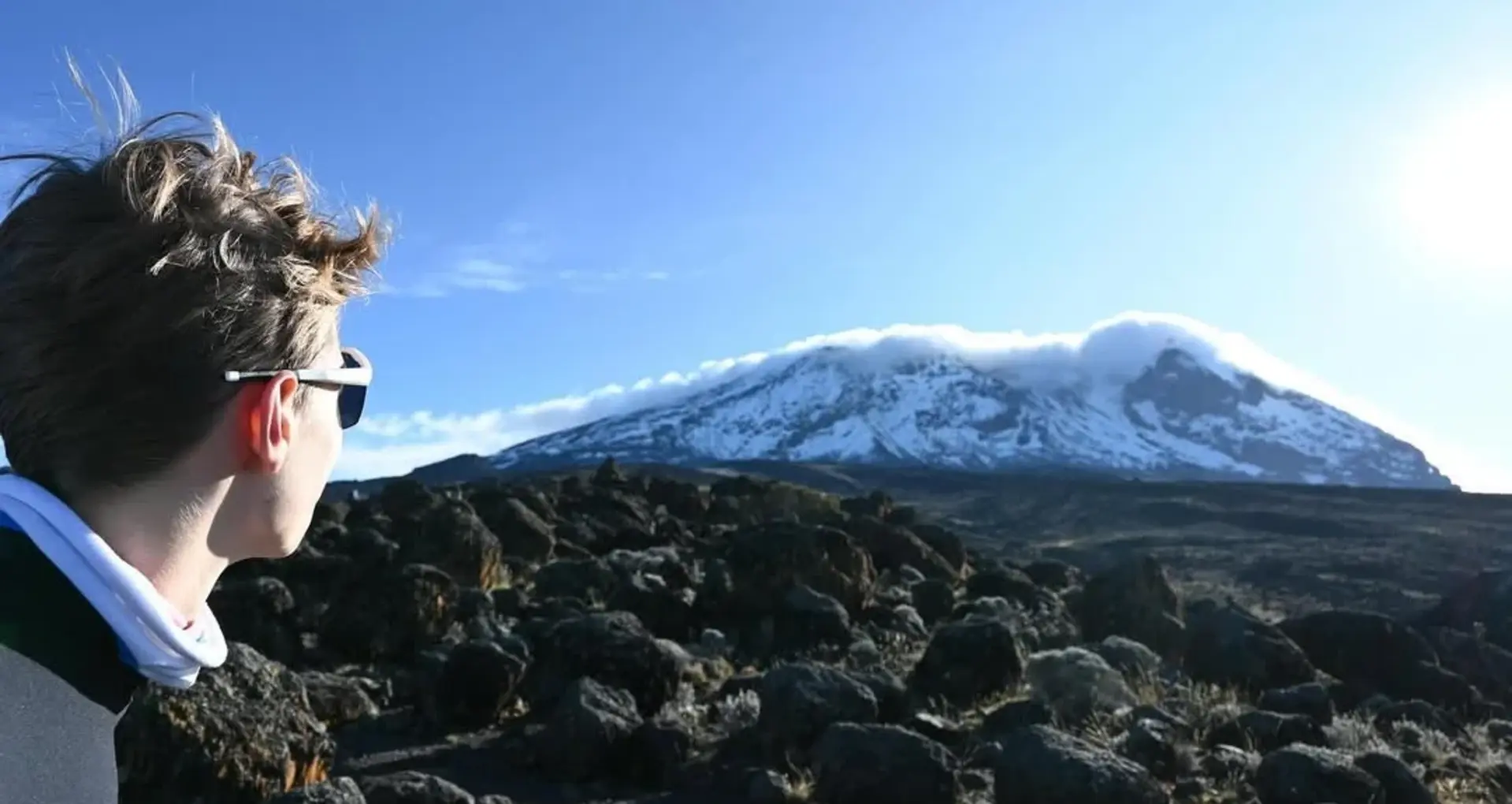
Position on Kilimanjaro Located on the western slopes, west of Uhuru Peak and east of the Shira Plateau—a remnant of an extinct volcano—the Lava Tower sits within Kilimanjaro’s alpine desert zone. This zone marks the transition from lush rainforest to the icy summit, characterised by extreme conditions and barren landscapes.
Harsh Climate Conditions Expect near-absence of vegetation, fierce winds, and rapid temperature fluctuations. Daytime temperatures can reach 25°C (77°F), but nights often plunge below freezing. The landscape is covered in loose volcanic gravel and stones, with occasional icy formations resulting from nighttime moisture condensation, creating a surreal, otherworldly environment.
Routes to the Lava Tower
Choosing Your Path Several popular routes pass by the Lava Tower, each offering unique scenery and challenges:
Lemosho Route: A favourite among experienced climbers, taking 6–8 days. It begins on the western slope and offers scenic vistas, including Cathedral Peak at 3,872 metres for acclimatisation. Its longer duration supports gradual ascent and higher success rates.
Machame Route: Known as the "Whisky Route", this 6–7 day trek starts in lush tropical forests and traverses all five ecological zones, culminating at the Lava Tower as an essential acclimatisation stop. The longer itinerary enhances safety and acclimatisation.
Western Breach Route: Once a popular but dangerous route due to unstable volcanic rocks and rockfalls, it has been officially closed since 2024 for safety reasons.
Important Tips: Always choose a route aligned with your experience level and physical fitness. Longer routes like Lemosho and Machame are recommended for first-time climbers to maximise acclimatisation and success.
The Lava Tower Camp: Rest and Acclimatization Point
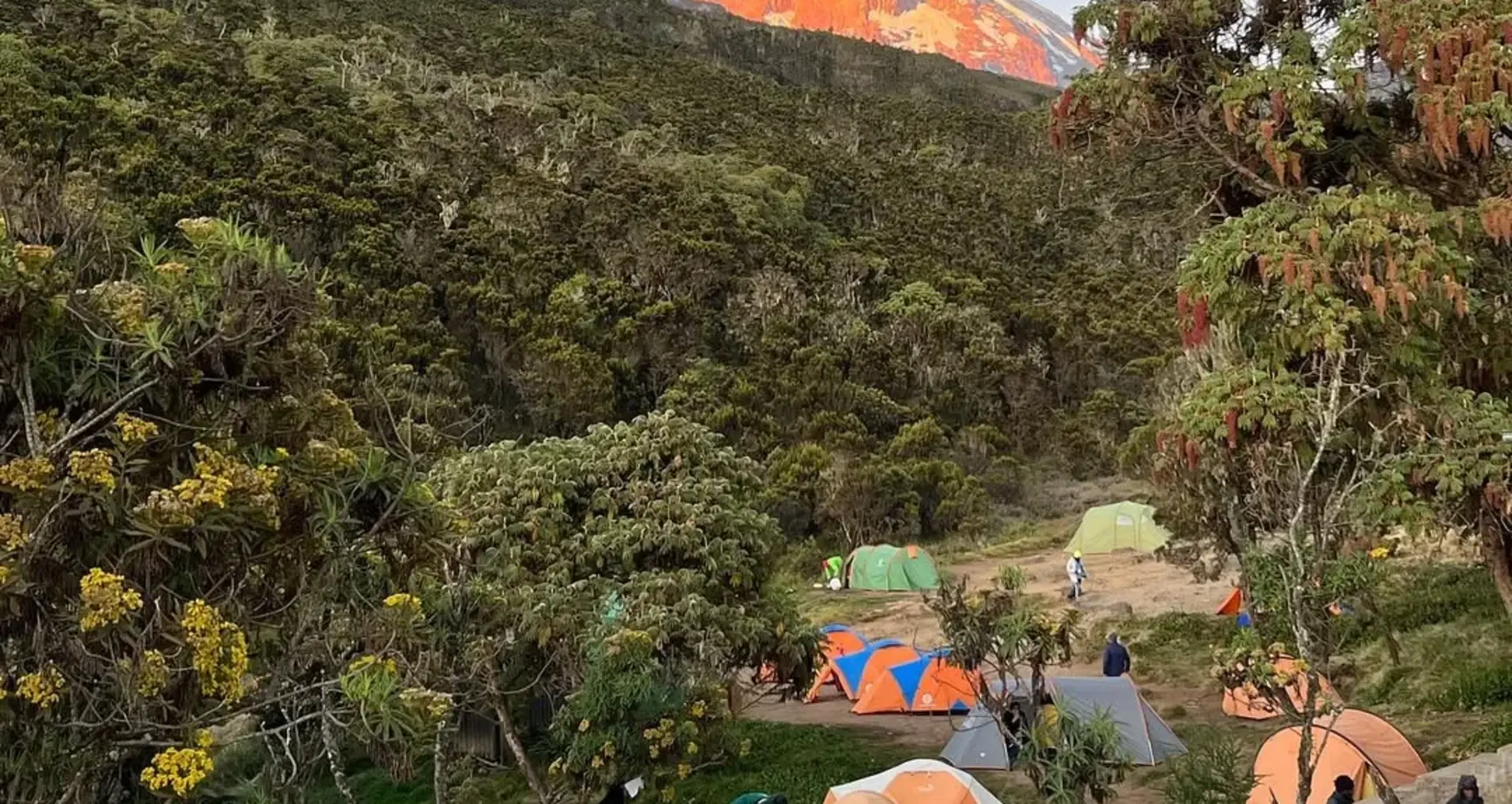
Camp Overview: Situated at the base of the Lava Tower, the Lava Tower Camp is mainly used for short stops rather than overnight stays. Climbers typically pause here for lunch or brief rest, then descend to Barranco Camp for the night.
Climbing Rules & Safety Climbers are strictly prohibited from summiting or sleeping on the Tower itself due to safety concerns. The camp offers tents and basic facilities, including simple wooden toilets, but no accommodations. Visiting the Tower helps with acclimatisation—a principle known as “climb high, sleep low”—critical for safe ascent.
Nearby Landmarks: Approximately two hours from the Lava Tower is Arrow Glacier Camp on the Western Breach route, now closed due to danger. After visiting the Tower, trekkers descend to Barranco Camp, located beneath the famed Barranco Wall, which presents a manageable but visually impressive challenge.
Final Thoughts
The Kilimanjaro Lava Tower isn’t just a stunning geological wonder; it’s an essential part of the climbing experience. Visiting this natural monument supports acclimatisation and offers a glimpse into Kilimanjaro’s volcanic history. Whether you’re a seasoned climber or a first-time adventurer, including the Lava Tower in your itinerary can make your Kilimanjaro expedition more successful and memorable.
Prepare thoroughly, respect the mountain’s power, and enjoy this awe-inspiring journey to Africa’s rooftop.