Tanzania is a country of breathtaking contrasts – snow-capped peaks, endless savannahs, ancient craters, and vast wilderness. Yet among its most extraordinary treasures are the magnificent inland lakes that dot the landscape. These lakes are far more than scenic backdrops; they are ancient ecological powerhouses, biodiversity hotspots, cultural landmarks, and living natural museums that have shaped both wildlife and human history for millennia.
From the world’s longest freshwater lake to a blood-red alkaline basin, from crystal-clear waters teeming with endemic cichlids to seasonal wetlands that transform with the rains, Tanzania’s lakes represent some of the most diverse and fascinating aquatic systems on Earth.
At Kilisherpas Travel, we specialise in crafting immersive journeys that go beyond the classic safari. Whether you seek world-class birdwatching, unique cultural encounters, thrilling water-based adventures, or simply awe-inspiring landscapes, our expertly guided lake experiences deliver unforgettable moments of wonder, adventure, and discovery.
This ultimate 2026/2027 guide explores Tanzania’s most spectacular lakes
helping you plan the perfect addition to your Northern or Southern Circuit safari.
1. Lake Victoria – Africa’s Largest Lake & the Lifeblood of East Africa
Quick Facts
Largest lake in Africa and second-largest freshwater lake in the world by surface area
Shared by Tanzania, Uganda, and Kenya
Locally known as Nnalubaale - “The Giver of Life”
Average depth: just 41 meters
A Lake of Immense Ecological Wealth
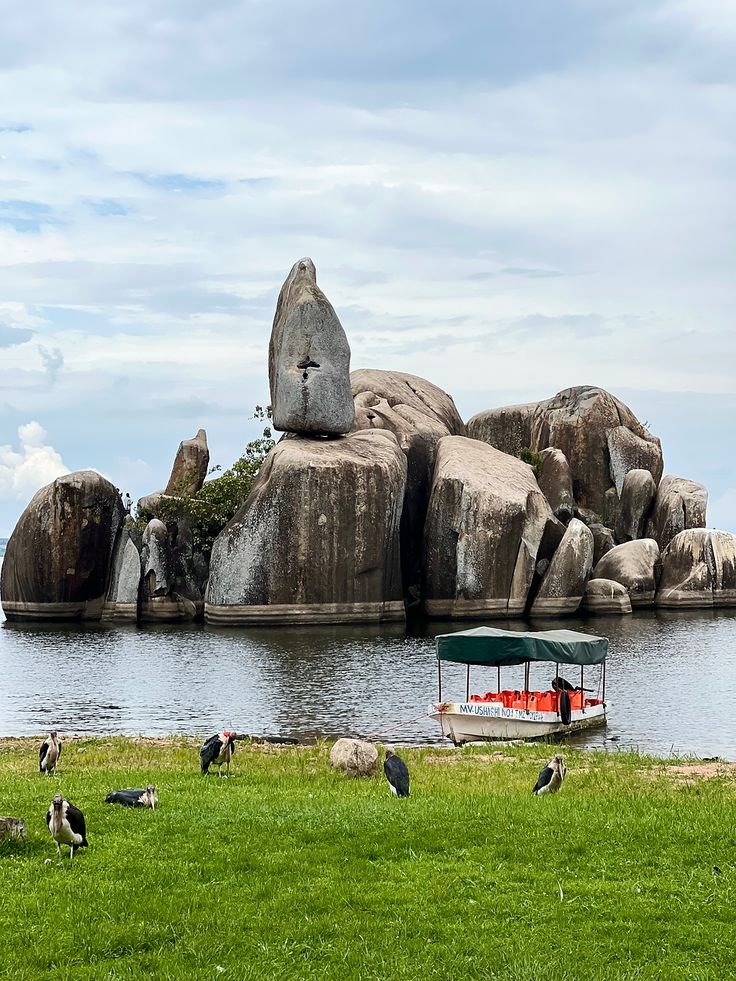
Lake Victoria’s shallow waters allow sunlight to penetrate deeply, creating one of the most productive aquatic ecosystems in Africa. It supports over 500 species of cichlid fish (many endemic), along with Nile perch, tilapia, lungfish, and catfish. The lake and its shores are also home to more than 300 bird species, including the majestic shoebill stork, African fish eagles, grey parrots, kingfishers, and giant herons.
Wildlife Along the Shores
The lake’s fringes teem with life: hippos wallow in the shallows; African clawless otters play along the banks; sitatunga antelope and bohor reedbuck graze in the wetlands; and crocodiles bask in the sun. Rare mud turtles can also be spotted in quieter areas.
Islands & Cultural Experiences
With over 3,000 islands, Lake Victoria offers rich exploration opportunities. Highlights include Ukerewe Island (Africa’s largest inland island), Rubondo Island National Park (home to chimpanzees and untouched rainforest), and the scenic Ssese Islands. Visitors can enjoy fishing with local communities, boat safaris, and cultural immersion in lakeside villages.
Lake Victoria perfectly blends nature, culture, and everyday East African life, making it an immersive destination for those wanting to experience the heartbeat of the region.
2. Lake Tanganyika – The World’s Longest, Deepest & Most Ancient Lake
Quick Facts
626 km long - the world’s longest lake
1,470 meters deep - second deepest lake on Earth
Holds 16% of the world’s freshwater
Formed over 9–12 million years ago
A Geological Wonder
Nestled in the dramatic East African Rift Valley, Lake Tanganyika’s extreme depth creates distinct water layers that have allowed unique species to evolve in isolation.
Underwater Biodiversity
The lake boasts over 250 endemic fish species, many of which are colourful cichlids that rival tropical marine reefs. Its crystal-clear waters make it one of Africa’s top destinations for snorkelling and diving, with rocky underwater escarpments and vibrant aquatic life.
Wildlife & Adventures
Hippos and crocodiles frequent the shores, while kingfishers, herons, and African fish eagles patrol the skies. Activities include kayaking along dramatic cliff-lined coasts, fishing expeditions with local fishermen, and magical sunset boat cruises across the vast horizon.
3. Lake Malawi – The Freshwater Coral Reef of Africa
Quick Facts
Third-largest lake in Africa
One of the world’s few meromictic lakes (with separate layers that rarely mix)
Home to the highest number of freshwater fish species on Earth
What Makes Lake Malawi Unique?
Its warm, oxygen-rich upper layer remains separated from the cold, low-oxygen bottom layer, creating diverse micro-habitats that have driven extraordinary evolutionary diversity.
A Kaleidoscope of Life
Lake Malawi is renowned for over 1,000 cichlid species, freshwater sponges, unique crustaceans, and underwater “forests” of algae and rock formations. The turquoise waters, green mountainous surroundings, and pristine beaches make it ideal for snorkelling, diving, kayaking, and relaxed cultural village tours.
This scientifically important lake offers some of the most rewarding freshwater underwater experiences in the world.
4. Lake Rukwa – Tanzania’s Most Dramatic Seasonal Lake
Quick Facts
Located in Tanzania’s Southern Highlands
Can expand from narrow wetlands to over 2,600 km² during wet seasons
The Shifting Lake
Lake Rukwa is highly dynamic. In the wet season, it swells dramatically, boosting fish populations and attracting massive numbers of birds. In the dry season, it shrinks into scattered wetlands and pools, concentrating hippos in deeper channels and forcing crocodiles into semi-hibernation as birds follow the remaining water.
This ever-changing ecosystem is a paradise for serious birdwatchers, photographers, and nature enthusiasts seeking an authentic, off-the-beaten-path experience.
5. Lake Natron – Africa’s Magical Red Salt Lake
Quick Facts
One of the most alkaline lakes in the world (pH can reach 12)
Average depth: just 3 meters
Critical breeding site for up to 2.5 million lesser flamingos
Why Lake Natron Is One of Earth’s Mysteries
Its surreal red, pink, and orange hues are created by extreme alkalinity, high evaporation rates, and blooms of spirulina algae. The calcified shores and “mummified” appearance of some birds result from natural mineral processes.
Wildlife & Adventures
Only highly specialised species thrive here, including alkaline tilapia near freshwater inflows and vast flocks of lesser flamingos that feed on the algae. The lake is framed by the majestic Ol Doinyo Lengai (“Mountain of God”) volcano, offering spectacular photography opportunities and dramatic Rift Valley vistas. Visitors can also enjoy authentic Maasai cultural visits.
Lake Natron is hauntingly beautiful, scientifically fascinating, and a must-visit for adventurous travellers.
6. Lake Eyasi – A Salt Lake Rich in Culture & Prehistoric History
Quick Facts
Located southwest of Ngorongoro Crater
Highly saline and shallow
Deeply connected to East Africa’s earliest human ancestors
A Landscape of Salt, Heat & Ancient Stories
The mineral-rich waters support algae and invertebrates that attract flamingos, pelicans, storks, ducks, and raptors. Beyond the lake lies profound human history: archaeological sites dating back 200,000 years and home to the Hadzabe hunter-gatherers and Datoga blacksmith communities.
Experiences
Interact with the Hadzabe to learn traditional hunting techniques, observe Datoga ironworking, enjoy bird photography, and explore the savannah shores. Lake Eyasi offers a powerful blend of culture, history, and raw nature.
7. Lake Manyara – The Flamingo Haven of Tanzania
Quick Facts
Covers 230 km²
Highly alkaline
Protected within Lake Manyara National Park
A Lake Overflowing With Life
Famous for enormous flocks of flamingos that paint the shores pink, Lake Manyara is also known for its tree-climbing lions, large hippo pools, dense acacia forests, and over 400 bird species.
A Photographer’s Dream
The striking contrast of pink flamingos against blue alkaline waters, backed by the towering Rift Valley escarpment and lush woodlands, creates one of Africa’s most scenic safari landscapes.
Experiences at Manyara
Enjoy game drives, specialist birdwatching safaris, forest walks, cultural tours, and visits to natural hot springs. Compact yet incredibly diverse, Lake Manyara is perfect for both short stops and longer stays.
Why Tanzania’s Lakes Matter
Tanzania’s lakes provide unmatched biodiversity, vital breeding grounds for endangered species, essential water sources for wildlife and communities, and unique geological phenomena. They also preserve cultural heritage stretching back thousands of years. These incredible water bodies are destinations for wonder, scientific discovery, responsible tourism, and conservation.
At Kilisherpas Travel, we design responsible itineraries that support local communities while protecting these fragile ecosystems.
Conclusion
From the vast waters of Lake Victoria to the surreal red shores of Lake Natron, Tanzania’s lakes reveal a side of the country that few travelers fully experience. Each lake tells its own story of ancient rifts, evolutionary miracles, vibrant cultures, and breathtaking natural beauty.
Ready to explore Tanzania’s spectacular inland lakes? Contact the team at Kilisherpas Travel today to create your personalised 2026/2027 lake safari itinerary. Whether you want to combine Lake Natron with a Mount Meru climb, add Lake Manyara to your Northern Circuit, or discover the hidden gems of the south, we will craft an unforgettable journey.