Tanzania is a country where culture comes alive through colour, texture, and tradition, and nowhere is this more visible than in its clothing. From the vibrant streets of Dar es Salaam to the remote villages near Mount Kilimanjaro, traditional Tanzanian attire reflects identity, heritage, and creativity.
For travellers, understanding local fashion is more than just visual appreciation; it’s a gateway into the heart of Tanzanian culture. Whether you're on safari, exploring Zanzibar, or visiting local communities, you’ll notice how clothing tells powerful stories about history, lifestyle, and beliefs.
In this guide by Kilisherpas Travel, we take you through Tanzania’s traditional clothing, fabrics, and fashion influences to enrich your travel experience.
The Beauty of Tanzanian Fashion
Tanzanian clothing is known for its bold colours, expressive patterns, and cultural symbolism. Unlike more neutral fashion trends seen in colder regions, Tanzanian style embraces brightness and individuality.
The country’s warm climate, lush landscapes, and vibrant culture inspire locals to wear eye-catching outfits daily. Women often pair colourful dresses with matching scarves (mtandio), while men confidently wear patterned shirts and traditional garments.
This fusion of colour and creativity makes Tanzania one of the most visually unique destinations in Africa.
Kanga: The Heart of Tanzanian Clothing
The kanga is the most iconic and widely used fabric in Tanzania. It is a rectangular cotton cloth featuring intricate patterns and, often, meaningful Swahili inscriptions.
How Kangas Are Worn
Wrapped around the waist as a skirt
Draped over shoulders as a shawl
Used as a head covering
Styled into dresses or tops
Kangas are typically sold in matching pairs called a 'dhoti', allowing full-body coverage.
Cultural Significance
Each kanga includes three key elements:
Mji (center panel) – the main design
Pindo (border) – decorative frame
Jina (inscription) – a Swahili message
These inscriptions can be:
Proverbs
Relationship messages
Social or political statements
For example:
“Naishi niwezavyo siishi mtakavyo” – I live as I can, not as you wish
“Siku ya kufa nyani miti yote huteleza” – On the day of fate, every path is slippery
Kangas are also deeply practical – used as baby carriers, blankets, curtains, and even gifts during weddings or ceremonies.
Kitenge: Versatile and Stylish Fabric
The kitenge is another essential Tanzanian textile, known for its thicker material and vibrant prints.
Common Uses
Scarves and shawls
Dresses and skirts
Accessories (bags, headwear, tablecloths)
Unlike kangas, kitenge fabrics usually do not include written messages. Their durability makes them ideal for both fashion and everyday use – including baby slings.
For travellers, kitenge items are among the best souvenirs to take home from Tanzania.
Kikoi, Shuka & Indigenous Styles
Kikoi
The kikoi is a striped or embroidered cloth often worn by men around the waist. It can also be used as the following:
A beach wrap
A blanket
A head covering
Maasai Shuka
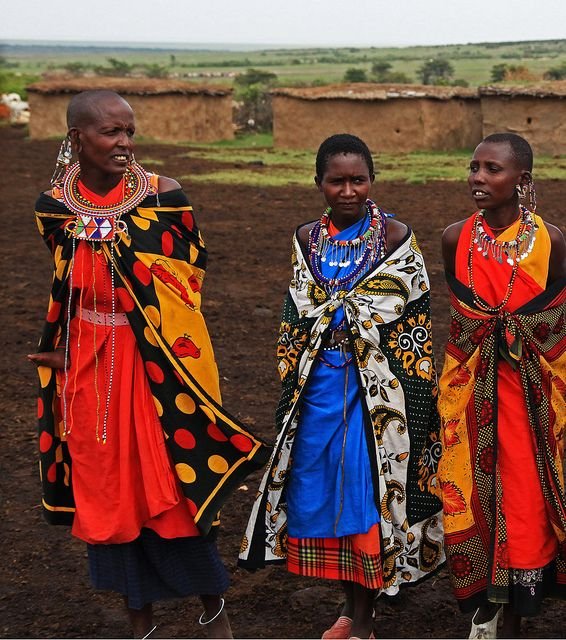
One of Tanzania’s most recognisable cultural garments is the Maasai shuka.
Typically checkered (red, blue, or multicolored)
Worn wrapped around the body
Durable and suitable for the savannah environment
The shuka symbolises Maasai identity and is now globally recognised as a symbol of East African culture.
Traditional Animal-Skin Clothing
Some indigenous groups, such as the Hadzabe, still use animal skins in traditional attire, although this practice is becoming less common in modern Tanzania.
Traditional Men’s Clothing
Kanzu
The kanzu is a long white robe worn by Tanzanian men, especially during formal occasions such as weddings and religious ceremonies.
Often paired with a jacket
Features a decorative tassel
Influenced by Arab culture
Dashiki
The dashiki is a loose, colourful shirt with
A V-shaped neckline
Bold patterns
Short sleeves
It’s popular across East and West Africa and widely worn in Tanzania for both casual and festive occasions.
Kofia
The kofia is a traditional cap commonly worn with kanzu or dashiki, especially among Muslim communities.
Islamic Influence on Fashion
With a significant Muslim population, Islamic clothing plays an important role in Tanzanian fashion, particularly in coastal regions like Zanzibar and Dar es Salaam.
Common styles include:
Women wearing hijabs, niqabs, or buibui (black robes)
Men wearing kanzu or thawbs
This adds another layer of diversity to Tanzania’s already rich cultural landscape.
Footwear & Accessories
Maasai Sandals
Traditional Maasai sandals are made from recycled motorcycle tyres. They are:
Extremely durable
Perfect for rough terrain
Eco-friendly
Jewelry & Beadwork
Beaded jewellery is an essential part of Tanzanian style.
Popular items include:
Bracelets in Tanzanian flag colors
Necklaces and earrings
Anklets and decorative accessories
Maasai beadwork, in particular, carries cultural meaning and is often handcrafted.
You can find these beautiful items in local markets – perfect souvenirs from your safari adventure.
What Travelers Should Know
When visiting Tanzania, embracing local fashion respectfully can enhance your experience:
Wear light, breathable fabrics suitable for the climate
Dress modestly, especially in rural or religious areas
Support local artisans by purchasing authentic fabrics
Consider wearing kanga or kitenge as a cultural experience
Conclusion
Traditional clothing in Tanzania is more than fashion; it’s a living expression of identity, history, and community. From the symbolic messages of kangas to the bold presence of Maasai shukas, every piece tells a story.
As you explore Tanzania with Kilisherpas Travel, take time to appreciate not only the wildlife and landscapes but also the vibrant cultural heritage reflected in everyday attire.
It’s these colourful details that turn a journey into a truly unforgettable experience.