Tanzanian weddings are a vibrant blend of cultural heritage, religious traditions, family values, and joyful celebration. With more than 100 ethnic groups in the country, wedding customs vary widely, yet they share a common foundation: marriage is not only the union of two individuals but also the joining of families and communities.
These celebrations are often multi-day events filled with music, dancing, traditional attire, symbolic rituals, and generous feasts. A Tanzanian wedding is not just an event—it is a cultural experience deeply rooted in history and identity.
The Proposal: Where Tradition Meets Modern Love
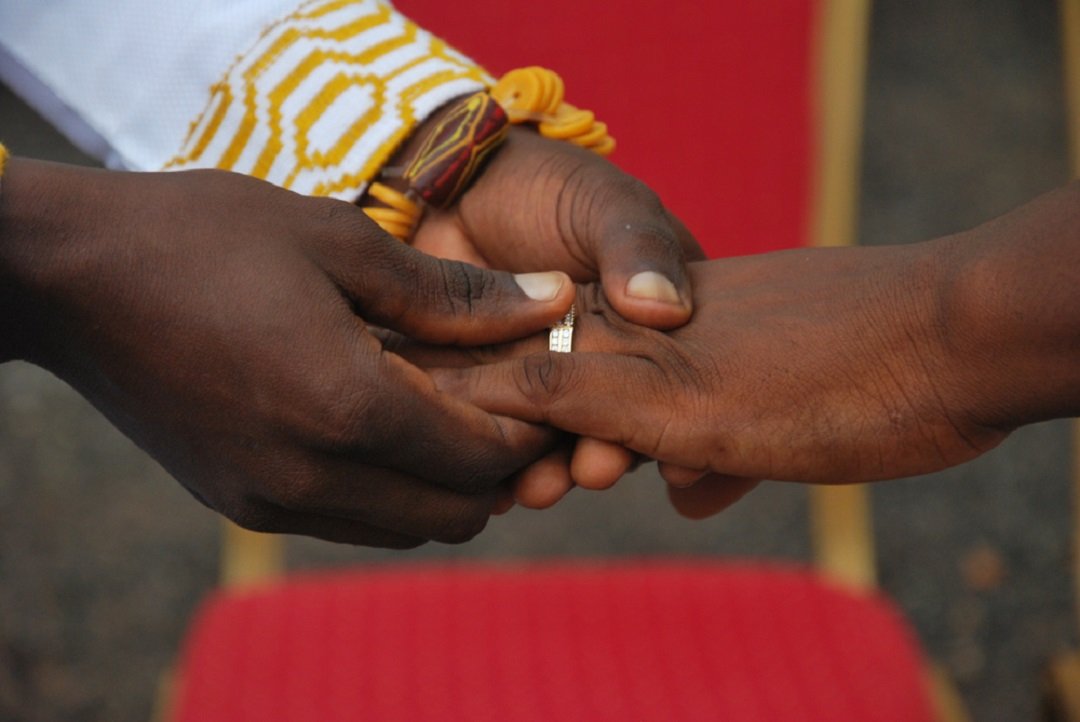
Traditionally, a Tanzanian man is expected to ask the bride’s father for permission before proposing. This reflects a patriarchal family structure where the father is regarded as the head of the household.
In modern Tanzania, however, many couples are shifting toward more direct and independent proposals, where the man proposes directly to his partner without formal family permission first.
A traditional proposal often includes:
A symbolic gift such as jewellery
A formal visit to the bride’s family
A respectful request for marriage
Regardless of the approach, engagement is a joyful moment that brings both families together to celebrate the beginning of a new journey.
Pre-Wedding Traditions and Rituals
Marriage in Tanzania is considered a union of families rather than just individuals. Several important rituals take place before the wedding ceremony.
1. Dowry (Mahari)
The groom’s family presents a dowry known as mahari to the bride’s family. This may include:
Money
Livestock such as cattle
Household items and gifts
The dowry symbolizes respect, appreciation, and the formal linking of two families.
2. Family Negotiations and Gift Exchange
Families meet to discuss and agree on the dowry arrangement. This process strengthens relationships and ensures mutual understanding between both sides.
3. Ancestral Blessings
Before the wedding, both bride and groom often hold separate ceremonies with elders. These rituals call upon ancestral spirits to bless the marriage, ensuring harmony, prosperity, and protection.
Wedding Attire: A Reflection of Identity and Heritage
Tanzanian wedding fashion is rich in colour, symbolism, and cultural pride.
Bride’s Attire
Brides commonly wear:
Kanga fabrics with vibrant African prints
Kitenge shawls or headscarves
Matching traditional tops and skirts
These outfits represent femininity, culture, and celebration.
Groom’s Attire
Grooms typically wear:
A long traditional robe called a kanzu
A decorative kofia hat
Sometimes a modern suit jacket layered over traditional wear
The combination of traditional and modern styles is increasingly popular today.
Wedding Party
Bridesmaids and groomsmen also dress in coordinated traditional fabrics or modern suits, adding harmony and colour to the ceremony.
Today, many couples also choose Western-style wedding dresses and suits, reflecting Tanzania’s cultural diversity and evolving fashion trends.
The Wedding Ceremony: Ritual, Faith, and Unity
Wedding ceremonies in Tanzania vary depending on religion and ethnic background but are always rich in symbolism and celebration.
Christian weddings take place in churches
Muslim weddings are held in mosques
Traditional weddings may occur outdoors or in community spaces
The ceremony typically includes:
A formal procession of the bride and groom
Exchange of vows
Religious readings from the Bible or Quran
Blessings from elders or community leaders
These elements emphasize commitment, respect, and lifelong partnership.
The Wedding Reception: Food, Music, and Celebration
The reception is the most energetic part of a Tanzanian wedding.
Key Highlights:
Grand entrance of the newlyweds
Traditional singing and dancing
Ululation (joyful vocal celebration)
First dance as a married couple
Food and Drinks
Guests enjoy a rich buffet featuring:
Pilau
Biryani
Chapati
Samosas
Nyama choma (grilled meat)
Drinks may include local beers, wines, and spirits.
The celebration often continues late into the night, filled with laughter, dancing, and community joy.
Wedding Gifts: A Symbol of Support and Unity
Gift-giving plays an important role in Tanzanian weddings.
Before the Wedding
The groom’s family traditionally offers gifts to the bride’s family, such as:
Kitchen items
Clothing
Jewellery
On the Wedding Day
Guests bring gifts for the couple, including:
Cash gifts (most common)
Household appliances
Bedding and kitchenware
Personal items
During the reception, the MC often announces each gift giver, adding a personal and celebratory touch to the event.
Honeymoon in Tanzania: Romantic Getaways
After the wedding celebrations, couples embark on a honeymoon to some of Tanzania’s most breathtaking destinations.
Zanzibar
White sandy beaches
Turquoise Indian Ocean
Romantic dhow sunset cruises
Snorkeling and Stone Town exploration
Serengeti National Park
Big Five safari experiences
Hot air balloon safaris at sunrise
Luxury lodges and wilderness camping
Ngorongoro Crater
Stunning volcanic landscapes
Dense wildlife population
Scenic crater rim views
Other Romantic Destinations
Mount Kilimanjaro foothills
Lake Manyara
Mafia Island
These destinations offer the perfect combination of romance, adventure, and natural beauty.
Conclusion: A Union of Love, Family, and Culture
Tanzanian weddings are more than ceremonies; they are powerful cultural experiences that bring families, traditions, and communities together. From the proposal to the honeymoon, every step is filled with meaning, celebration, and shared joy.
Whether traditional or modern, every Tanzanian wedding reflects the beauty of unity, heritage, and love.