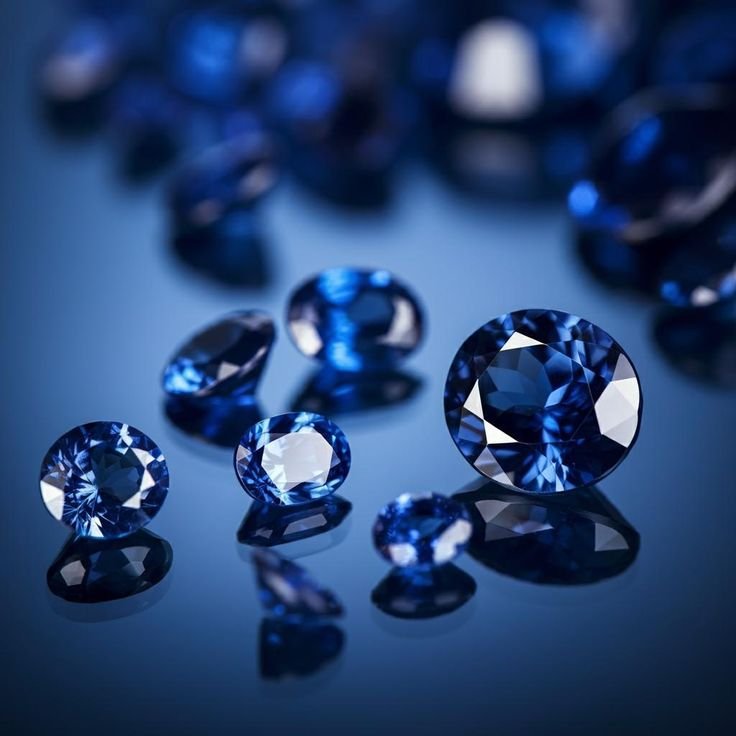
Tanzanite is one of the world’s rarest and most captivating gemstones — a striking translucent blue-violet stone that appears almost nowhere else on Earth. Discovered in the late 1960s near the foothills of Mount Kilimanjaro, tanzanite quickly captured the attention of jewellers, including the iconic Tiffany & Co., which helped launch it into global fame.
Mined exclusively in a small area of northern Tanzania, this unique variety of the mineral zoisite offers exceptional beauty, vibrant pleochroism (colour-changing properties), and growing investment appeal as its single known deposit slowly depletes.
At Kilisherpas Travel, we love introducing travellers to Tanzania’s hidden cultural and natural treasures – including the fascinating story of tanzanite. Whether you’re on safari near Arusha, climbing Mount Meru or Kilimanjaro, or exploring Lake Natron, a visit to a tanzanite museum or ethical purchase can add a meaningful souvenir to your African adventure.
The Discovery of Tanzanite
Tanzanite was first found in 1967 in the Merelani Hills near Arusha. Two main stories exist about its discovery:
The version recognised by the Tanzanian government credits local resident Jumanne Mhero Ngoma, who found the first crystal in January 1967 and later received a certificate and reward.
The more widely known Western account attributes the find to tailor and prospector Manuel de Souza (nicknamed “Mad Manuel”), who stumbled upon a translucent purple-red stone while searching for gold and rubies with Maasai hunters on July 7, 1967.
Initially mistaken for sapphire due to its colour, the stone proved softer on the Mohs scale. Laboratory testing revealed it as a rare blue variety of the common mineral zoisite.
Henry B. Platt of Tiffany & Co. recognised its potential, named it “tanzanite” after its country of origin, and featured it in a successful collection that brought the gem worldwide attention.
What Makes Tanzanite So Special?
Tanzanite stands out for three main reasons:
Striking Appearance & Pleochroism The gem displays different colours depending on the angle and lighting — shifting between rich blue-violet, purple, and sometimes golden-brown. This optical phenomenon, called pleochroism, gives each stone a dynamic, almost magical quality. Heat treatment is commonly used to enhance the desirable vivid blue-violet hue, making it resemble high-end sapphire.
Extreme Rarity Tanzanite is found in commercially viable quantities only in one small area on the planet: the Merelani Hills in northern Tanzania, at the foot of Mount Kilimanjaro. No other deposits of this chromium- and vanadium-rich blue zoisite are known. This makes tanzanite rarer than diamonds in terms of geographic occurrence.
Relatively Accessible Price With a Mohs hardness of 6.5–7 (similar to glass), tanzanite is softer than sapphire or diamond and requires careful handling. However, it remains more affordable than many comparable gems, making it popular for bold, substantial jewellry pieces often accented with diamonds.
Investment Note (2026/2027):
As the single deposit continues to deplete and global demand grows, high-quality tanzanite prices are expected to rise. Many experts view responsibly sourced tanzanite as a potential long-term investment.
How Tanzanite Is Mined
All tanzanite comes from the Merelani Plateau in the Arusha region—a narrow mining area roughly 2 km by 4 km, divided into Blocks A, B, C, and D.
Blocks A and C are largely operated by larger (including foreign) companies.
Blocks B and D support local Tanzanian miners.
Mining now occurs at depths of 200–400 metres, as surface deposits have long been exhausted.
Security has improved significantly with perimeter walls around the mines, which helped boost official production (notable increases recorded in recent years, with ethical and certified supply rising). Stones are sorted and initially processed on-site before export.
How to Choose High-Quality Tanzanite
Quality is evaluated using the classic 4Cs — colour, clarity, cut, and carat weight:
Colour: The most important factor. Top grades show intense bluish-violet or violet-blue hues. Intensity is rated on a scale; deeper, more saturated colours command higher prices.
Clarity: Ranges from Eye Clean (EC – no visible inclusions) to Heavily Included (HI).
Cut: Excellent cuts maximise brilliance and colour display. Poor cuts can make even good material look dull.
Carat Weight: Larger stones (3+ carats) in top colour/clarity are rarer and more valuable.
Current Price Range (2026 estimates):
Commercial quality: $45–$110 per carat (1 ct)
Fine to investment-grade: $200–$675+ per carat for larger, vivid stones Prices vary significantly based on quality, size, and treatment.
Famous Finds & Cultural Significance
In 2020, Maasai small-scale miner Saniniu Laizer discovered the largest tanzanite stones ever found – two massive crystals weighing approximately 9.27 kg and 5.103 kg (combined over 15 kg). The Tanzanian government purchased them for around $3.3–3.4 million. Laizer used part of the proceeds to build a school and shopping mall for his community. He later found a third large stone weighing over 6 kg.
Tanzanite was named December’s birthstone by the American Gem Trade Association and is a traditional gift for 24th wedding anniversaries. Celebrities such as Anne Hathaway, Cate Blanchett, and Beyoncé have worn tanzanite jewellery.
Where to See & Buy Tanzanite in Tanzania
The world’s only Tanzanite Museum is located in Arusha (with additional outlets near Manyara). Operated by The Tanzanite Experience, it offers interactive exhibits, a replica mine shaft, and education about the gem’s journey from rough crystal to finished jewellery.
Visitors can watch Maasai women crafting traditional-style pieces and purchase certified stones and jewelry with confidence. The museum pairs beautifully with a visit to Arusha National Park or Mount Meru.
Final Thoughts from Kilisherpas Travel
Tanzanite is more than a beautiful gem — it is a unique symbol of Tanzania’s natural wealth, found only where the geology of the East African Rift and the towering presence of Kilimanjaro created perfect conditions.
When you travel with us, we can help arrange ethical visits to tanzanite experiences in Arusha, ensuring your purchase supports local communities and responsible mining practices.
Whether you’re here for safari, climbing Mount Meru, or exploring the Northern Circuit, adding a piece of Tanzania’s rare blue-violet treasure makes your journey even more memorable.
Ready to discover Tanzania’s gems — both literal and natural?
Contact Kilisherpas Travel today to plan your 2026/2027 adventure and learn more about responsible tanzanite sourcing.