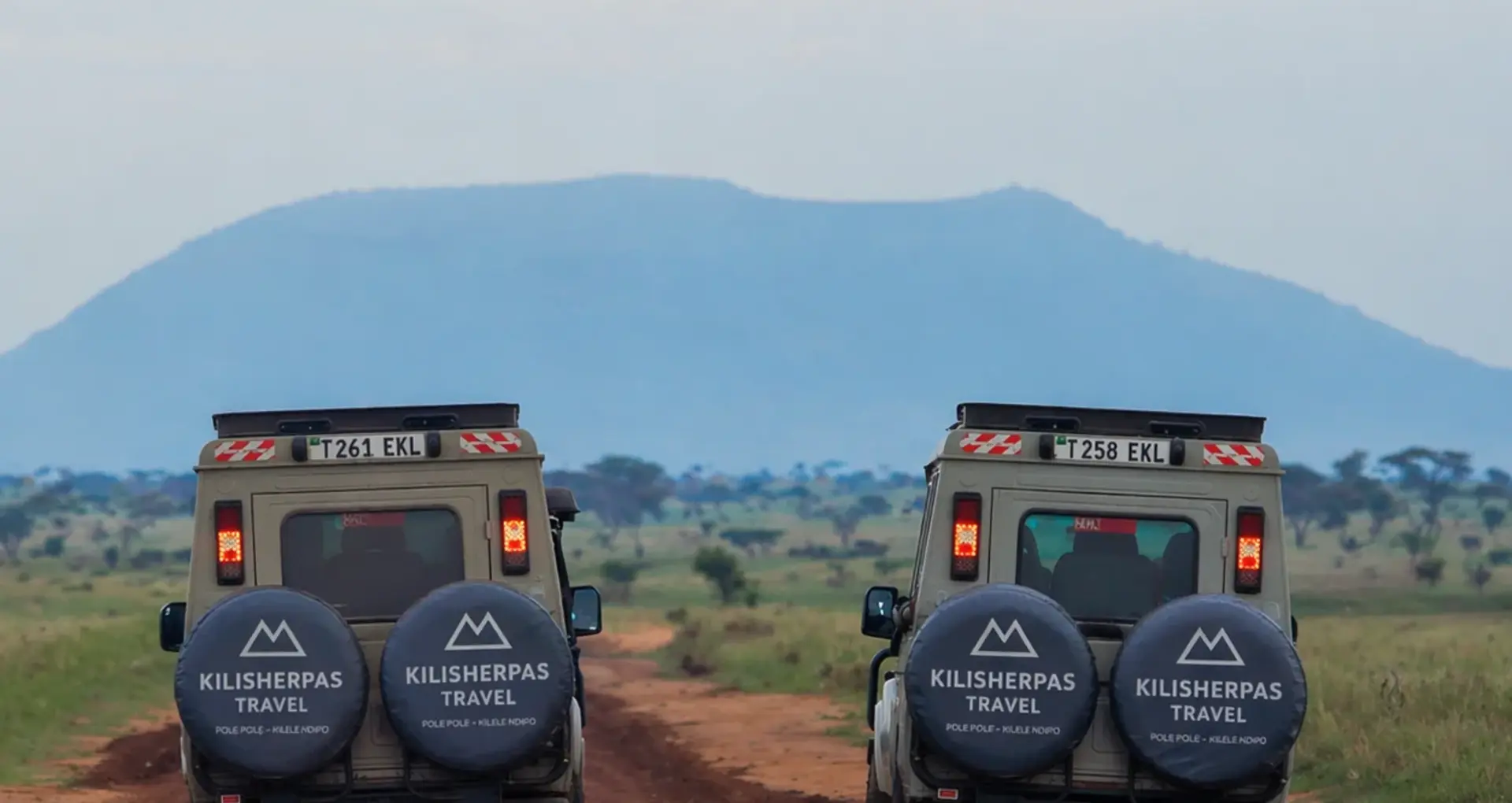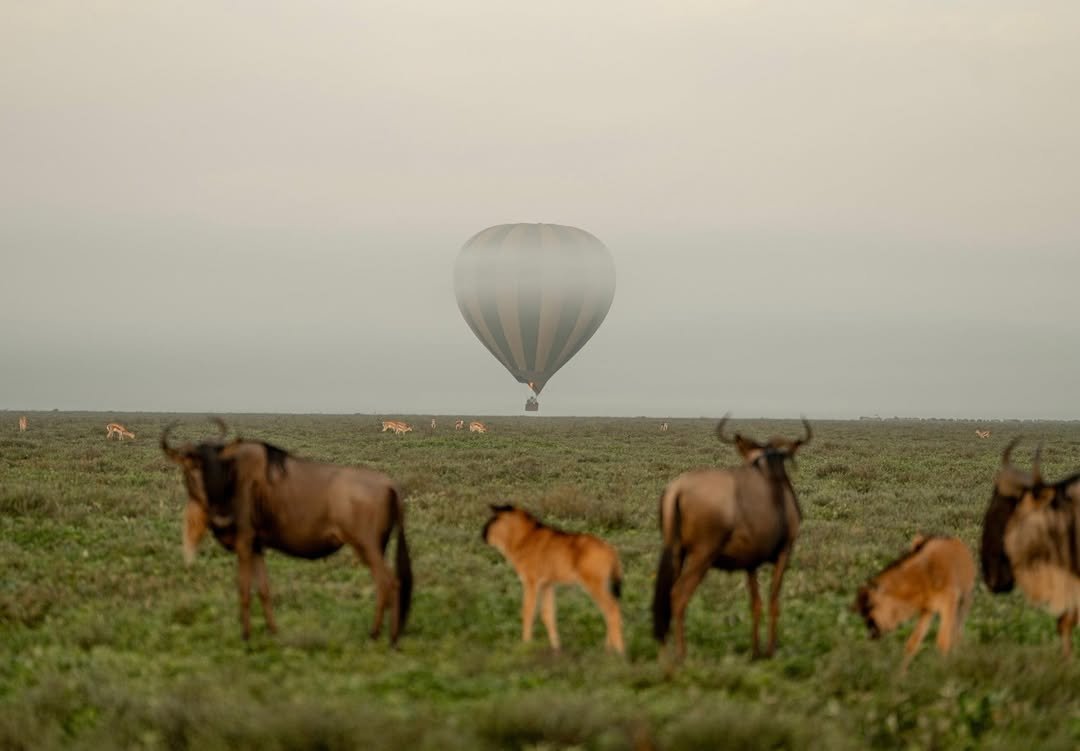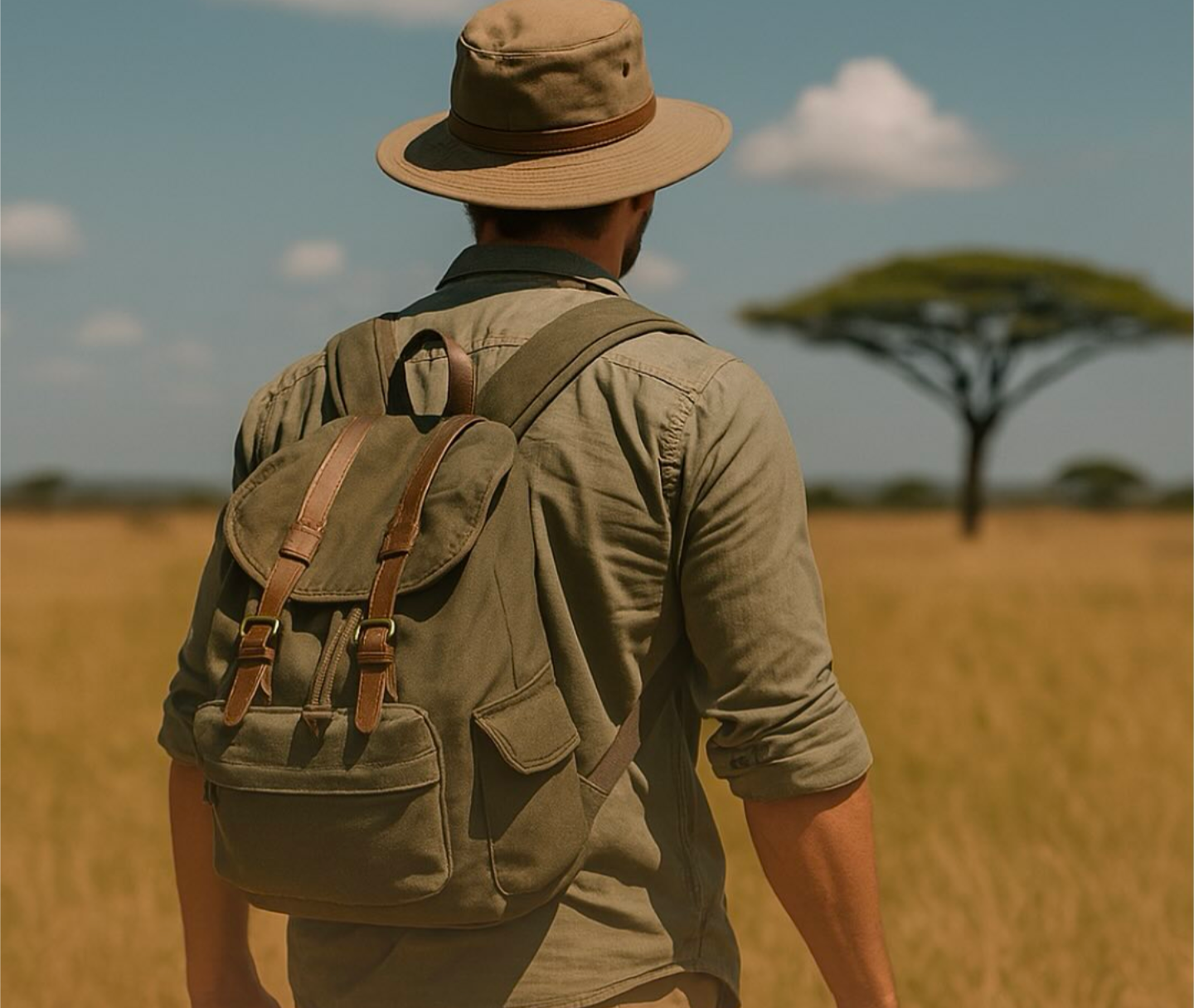
Planning your first safari in Tanzania is incredibly exciting but there are several important things many travelers only discover once they’re already out in the vast savannah. At Kilisherpas Travel, we’ve guided thousands of guests through Tanzania’s iconic landscapes, and here’s what we truly wish every traveler knew before they arrive.
Tanzania Is Safer Than You Think
Safety is often one of the top concerns for first-time safari travelers, yet Tanzania remains one of the safest and most well-organized safari destinations in Africa.
Once you’re inside the national parks, your experience is highly structured and secure. You’ll travel with professional guides in well-maintained 4×4 vehicles, stay in carefully selected lodges or camps, and enjoy vast open landscapes that feel wonderfully remote yet protected.
In towns and cities like Arusha or Dar es Salaam, standard travel precautions apply keep valuables secure, use registered taxis or hotel-arranged transport, and avoid walking alone at night in unfamiliar areas. With a reputable operator, your entire journey feels seamless and protected.
There’s a Safari for Every Budget
Many people assume a Tanzania safari is only for luxury travelers, but that’s far from the truth. Tanzania offers excellent safari experiences across all budget levels from affordable group departures to mid-range comfort safaris and ultra-luxury private experiences.
Accommodations range from simple yet comfortable tented camps to high-end lodges with private plunge pools and personalized butler service. No matter your budget, the highlight remains the same: world-class wildlife viewing in some of Africa’s most spectacular ecosystems.
Your Experience Depends Heavily on Your Tour Operator
If there’s one factor that can make or break your safari, it’s the quality of your tour operator and guide.
An exceptional guide doesn’t just drive they track animals, explain behavior, share fascinating ecological insights, and ensure your safety and comfort throughout the day. A poor operator can result in long, unproductive drives, missed sightings, or discomfort.
At Kilisherpas Travel, we prioritize:
Highly experienced, English-speaking guides with deep local knowledge
Well-maintained, comfortable 4×4 safari vehicles with pop-up roofs
Thoughtfully crafted itineraries that maximize wildlife viewing
Personalized service from airport pickup to final departure
Don’t Rush — Give Your Safari Enough Time
One of the most common regrets we hear is trying to squeeze too many parks into too few days. A safari is not about ticking boxes it’s about immersion and patience.
We recommend:
At least 4–7 days for a meaningful first safari
Spending 2–3 nights in each major location
Building in downtime to relax at your lodge or camp
This slower pace leads to better wildlife sightings, more relaxed game drives, and a far more enjoyable overall experience.
Explore Beyond the Famous Parks
While the Serengeti and Ngorongoro Crater are world-famous for good reason, Tanzania has many hidden gems that offer incredible wildlife with fewer crowds.
Consider adding:
Tarangire or Lake Manyara for unique landscapes and walking safaris
Remote southern or western parks for a more exclusive feel
Cultural visits to Maasai communities
These extensions often make your safari feel richer, more diverse, and truly personal.
Packing Right Makes a Huge Difference
Safari clothing is all about practicality and comfort rather than fashion.
What to Pack:
Neutral colors: beige, khaki, olive green, and earth tones
Lightweight, breathable layers for cool mornings and warm afternoons
Comfortable closed-toe shoes or sturdy walking shoes
A good hat, sunglasses, sunscreen, and high-quality insect repellent
What to Avoid:
Bright white or very light colors (show dust instantly)
Dark blue or black clothing (attracts tsetse flies in some areas)
Camouflage patterns (not permitted in Tanzanian national parks)
Don’t forget a good pair of binoculars, a power bank, and a basic first-aid kit with any personal medications.
Bring Some Cash (USD Preferred)
While credit cards are accepted at most lodges, cash remains essential for:
Tipping guides and lodge staff
Small souvenirs and local purchases
Remote areas where card machines may occasionally fail
Bring clean, crisp US Dollar bills (preferably issued after 2009). Small denominations are particularly useful.
Safari Is an Adventure, Not a Resort Holiday
Even in luxury camps, a safari is still very much an adventure in the African wilderness.
Be prepared for:
Limited electricity or Wi-Fi in some remote camps
Wildlife occasionally wandering near your tent or lodge at night
Early morning game drives (often starting before sunrise)
Natural, sometimes unpredictable conditions
Comprehensive travel insurance is essential. Simple habits like drinking only bottled water and using hand sanitizer help keep minor issues at bay.
Wildlife Follows Its Own Schedule
Animals are most active during the cooler hours:
Early morning (around sunrise)
Late afternoon and early evening
Midday is usually quieter, which is why most safaris include morning and afternoon/evening game drives with a rest period in between. Patience and flexibility are key wildlife sightings are never 100% guaranteed, but the more time you spend observing, the more magical moments you’ll experience.
Final Thoughts
A Tanzania safari is one of the most powerful and memorable travel experiences possible. With realistic expectations, proper preparation, and the support of a trusted operator, it becomes far more than just a holiday it becomes a lifelong memory.
At Kilisherpas Travel, we design every safari with care, balancing adventure, comfort, and authenticity so you can fully immerse yourself in the magic of the African wilderness.
Ready to Plan Your Dream Safari?
Let Kilisherpas Travel help you create a perfectly tailored Tanzania safari, whether it’s your first time or you’re returning for another unforgettable journey.
Your African adventure starts here. Contact us today.