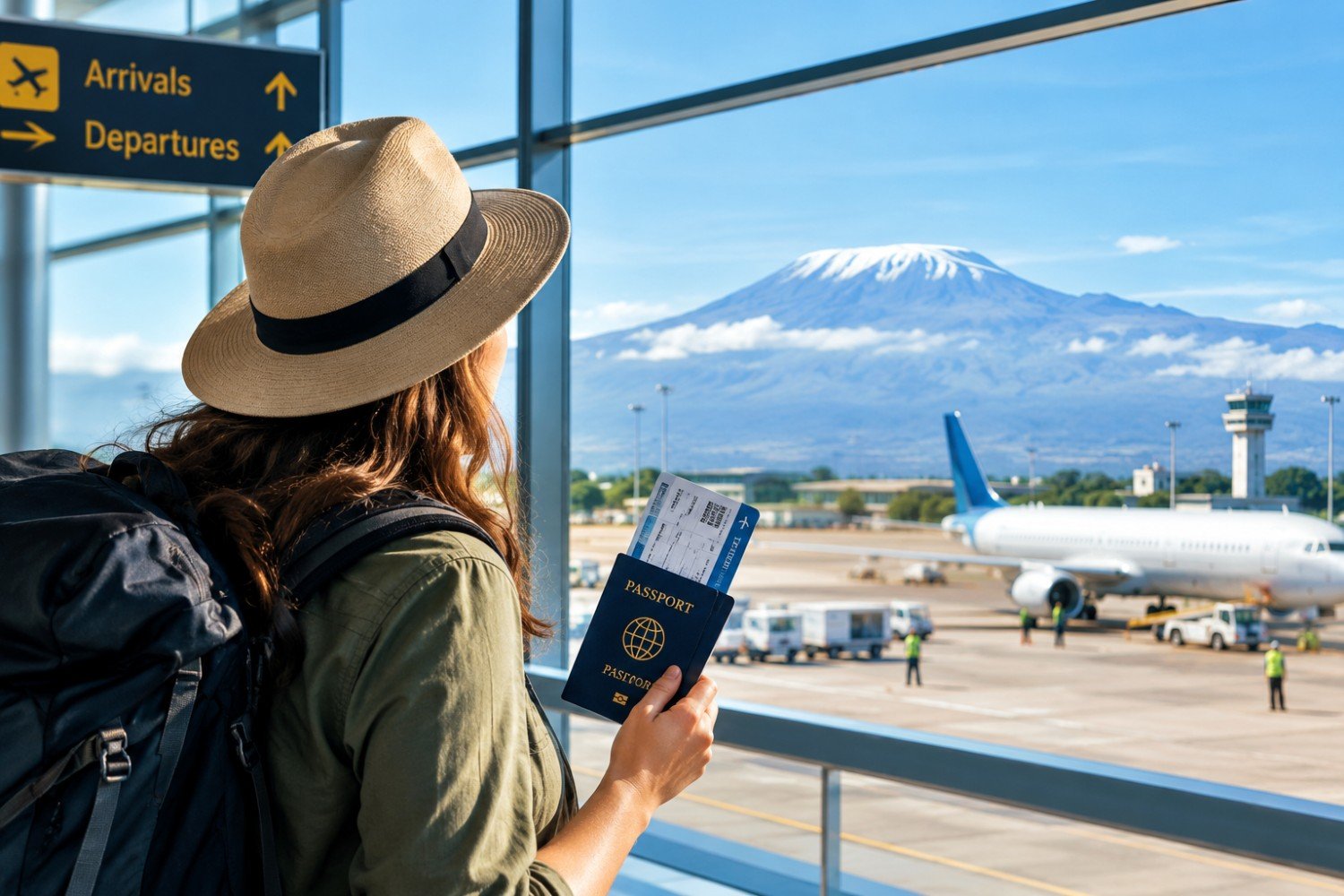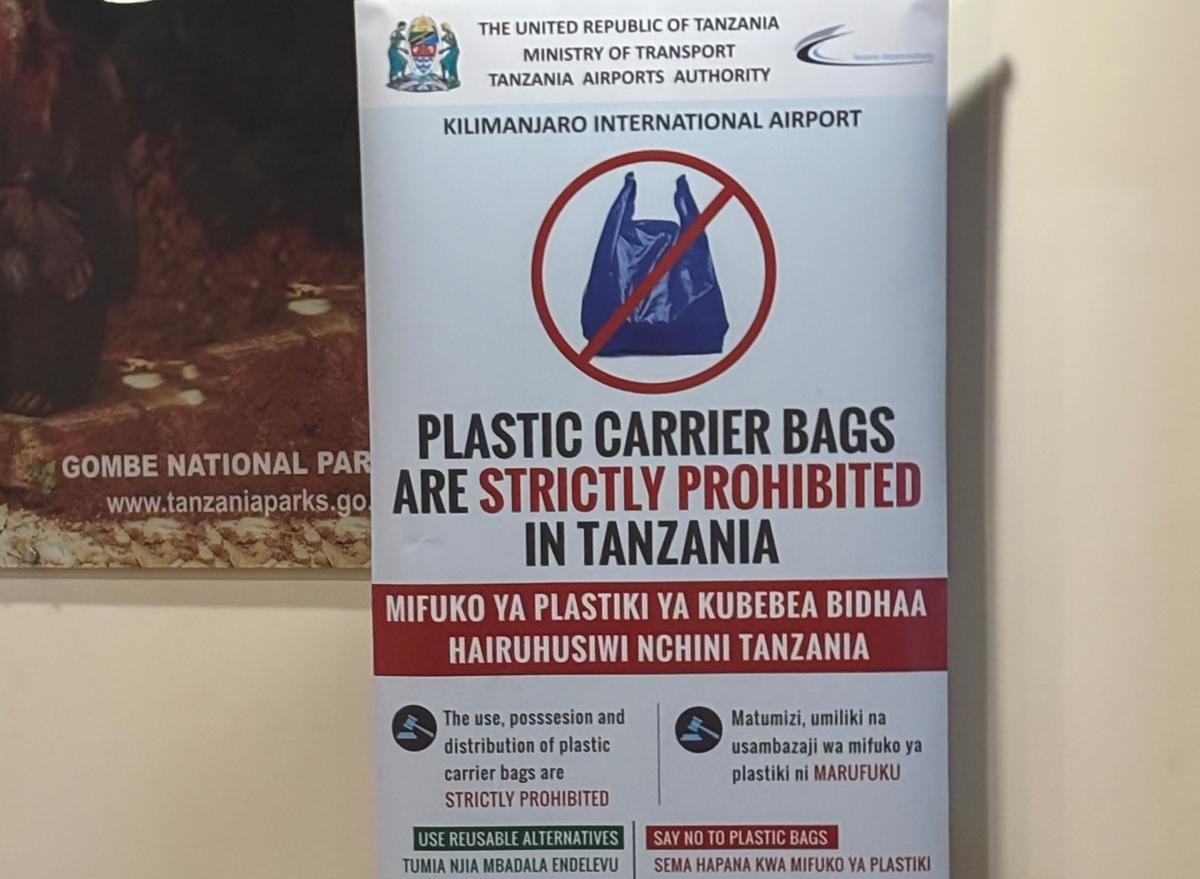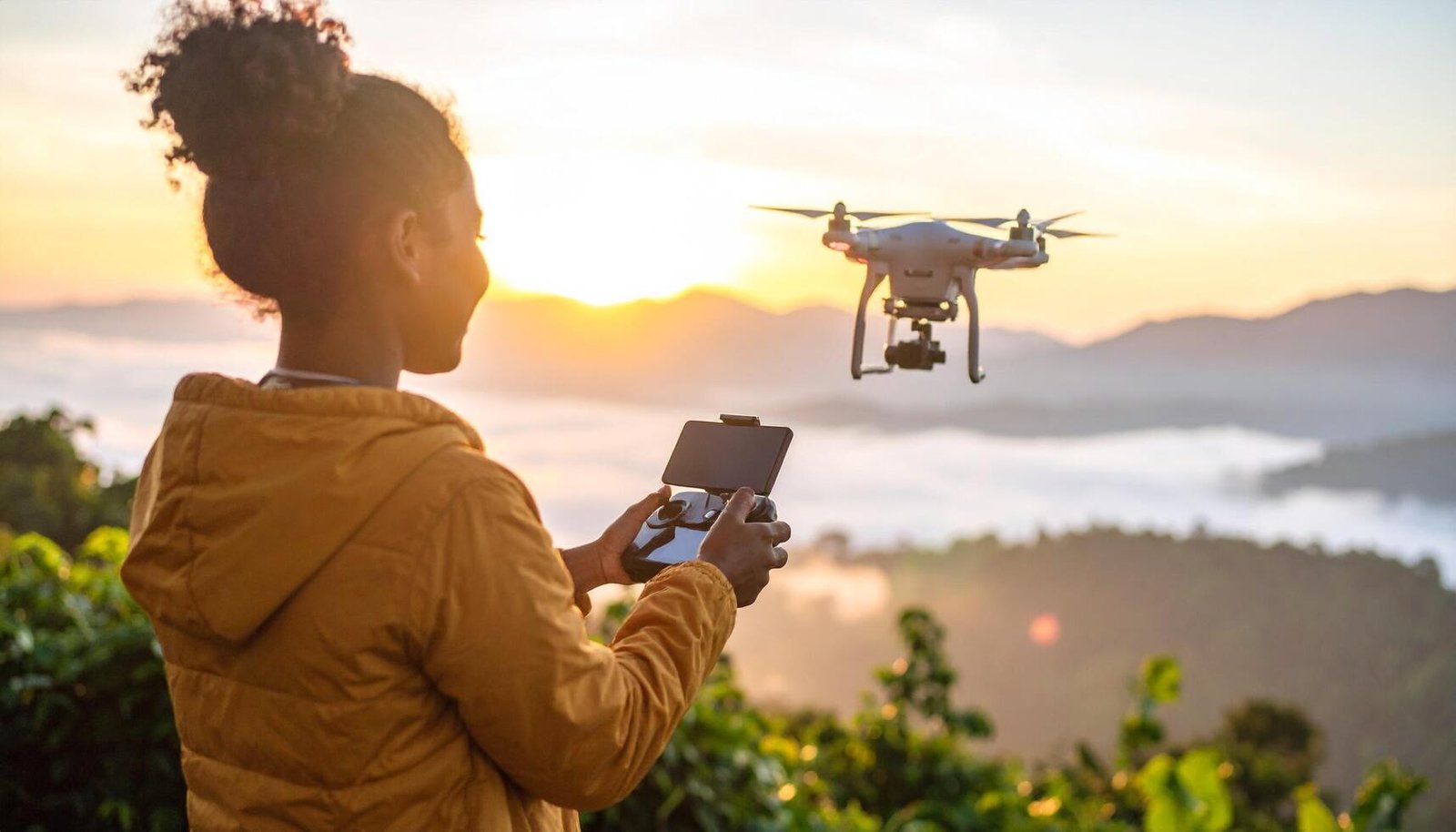
Capturing breathtaking aerial footage of Mount Kilimanjaro, the endless plains of the Serengeti, or the turquoise waters of Zanzibar is a dream for many travelers and filmmakers. However, drone use in Tanzania is strictly regulated to protect wildlife, ensure aviation safety, and maintain national security.
At Kilisherpas Travel, we regularly assist clients with drone permits for professional filming and personal projects. Here is the most up-to-date 2026 guide to help you understand the laws and navigate the process successfully.
Is Drone Flying Allowed in Tanzania?
Yes — but only with proper permits. Unauthorized drone use is illegal and strictly enforced.
Without authorization:
Your drone may be confiscated at the airport or border.
Rangers may seize it inside national parks or conservation areas.
You risk significant fines, legal penalties, and potential issues for your tour operator.
There is no legal way to operate a drone in Tanzania without the required approvals.
Who Regulates Drone Use?
Multiple authorities oversee drone operations:
Tanzania Civil Aviation Authority (TCAA) — Handles registration, import, and operation permits.
Tanzania Film Board — Required for any filming (personal or commercial).
Tanzania National Parks Authority (TANAPA) — Additional approval and daily fees for national parks.
Ministry of Defense and National Service — Security clearance, especially for foreigners.
Ngorongoro Conservation Area Authority (NCAA) — Separate process for Ngorongoro.
Important note: Only drones weighing 7 kg or less are generally permitted. Heavier drones face even stricter (or prohibitive) rules.
Required Permits for Drone Filming
To fly legally, you typically need:
TCAA Import Permit (to bring the drone into the country)
TCAA Operation/Registration Permit
Tanzania Film Board Permit
Ministry of Defense clearance
TANAPA approval (for any national park, including Kilimanjaro)
Estimated Costs (2026)
Drone filming in Tanzania is one of the more expensive activities due to multiple layered permits. Total costs often start from $3,000–$7,000+ USD, depending on:
Duration of your trip
Locations (national parks vs. private land)
Whether the project is personal or commercial
Processing speed (standard vs. expedited)
Key Permit Breakdown:
Tanzania Film Board: $1,000 (standard 30-day processing) or $3,000 (expedited 7-day processing).
TCAA Registration & Operation: $100–$300+ for registration/import, plus daily/weekly operation fees (typically $10–$20 per day depending on drone weight and duration).
TANAPA Filming Fees (per day, per operator/crew): – $300 in Serengeti and Nyerere National Parks – $250 in Kilimanjaro and most other parks – $180 in Gombe and Mahale Mountains
Ministry of Defense: May require an accompanying officer ($100+ per day allowance, plus accommodation and meals).
Additional costs include logistics, park entry fees, and any VAT.
Special Restrictions
Ngorongoro Crater/Conservation Area
Drone use is generally prohibited or extremely difficult to approve. Permits are rarely granted except for major documentaries or large-scale tourism promotion projects. Personal or social media filming is almost never allowed.
National Parks Rules (if permitted):
Maintain a minimum flying height (often 50–120 meters, subject to TCAA rules).
Fly only within Visual Line of Sight (VLOS).
Avoid disturbing wildlife, especially during river crossings or near sensitive areas.
Do not fly near tourists or crowds.
A park ranger or officer may need to accompany you.
Prohibited Areas:
Airports, military zones, government buildings, hospitals, prisons.
Public gatherings without special permission.
Over people or large crowds.
In Cities and Hotels:
Additional local police or authority approval may be needed.
Always obtain written permission from hotel management before filming on or around property.
Processing Time
Standard processing: 1–3 months (recommended to apply at least 3 months in advance).
Expedited: 4–8 weeks (with higher fees).
Early planning is critical. TCAA applications should ideally be submitted at least one month before arrival.
What Happens If You Bring a Drone Without Permits?
Enforcement is strict. You may face:
Immediate confiscation at immigration or airport.
Fines and possible legal action.
Permanent loss of equipment.
Disruption or cancellation of your tour.
Avoiding detection is extremely difficult, especially in national parks.
Why Are the Rules So Strict?
Tanzania’s regulations protect:
Wildlife from disturbance (especially during migration or breeding).
The authentic safari and trekking experience for all visitors.
National security and sensitive infrastructure.
Can You Apply for Permits Yourself?
Technically yes, but the process involves multiple government offices, detailed documentation (drone specs, pilot credentials, flight plans, insurance, project description), and in-person or courier coordination. Success rates are significantly higher when working with an experienced local operator.
How Kilisherpas Travel Can Help
We specialize in coordinating drone permits for our clients, whether for professional productions or passionate travelers wanting epic footage of their Kilimanjaro climb or safari.
Our support includes:
Accurate budget estimation within 24 hours
Preparation and submission of all required documents
Coordination with TCAA, Tanzania Film Board, TANAPA, and Ministry of Defense
Logistical support during your trip (including any required escorts)
Full compliance so you can focus on capturing incredible shots
Simply share your drone model, travel dates, intended locations, and project details with us for personalized guidance.
Final Advice
Drone filming in Tanzania delivers truly unique perspectives — but only when done legally. Strict rules and costs mean it’s best suited for serious projects or travellers willing to invest in proper preparation.
With professional assistance and advance planning, you can capture safe, legal, and spectacular aerial footage that complements your Tanzania adventure.
At Kilisherpas Travel, we make complex logistics simple. Whether you’re planning a Kilimanjaro trek, safari, or Zanzibar extension with drone filming, our team ensures everything runs smoothly and compliantly.
📩 Contact Kilisherpas Travel today to discuss your drone project and receive a customized permit assistance plan for 2026.