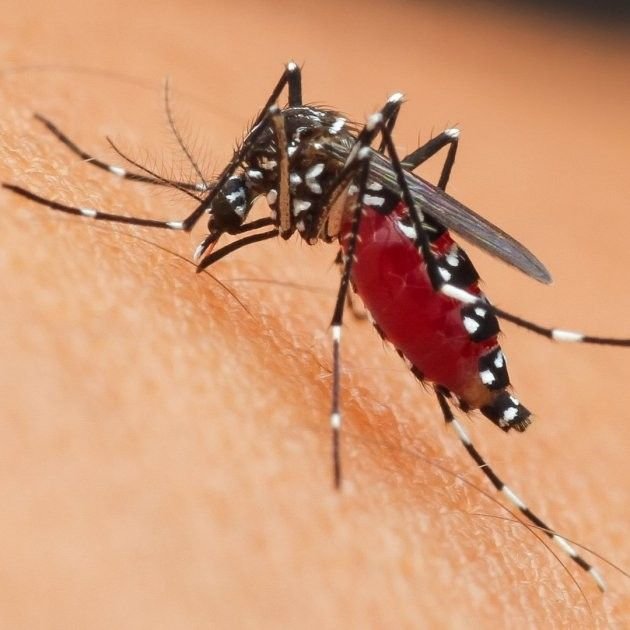
Going on an African safari is one of the most exciting travel experiences in the world. However, it also comes with one important challenge: insects, especially mosquitoes. Besides being irritating, mosquito bites in Tanzania and other safari destinations can pose serious health risks, including malaria.
The good news is that with the right preparation and habits, you can significantly reduce your chances of being bitten and enjoy a safe, comfortable safari experience.
1. Use a Strong and Reliable Insect Repellent
One of the most effective ways to protect yourself is by using a quality insect repellent. Mosquitoes are attracted to body heat, sweat, and natural body odours, so applying repellent creates a protective barrier on exposed skin.
The most effective repellents usually contain DEET as an active ingredient. However, some travellers prefer natural alternatives that include citronella, eucalyptus oil, rosemary oil, or pyrethrins. These options are considered more environmentally friendly and are often recommended for children and sensitive skin.
While natural repellents are safer for some users, they may not be as strong as DEET-based products, especially in high-risk malaria areas like Tanzania’s national parks.
2. Wear Protective Clothing
Clothing plays a major role in preventing insect bites during safari activities.
It is recommended to wear:
Long-sleeved shirts and long trousers
Thick, tightly woven fabrics
Light-colored clothing to avoid attracting insects
Socks and closed shoes, with trousers tucked in when possible
Proper clothing reduces exposed skin and makes it harder for mosquitoes and other biting insects to reach you.
3. Be Mindful of Food and Body Scent
Few travellers know that mosquitoes are also attracted to what you eat and how you smell.
To reduce attraction:
Limit sugary foods and drinks during safari activities
Avoid excessive refined carbohydrates like bread and pastries
Reduce the use of strong perfumes, deodorants, and aftershaves
Sweet smells and fermentation-related scents can increase insect activity around you, especially during evenings and nights.
4. Use Mosquito Nets for Sleeping Protection
Mosquitoes are most active during dawn and dusk, which are also common resting times in safari camps. A mosquito net is therefore essential for safe sleep.
Most safari lodges and camps in Tanzania provide mosquito nets, but it is important to ensure they are properly set up before sleeping. For extra protection, nets can also be treated with insect repellent spray.
5. Avoid Excessive Light and Open Flames
Insects are naturally attracted to light sources. Bright lamps, open lanterns, and campfires can increase insect activity around your accommodation area.
To minimise bites:
Keep lighting low in your tent or lodge at night
Avoid sitting directly near bright lights
Be cautious around open fires in the evening
While campfires are part of the safari experience, they should be managed carefully in insect-prone environments.
6. Take Preventive Health Measures
Before traveling to Tanzania, it is strongly recommended to consult a healthcare provider about anti-malaria medication. Prevention is always better than treatment, especially in tropical regions where malaria is present.
You should also carry basic first aid supplies and be aware of local health recommendations before your safari begins.
Conclusion
Avoiding insect bites on safari is all about preparation and awareness. By using repellents, wearing the right clothing, managing scents, and sleeping under mosquito nets, you can significantly reduce your risk and enjoy your safari experience without discomfort.
A Tanzania safari should be about breathtaking wildlife, stunning landscapes, and unforgettable adventures – not insect worries. With the right precautions, your journey will be both safe and enjoyable.