Tanzania’s vast landscapes are home to some of Africa’s most iconic safari destinations, including the Serengeti, Ngorongoro Crater, Tarangire, and Ruaha. When planning your safari, one of the most important logistical decisions is how to travel between these parks.
Choosing between flying and driving depends on your budget, available time, and overall travel preferences. This guide outlines the advantages and limitations of each option to help you make an informed decision.
1: Flying Between Safari Parks
How It Works
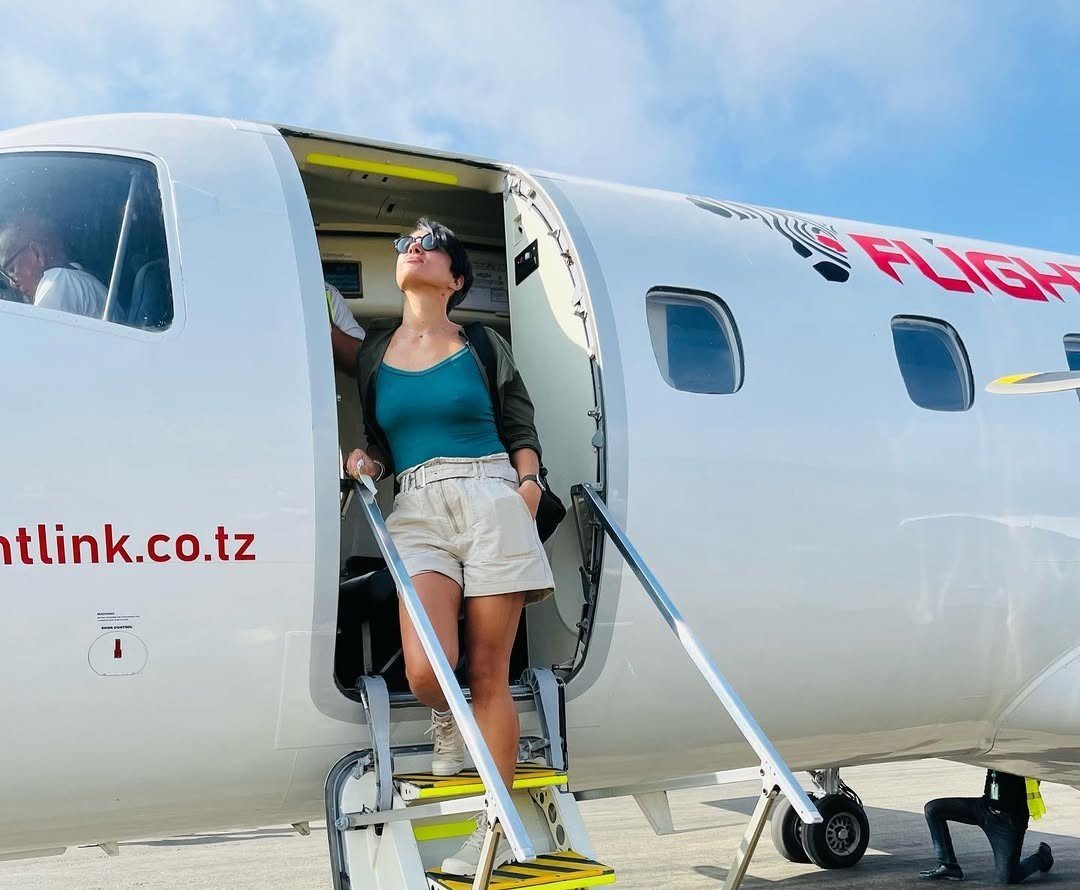
Domestic flights on small aircraft connect major safari destinations from hubs such as Arusha, Dar es Salaam, and Zanzibar. These scheduled or charter flights provide direct access to airstrips داخل or near national parks.
Advantages
Time efficiency
Flights significantly reduce travel time. For example, a journey from Arusha to the Serengeti takes approximately one hour by air compared to six to eight hours by road.
Aerial views
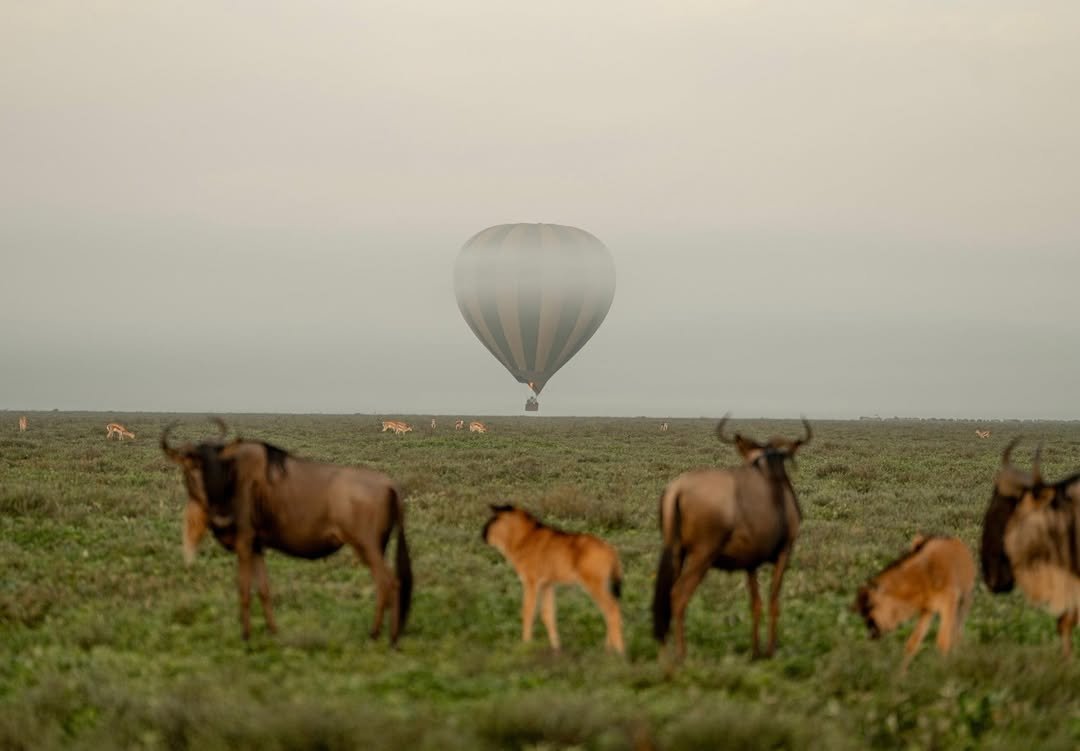
Flying offers unique perspectives of Tanzania’s landscapes, including the Great Rift Valley and expansive savannas.
Reduced fatigue
Avoiding long road transfers allows you to arrive refreshed and ready for game drives.
Access to remote destinations
Parks such as Ruaha, Nyerere, and Mahale Mountains are more easily reached by air.
Maximized safari time
You can begin your activities shortly after arrival instead of spending a full day in transit.
Limitations
Higher cost
Flights are significantly more expensive than road transfers, especially for multiple destinations.
Luggage restrictions
Most airlines limit baggage to 15 kg in soft-sided bags.
Limited flexibility
Flights operate on fixed schedules and may not align perfectly with your itinerary.
Weather-related delays
Flight schedules can be affected by weather conditions, particularly during the rainy season.
Option 2: Driving Between Safari Parks
How It Works
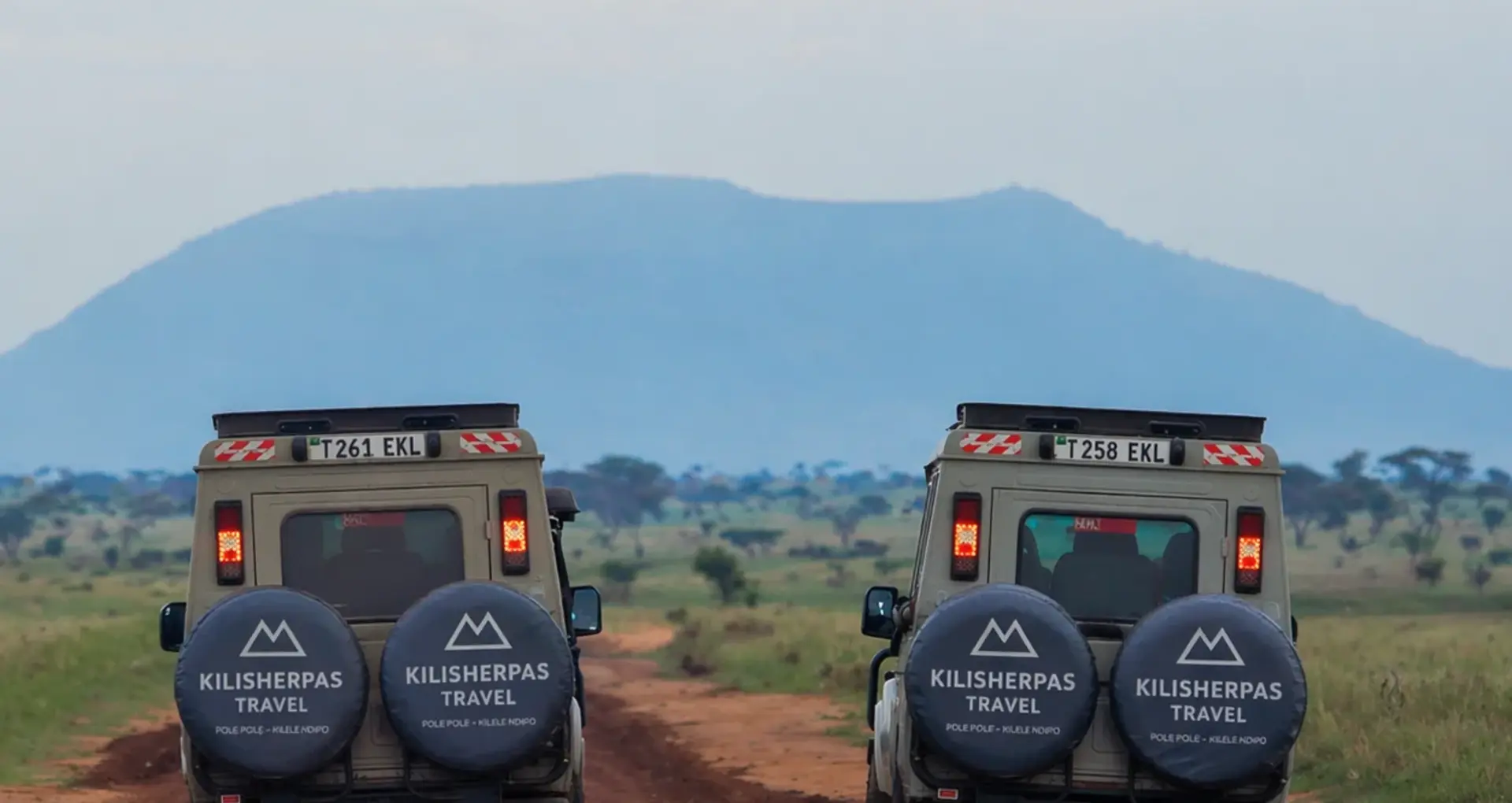
Travel is conducted in a 4×4 safari vehicle, typically with a professional driver-guide. Road transfers often double as game drives, particularly within the Northern Circuit.
Advantages
Cost-effective
Driving is generally more affordable, especially for groups sharing a vehicle.
Continuous wildlife viewing
Game viewing can begin immediately, with opportunities to spot animals along the الطريق.
Flexibility
You can stop for photography, rest, or cultural visits at any time.
Cultural experience
Driving allows you to pass through local communities, villages, and markets, providing insight into daily life in Tanzania.
No luggage limitations
You can travel with more equipment without strict weight restrictions.
Limitations
Long travel times
Road journeys can range from four to ten hours or more, depending on the route.
Road conditions
Some roads are rough, dusty, or muddy, which can affect comfort.
Physical fatigue
Extended travel times can be tiring, particularly over multiple days.
Limited access to remote parks
Certain destinations are impractical to reach by road within a reasonable timeframe.
Side-by-Side Comparison
Feature | Flying | Driving |
|---|---|---|
Travel Time | 1–2 hours | 4–10+ hours |
Cost | Higher | More affordable |
Comfort | Smooth but compact aircraft | Longer, sometimes rough journeys |
Scenery | Aerial landscapes | Ground-level wildlife and scenery |
Wildlife Viewing | Begins upon arrival | Possible throughout the journey |
Cultural Experience | Limited | Extensive |
Luggage | Restricted | Flexible |
Flexibility | Fixed schedules | High flexibility |
Which Option Is Best for You?
Flying is ideal if you:
Have limited time
Prefer comfort and efficiency
Plan to visit remote parks
Want to maximize time on game drives
Driving is ideal if you:
Are traveling on a budget
Enjoy road trips and scenic journeys
Want cultural interaction
Prefer a more immersive experience
The Best Approach: Combining Both
Many travelers choose a combination of flying and driving to balance cost, comfort, and experience.
For example:
Drive through the Northern Circuit (Arusha, Tarangire, Ngorongoro, Serengeti)
Fly from the Serengeti back to Arusha or Zanzibar
This approach allows you to experience both the journey and the convenience of air travel.
Conclusion
Both flying and driving offer unique advantages when exploring Tanzania’s safari destinations. The right choice depends on your priorities, whether that is saving time, reducing costs, or experiencing the journey in depth.
A well-planned itinerary can combine both options to create a seamless and rewarding safari experience.
At Kilisherpas Travel, we help you design personalized safari itineraries that match your travel style, ensuring efficient logistics and unforgettable wildlife experiences.