Tanzania is world-famous for its breathtaking landscapes, diverse wildlife, and rich cultural heritage. While traditional safaris bring millions of visitors each year, community-based tourism (CBT) is emerging as a powerful way to ensure that tourism directly benefits local communities. This sustainable approach is transforming lives by creating jobs, preserving cultural traditions, and promoting environmental conservation.
But what exactly is community-based tourism, and how is it making an impact in Tanzania? Let’s explore.
What is Community-Based Tourism (CBT)?
Community-based tourism (CBT) is a sustainable travel model where local people manage, operate, and benefit from tourism activities. It emphasizes authentic cultural experiences, fair economic distribution, and environmental stewardship.
In Tanzania, CBT is flourishing in Maasai villages, rural communities, and coastal fishing towns, offering visitors meaningful connections while ensuring that locals reap the benefits of tourism.
5 Ways Community-Based Tourism is Transforming Lives in Tanzania
1. Creating Employment and Economic Opportunities
CBT is a powerful tool for poverty reduction, providing direct employment opportunities in hospitality, guiding, handicrafts, and cultural performances.
Success Stories:
The Olpopongi Maasai Cultural Village in West Kilimanjaro offers immersive Maasai experiences while ensuring that all profits support local families.
Women’s cooperatives in areas like Mto wa Mbu and Arusha are thriving by selling handmade jewelry, textiles, and carvings to tourists.
Impact:
More than 60% of tourism revenue in some communities now stays local, funding schools, healthcare, and infrastructure.
2. Preserving Cultural Heritage
With globalization threatening indigenous traditions, CBT plays a crucial role in preserving Tanzania’s rich cultural identity.
Success Stories:
The Hadzabe and Datoga tribes near Lake Eyasi offer visitors a chance to experience hunting, blacksmithing, and storytelling traditions, helping safeguard their way of life.
In Zanzibar, Swahili cultural tours showcase traditional architecture, cuisine, and music, passing knowledge to future generations.
Impact:
Communities now have a renewed sense of pride in their heritage, and younger generations are reconnecting with traditional skills.
3. Supporting Conservation Efforts
Many CBT initiatives are linked to wildlife conservation, helping local people see the value of protecting nature.
Success Stories:
The Ikoma community near Serengeti co-manages a wildlife corridor, receiving tourism revenue in exchange for protecting habitats.
Eco-lodges and walking safaris operated by locals provide alternatives to poaching, showing that conservation can be more profitable than illegal hunting.
Impact:
Wildlife populations have stabilized, and poaching incidents have decreased in areas where local communities directly benefit from conservation.
4. Empowering Women and Youth
Women and young people have traditionally had limited economic opportunities in rural Tanzania. CBT is changing that dynamic by offering training, leadership roles, and financial independence.
Success Stories:
Sangana Cultural Tourism Enterprise trains young women in culinary arts and tour guiding, enabling them to lead food tours and traditional cooking classes.
In Zanzibar, women-run spice farms are gaining global recognition for their sustainable practices.
Impact:
Women now own businesses, earn fair wages, and gain financial independence through tourism initiatives.
5. Encouraging Responsible Travel and Deeper Cultural Exchange
CBT offers meaningful travel experiences, allowing visitors to connect with locals, support ethical businesses, and learn about Tanzanian life beyond the typical safari.
Success Stories:
Homestays in Mto wa Mbu, Karatu, and the Usambara Mountains give travelers the chance to experience rural Tanzanian life, participate in farming, coffee-making, and local ceremonies.
Impact:
Tourists spend more time in local villages, helping to spread tourism benefits beyond national parks and luxury lodges.
How You Can Support Community-Based Tourism in Tanzania
If you’re planning a trip to Tanzania, here’s how to be a responsible traveller and support community-led initiatives:
Stay in community-run lodges that are locally owned or contribute to conservation.
Book cultural experiences such as local markets, traditional villages, and community-led safaris.
Shop local by buying handcrafted souvenirs, coffee, and textiles directly from Tanzanian artisans.
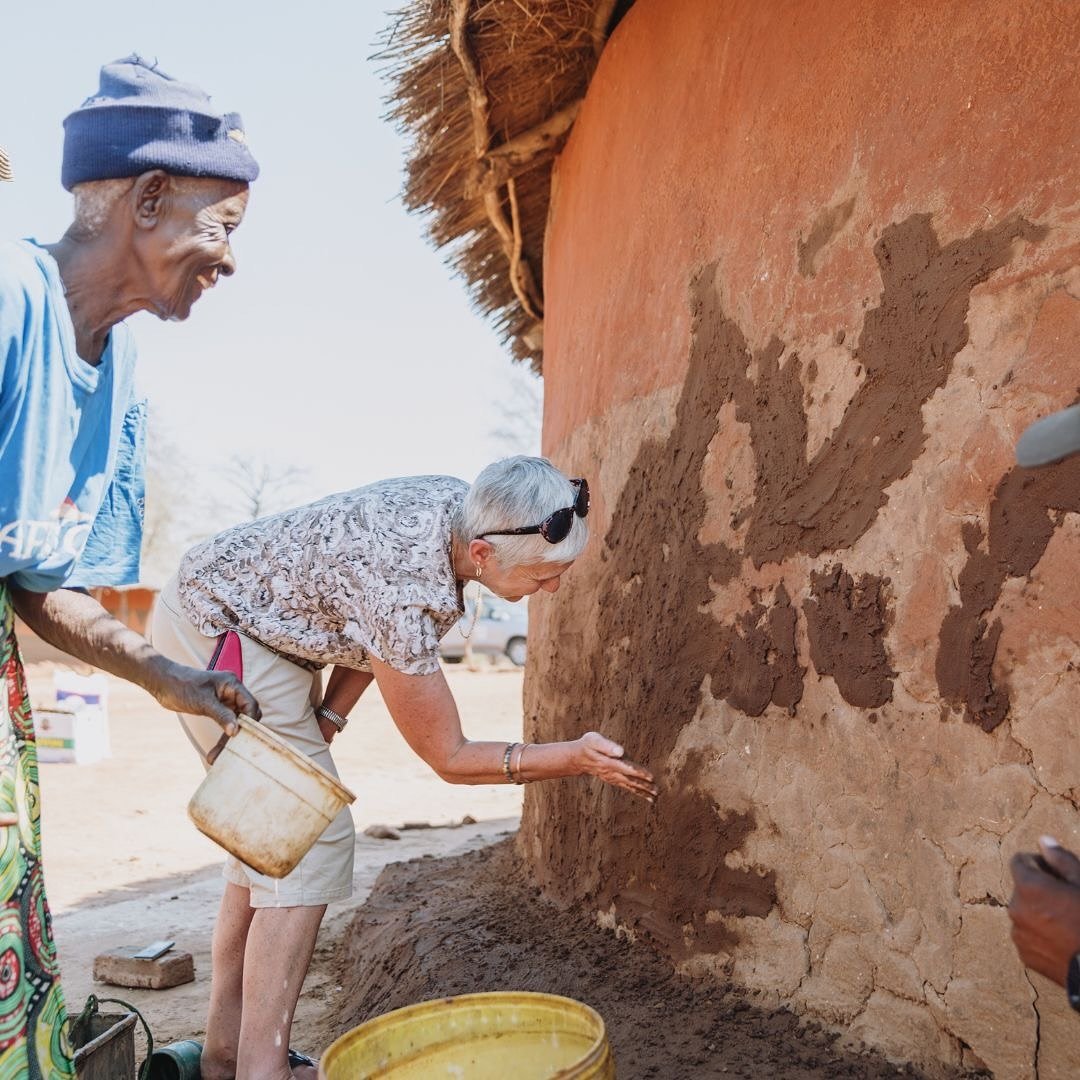
Take part in workshops, language classes, and cultural tours for an authentic experience.
Share your experience to encourage ethical travel choices among friends and family.
The Future of Community-Based Tourism in Tanzania
With growing interest in sustainable and ethical travel, Tanzania’s CBT sector has immense potential. By empowering locals, preserving cultures, and protecting nature, CBT ensures that tourism truly benefits everyone, not just big businesses.
Travel responsibly and choose experiences that support local communities. Every visit helps transform lives.