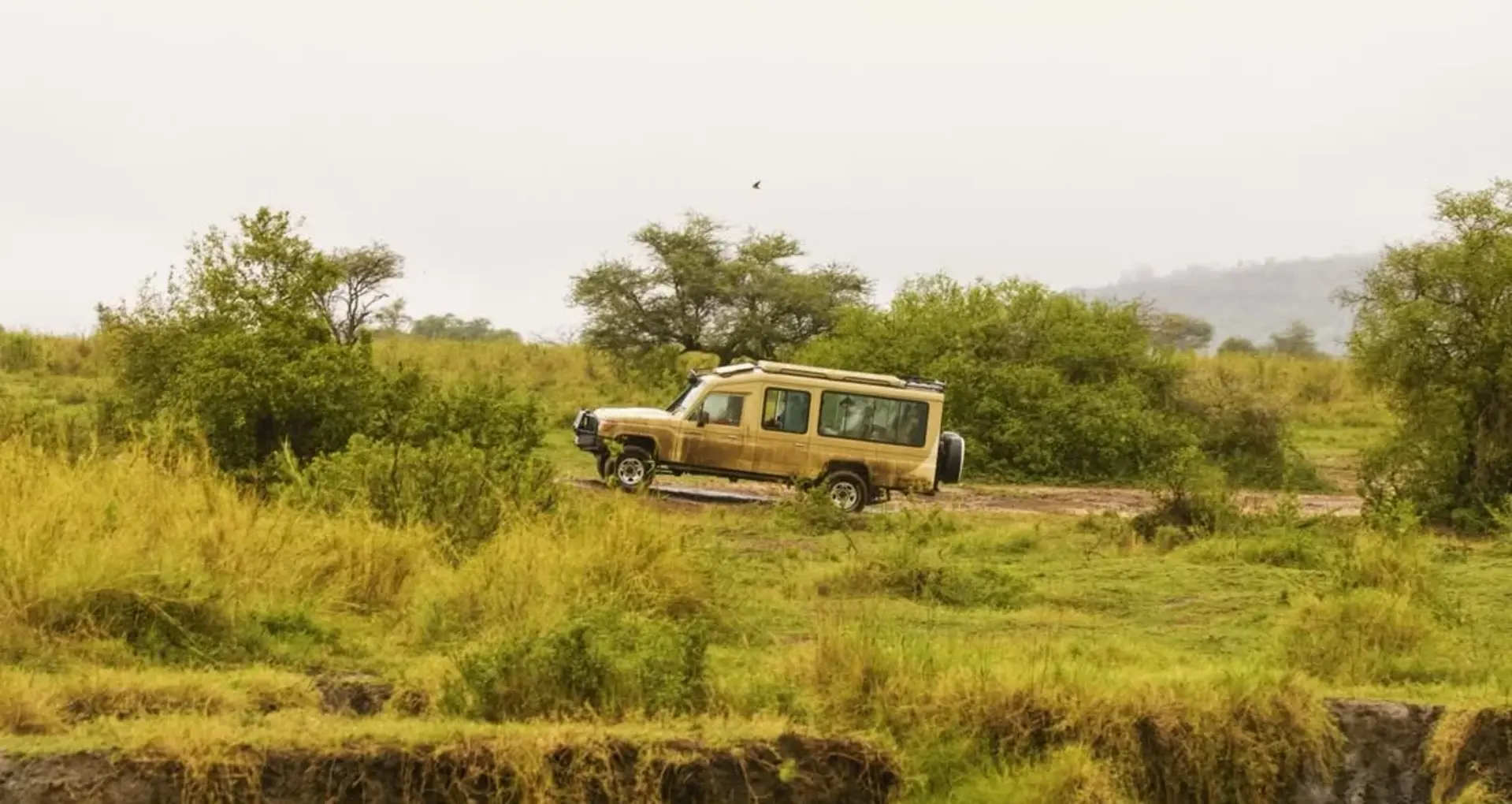
Tanzania, home to the Serengeti, Mount Kilimanjaro, and Zanzibar, is one of Africa’s most breathtaking travel destinations. However, as tourism grows, so does its impact on the environment, wildlife, and local communities. Sustainable tourism ensures that Tanzania’s natural wonders remain intact for future generations while also benefiting local people.
why sustainable tourism is crucial in Tanzania
Here’s why sustainable tourism is crucial in Tanzania and how travellers can make a positive difference.
1. Protecting Wildlife & Natural Habitats
Tanzania boasts world-famous national parks, including the Serengeti, Ngorongoro Crater, and Selous Game Reserve, which are home to the Big Five and countless other species. However, increased human activity, poaching, and habitat destruction threaten these ecosystems.
How Sustainable Tourism Helps:
Supports conservation efforts – National park fees contribute to anti-poaching patrols and habitat restoration.
Encourages responsible game viewing – Ethical safari operators follow strict wildlife guidelines to avoid disturbing animals.
Reduces human-wildlife conflict – Sustainable tourism supports wildlife corridors that allow animals to move freely.
Traveller Tip: Choose eco-friendly lodges that invest in wildlife conservation, such as Singita Grumeti or Asilia Africa.
2. Supporting Local Communities
Tourism is one of Tanzania’s biggest industries, providing jobs and income for thousands of people. Mass tourism, however, can sometimes exploit local workers or fail to benefit nearby villages.
How Sustainable Tourism Helps:
Creates fair-pay jobs – Ethical safari companies ensure fair wages for guides, drivers, and lodge staff.
Invests in local development – Community-based tourism projects support schools, healthcare, and clean water initiatives.
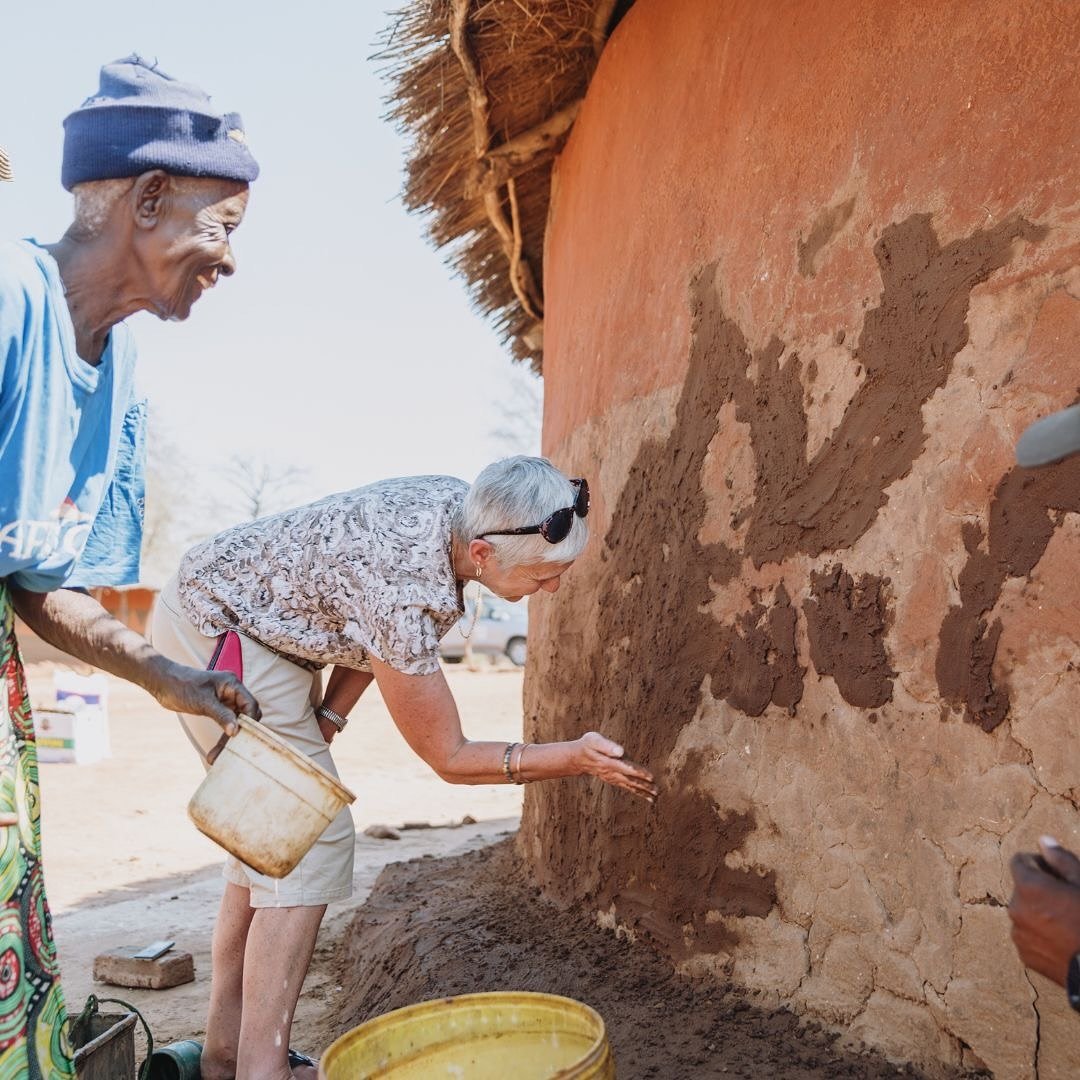
Encourages cultural preservation – Sustainable tourism allows visitors to engage in authentic cultural experiences without exploitation.
Traveller Tip: Visit Maasai villages through responsible tour operators that give back to the community.
3. Minimizing Environmental Impact
Luxury lodges, safari camps, and hotels can leave a significant ecological footprint through energy use, waste production, and water consumption.
How Sustainable Tourism Helps:
Promotes eco-lodges and tented camps – Many high-end safari camps now use solar power, rainwater collection, and plastic-free policies.
Reduces plastic waste – Some safari operators provide refillable water bottles instead of single-use plastic.
Encourages low-impact travel – Walking safaris, cycling tours, and hot air balloon rides offer eco-friendly ways to explore.
Traveller Tip: Choose carbon-neutral lodges like Nomad Tanzania, which actively offsets emissions.
4. Ethical Wildlife Tourism & Conservation
Wildlife exploitation is a major concern, with some attractions offering harmful interactions such as lion cub petting or elephant rides.
How Sustainable Tourism Helps:
Discourages unethical animal encounters – Ethical tourism rejects practices that harm or exploit wildlife.
Supports wildlife sanctuaries – Donations and visits to legitimate rescue centres help injured or orphaned animals.
Funds anti-poaching efforts – Tourism revenue helps finance ranger patrols and conservation programmes.
Traveller Tip: Avoid activities that allow direct contact with wild animals. Visit protected areas like the Ngorongoro Conservation Area where wildlife roams freely.
5. Promoting Sustainable Food & Culture
Tanzania’s cuisine is rich in locally sourced ingredients like fresh seafood, organic vegetables, and traditional grains. Some luxury lodges import foods, increasing their carbon footprint.
How Sustainable Tourism Helps:
Supports farm-to-table dining – Eco-lodges source ingredients from local farmers and fishermen.
Preserves traditional dishes – Tourists experience authentic Tanzanian flavours such as ugali, nyama choma, and Zanzibar’s seafood.
Encourages ethical dining practices – sustainable lodges use zero-waste kitchens and composting systems.
Traveller Tip: Try a bush dinner experience that features local, organic ingredients and supports nearby farms.
How You Can Travel Sustainably in Tanzania
Stay in eco-friendly lodges with green certifications.
Choose ethical tour operators promoting responsible wildlife tourism.
Limit plastic use by carrying reusable water bottles and tote bags.
Respect local cultures and support Maasai and Hadzabe communities through ethical tours.
Offset your carbon footprint through programmes offered by safari companies.
Travel Responsibly, Leave a Positive Impact
By choosing sustainable tourism, you’re helping protect Tanzania’s wildlife, landscapes, and communities while enjoying an unforgettable safari experience. Responsible travel ensures that future generations can continue to experience the magic of this incredible country.