Filming a wildlife documentary on safari in Tanzania is a rewarding yet demanding experience. From the expansive plains of the Serengeti to the wildlife-rich Ngorongoro Crater, every moment presents an opportunity to capture compelling stories from the natural world.
In this guide by Kilisherpas Travel, we outline the essential steps from planning and equipment to filming techniques and ethical practices to help you produce high-quality wildlife footage.
1. Plan Your Documentary Before You Go
Define Your Story
Start by identifying the focus of your documentary. This could include:
The Big Five
Predator-prey dynamics
A specific species or habitat
Conservation challenges and environmental awareness
A clear narrative direction will guide your filming decisions and improve storytelling.
Choose the Right Location
Tanzania offers exceptional filming destinations:
Serengeti National Park – Ideal for the Great Migration and predator activity
Ngorongoro Crater – High concentration of wildlife in a compact area
Ruaha and Nyerere National Parks – Remote and less crowded landscapes
Create a Shot List
Prepare a structured list of shots, including:
Establishing shots (landscapes, sunrise, wide scenes)
Medium shots (animals within their environment)
Close-ups (details, expressions, behavior)
Time-lapse sequences
2. Essential Camera Gear for Wildlife Filming
Camera
DSLR or mirrorless cameras (e.g., Canon R5, Sony A7S III)
Professional cinema cameras (e.g., RED Komodo, Blackmagic)
Lenses
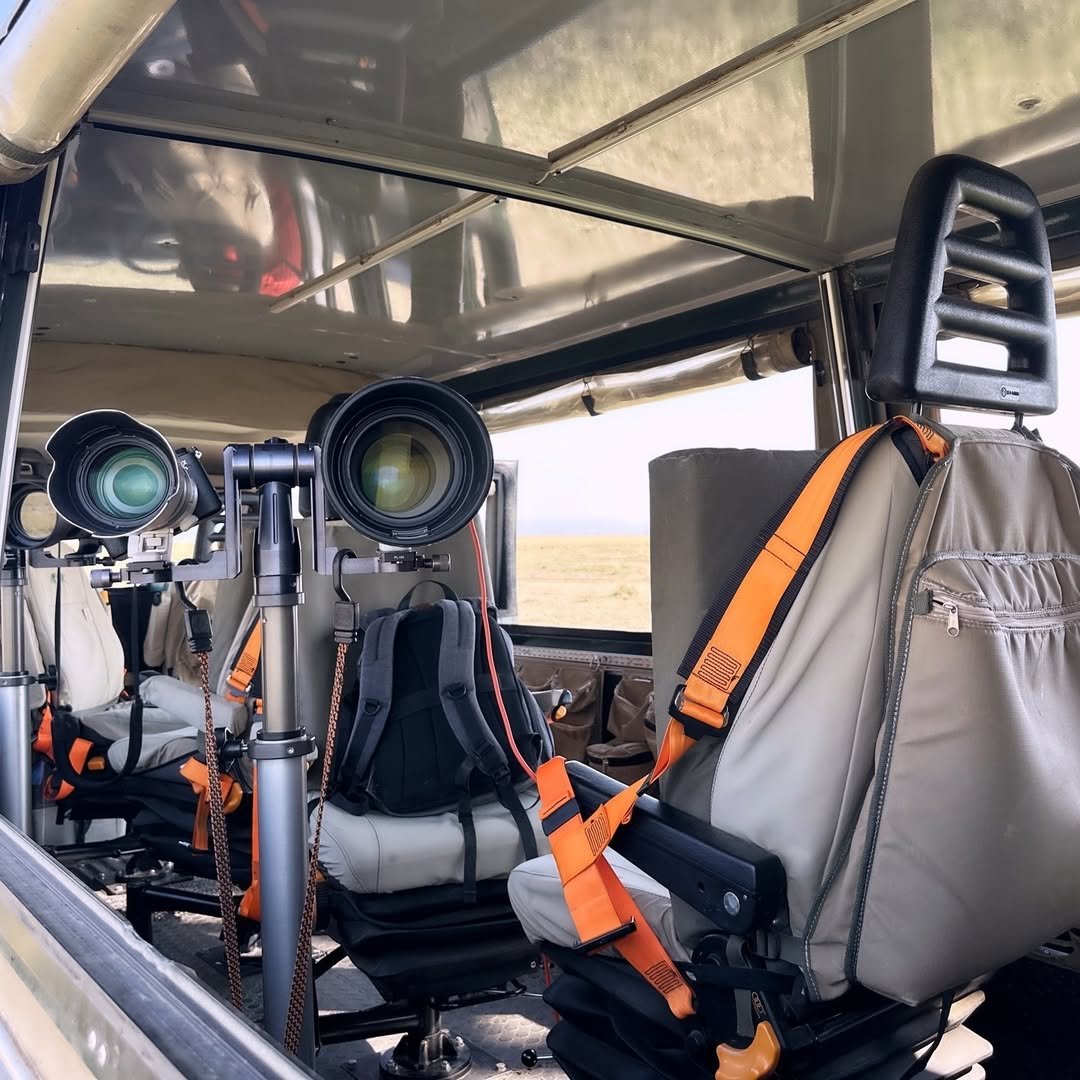
Telephoto lenses (100–400mm or 600mm) for distant subjects
Wide-angle lenses (16–35mm) for landscapes and environmental shots
Stabilization
Fluid-head tripod for smooth panning
Gimbal stabilizer for motion shots
Audio Equipment
Shotgun microphone for capturing natural sounds
Lavalier microphone for interviews
Drone Use
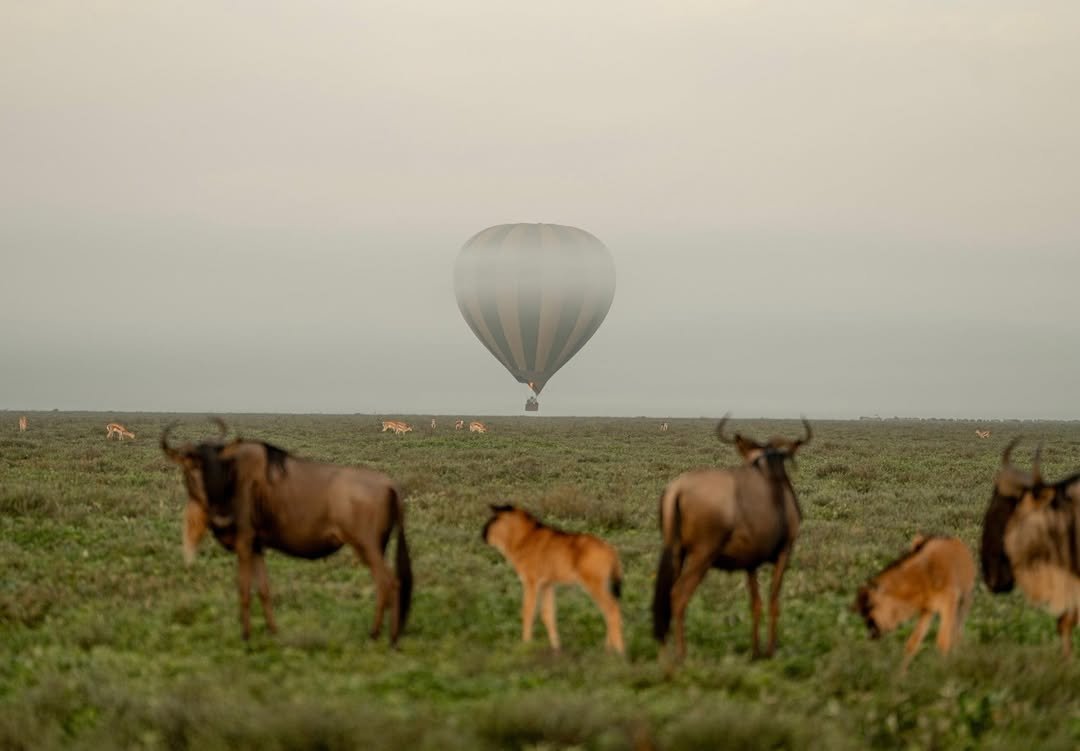
Drone filming requires approval from the Tanzania Civil Aviation Authority (TCAA). In restricted areas, consider alternatives such as scenic flights or hot air balloon safaris.
3. Filming Techniques for Cinematic Results
Use Natural Light
The best lighting conditions occur during early morning and late afternoon. Avoid filming during harsh midday light, which can create strong shadows and reduce image quality.
Practice Patience and Discretion
Wildlife filming requires patience. Maintain a quiet presence and avoid sudden movements. Use long lenses to capture close details without disturbing animals.
Focus on Behavior
Compelling footage goes beyond static shots. Capture natural behaviours such as hunting, feeding, movement, and social interaction.
Use Slow Motion and time-lapse.
Slow motion enhances dramatic sequences such as movement and action
Time-lapse captures environmental changes, such as cloud movement or sunrise
Build a Visual Narrative
Structure your footage to tell a story:
Begin with wide establishing shots
Transition to medium shots
Conclude with detailed close-ups
4. Ethical Wildlife Filming
Maintain Safe Distances
Avoid approaching or disturbing animals. Allow natural behaviour to unfold without interference.
Minimize Environmental Impact
Keep noise levels low and avoid unnecessary disruptions.
Follow Regulations
Adhere to all park rules and guidelines. Always follow instructions from guides and park authorities.
Support Conservation
Responsible filming can contribute to conservation awareness. Collaborate with local organisations where possible.
5. Editing and Post-Production
Organize Your Footage
Sort clips by species, location, and shot type. Maintain backups using external drives and cloud storage.
Use Professional Editing Software
Popular tools include Adobe Premiere Pro, Final Cut Pro, and DaVinci Resolve.
Enhance Audio and Music
Incorporate natural ambient sounds and carefully selected background music to enhance the viewing experience.
Add Narration or Text
Include informative narration or captions to provide context, scientific insights, and conservation messages.
Final Thoughts
Filming a wildlife documentary in Tanzania requires preparation, technical skill, and respect for nature. With the right approach, you can create compelling visual stories that showcase the beauty of the wild while promoting conservation.
At Kilisherpas Travel, we provide expert guidance to help you experience and document Tanzania’s wildlife in a meaningful and responsible way.