Tanzania’s sunrises and sunsets are among the most beautiful in the world. The golden light over the Serengeti plains, the dramatic colors in Ngorongoro Crater, and the glowing acacia trees create perfect moments for stunning photography.
Whether you’re using a professional camera or just your smartphone, these practical tips will help you capture breathtaking sunrise and sunset photos on your safari.
1. Plan Ahead for the Best Light
The Golden Hour (the time just before sunrise and after sunset) offers the most magical light.
Sunrise: Best from 30 minutes before sunrise to 1 hour after
Sunset: Best from 1 hour before sunset to 30 minutes after
Ask your driver-guide for the best viewpoints — such as rocky kopjes in the Serengeti, the rim of Ngorongoro Crater, or the shores of Lake Manyara. A few scattered clouds and dust in the dry season often create even more dramatic skies.
2. Recommended Camera Settings
For DSLR and Mirrorless Cameras:
Mode: Manual (M) or Aperture Priority (A/Av)
ISO: Start at 100–200 (increase slightly in low light)
Aperture: f/8 – f/11 for sharp landscapes f/2.8 – f/5.6 for isolating subjects
Shutter Speed: 1/100 sec or faster for handheld shots Slower speeds with a tripod for creative effects
White Balance: Daylight or Cloudy for warm golden tones
File Format: Shoot in RAW for better editing later
For Smartphones:
Use HDR mode to balance bright skies and darker foregrounds
Tap the sky and slide down to reduce exposure
Use Night mode or Portrait mode in very low light
3. Composition Tips for Beautiful Safari Photos
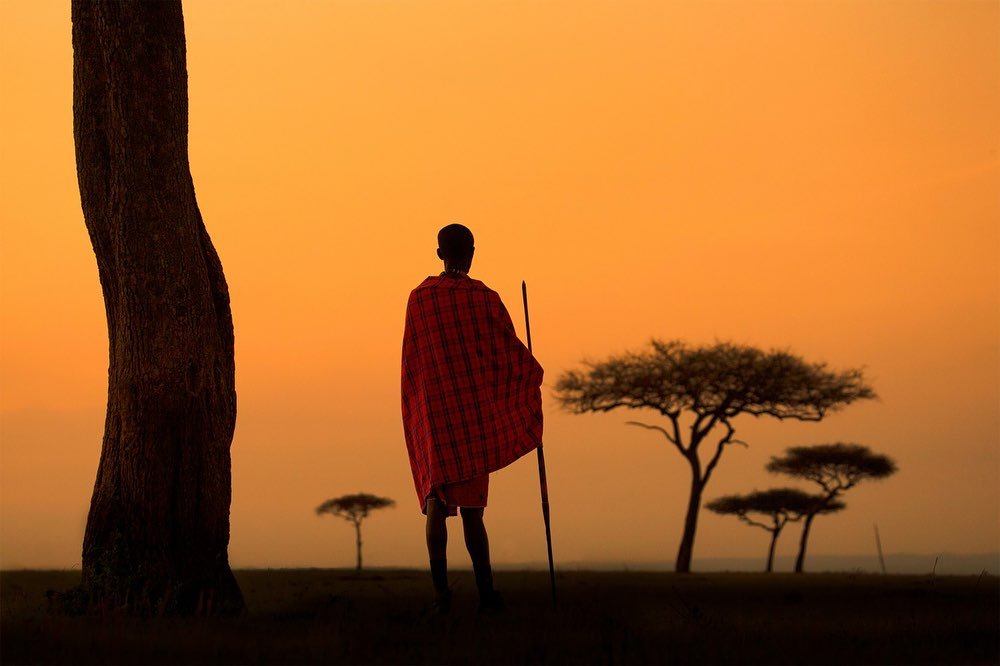
Silhouettes: Frame iconic shapes like acacia trees, giraffes, elephants, or safari vehicles against the glowing sky. Slightly underexpose to create strong silhouettes.
Leading Lines: Use roads, animal paths, or rivers to guide the viewer’s eye.
Reflections: Look for water holes or lakes to capture beautiful mirror-like reflections.
Rule of Thirds: Place the horizon on the top or bottom third of the frame and leave space for the colorful sky.
4. Essential Gear for Sunrise & Sunset Photography
Camera: Mirrorless or DSLR (Sony A7 IV, Canon R6, Nikon Z6 II recommended)
Lenses:
Wide-angle (16–35mm or 24–70mm) for landscapes
Telephoto (70–200mm or 100–400mm) for wildlife against the sun
Tripod or Bean Bag: Essential for stability in low light
ND Filter: Helps control bright light and create smooth effects
Lens Cloth: Dust is common during game drives
5. Creative Techniques to Try
Create sunburst effects by setting aperture to f/16 and partially hiding the sun behind a tree or rock.
Use slow shutter speeds (1–5 seconds) with a tripod for soft, dreamy clouds.
Try exposure bracketing — take several shots at different exposures and blend them later.
6. Simple Editing Tips
Increase warmth to enhance the golden tones
Boost contrast to make silhouettes stand out
Reduce highlights to avoid blown-out skies
Slightly increase vibrancy for rich reds, oranges, and blues
Final Thoughts
Tanzania’s sunrises and sunsets are truly magical. With a little planning and these simple techniques, you can capture photos that will remind you of your safari for years to come.
Remember — the best shots often happen when you put the camera down for a moment and simply enjoy the beauty of the African sky.
Ready to experience Tanzania’s golden hours on safari?
Let our team at Kilisherpas Travel create a personalised itinerary with plenty of time for photography.