The Serengeti is one of the most photogenic destinations in the world. From vast golden plains filled with wildlife to dramatic river crossings and striking sunrises, it offers endless opportunities for exceptional photography.
Whether you are capturing the Great Migration, wildlife portraits, or sweeping landscapes, this guide highlights the best photo locations in the Serengeti and provides practical tips to help you achieve outstanding results.
1. The Mara River – Great Migration Crossings
Located in the northern Serengeti, the Mara River is one of the most dramatic wildlife photography locations in Africa. Between July and October, thousands of wildebeest and zebras cross the river, often facing strong currents and crocodile attacks.
Best shots to capture:
Wildebeest leaping into the river
Crocodiles during ambush moments
Dust, splashes, and movement during crossings
Photography tips:
Use a fast shutter speed (1/2000s or higher)
A telephoto lens (400mm or more) is essential
Shoot from a low angle to enhance drama and scale
2. Moru Kopjes – Iconic Rock Formations
The Moru Kopjes are scattered granite outcrops that rise from the plains. These formations are known for attracting lions and other predators, making them ideal for dramatic wildlife compositions.
Best shots to capture:
Lions resting on elevated rocks
Leopards in shaded crevices
Silhouettes against sunrise or sunset
Photography tips:
Use a wide-angle lens for environmental shots
Position subjects against the sky for strong silhouettes
Be patient, as predators often rest for long periods
3. The Endless Plains – Classic Serengeti Landscapes
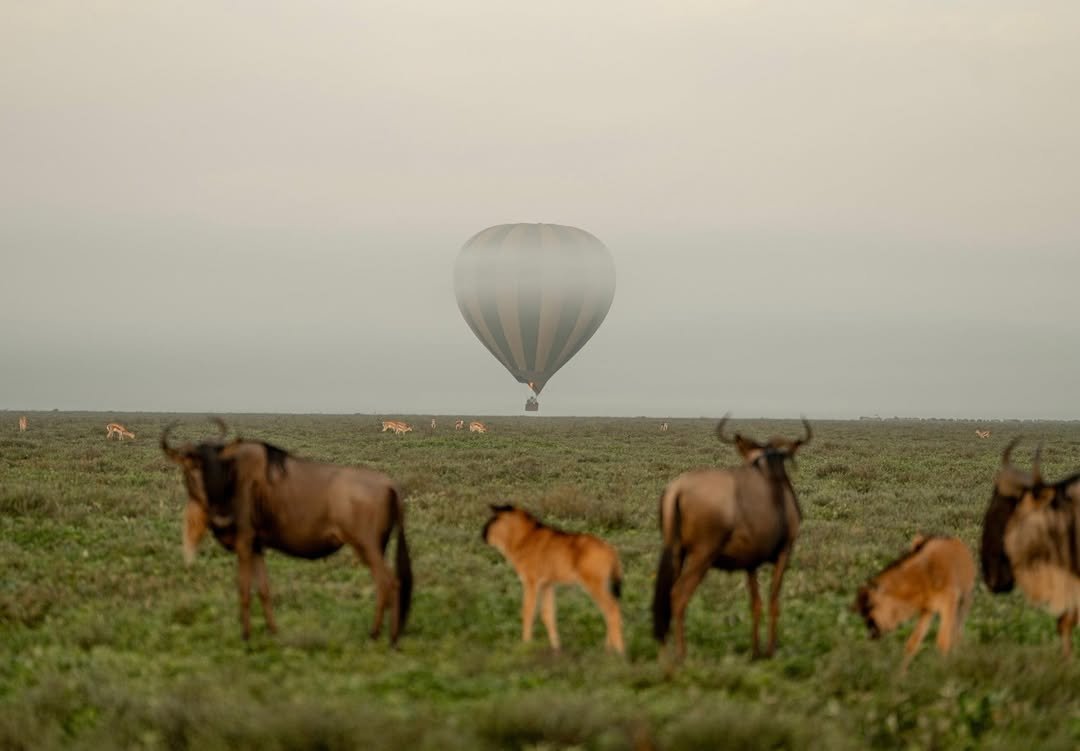
The open plains define the Serengeti’s identity. Seasonal changes transform the scenery, from lush green landscapes during the wet season to golden savannas in the dry season.
Best shots to capture:
Large herds stretching across the horizon
Isolated acacia trees
Storm clouds and dramatic skies
Photography tips:
Use a polarizing filter to enhance contrast
Experiment with aperture settings for depth
Capture time-lapse sequences for moving clouds and herds
4. Seronera Valley – Predator Photography
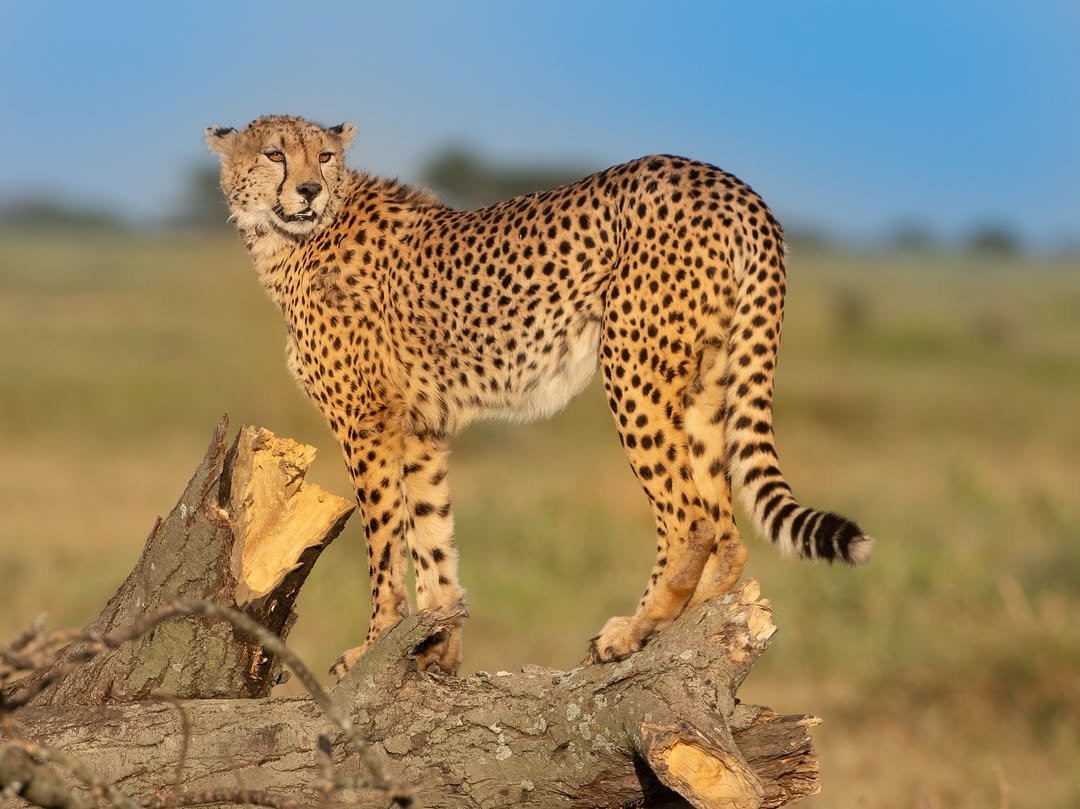
Located in the central Serengeti, the Seronera Valley is one of the best areas for photographing big cats due to its permanent water sources and abundant prey.
Best shots to capture:
Cheetahs in motion
Leopards resting in trees
Lions in soft, golden backlight
Photography tips:
Use telephoto lenses (200–600mm)
Apply shallow depth of field to isolate subjects
Consider black-and-white editing for dramatic effect
5. Retima Hippo Pool – Close Wildlife Encounters
The Retima Hippo Pool offers excellent opportunities for photographing hippos in large numbers. The constant activity provides dynamic and engaging scenes.
Best shots to capture:
Hippos opening their jaws
Groups interacting in the water
Birds resting on hippos
Photography tips:
Use a medium telephoto lens (100–400mm)
Set fast shutter speeds for movement
Shoot during early morning or late afternoon for better light
6. The Grumeti River – Quiet Migration Moments
Located in the western corridor, the Grumeti River offers a quieter but equally compelling migration experience, with fewer crowds and large crocodiles.
Best shots to capture:
Crocodiles in still water
Wildebeest approaching cautiously
Elephants along the riverbanks
Photography tips:
Stay alert for sudden action
Use zoom lenses for safety and flexibility
Incorporate reflections for creative compositions
7. Naabi Hill – Panoramic Views
Naabi Hill provides one of the best panoramic viewpoints in the Serengeti, especially at sunrise.
Best shots to capture:
Wide-angle views of the plains
Sunrise light over the landscape
Animals moving across open terrain
Photography tips:
Arrive before sunrise
Use a tripod for stability
Compose shots that include movement for storytelling
Final Photography Tips
Best time to visit:
Dry season (June to October) for wildlife action and golden tones
Wet season (November to May) for lush scenery and dramatic skies
Recommended gear:
Telephoto lens (100–600mm)
Wide-angle lens (16–35mm)
Tripod or stabilizer
Best time of day:
Early morning and late afternoon for optimal lighting
Midday for action shots, with adjusted camera settings
Respect wildlife:
Maintain safe distances
Avoid disturbing animals
Allow natural behavior to guide your photography
Conclusion
The Serengeti offers unmatched opportunities for wildlife and landscape photography. From dramatic river crossings to peaceful savannas, every location presents a unique story waiting to be captured.
With the right preparation, equipment, and respect for nature, you can create powerful images that reflect the beauty and authenticity of Tanzania’s wilderness.
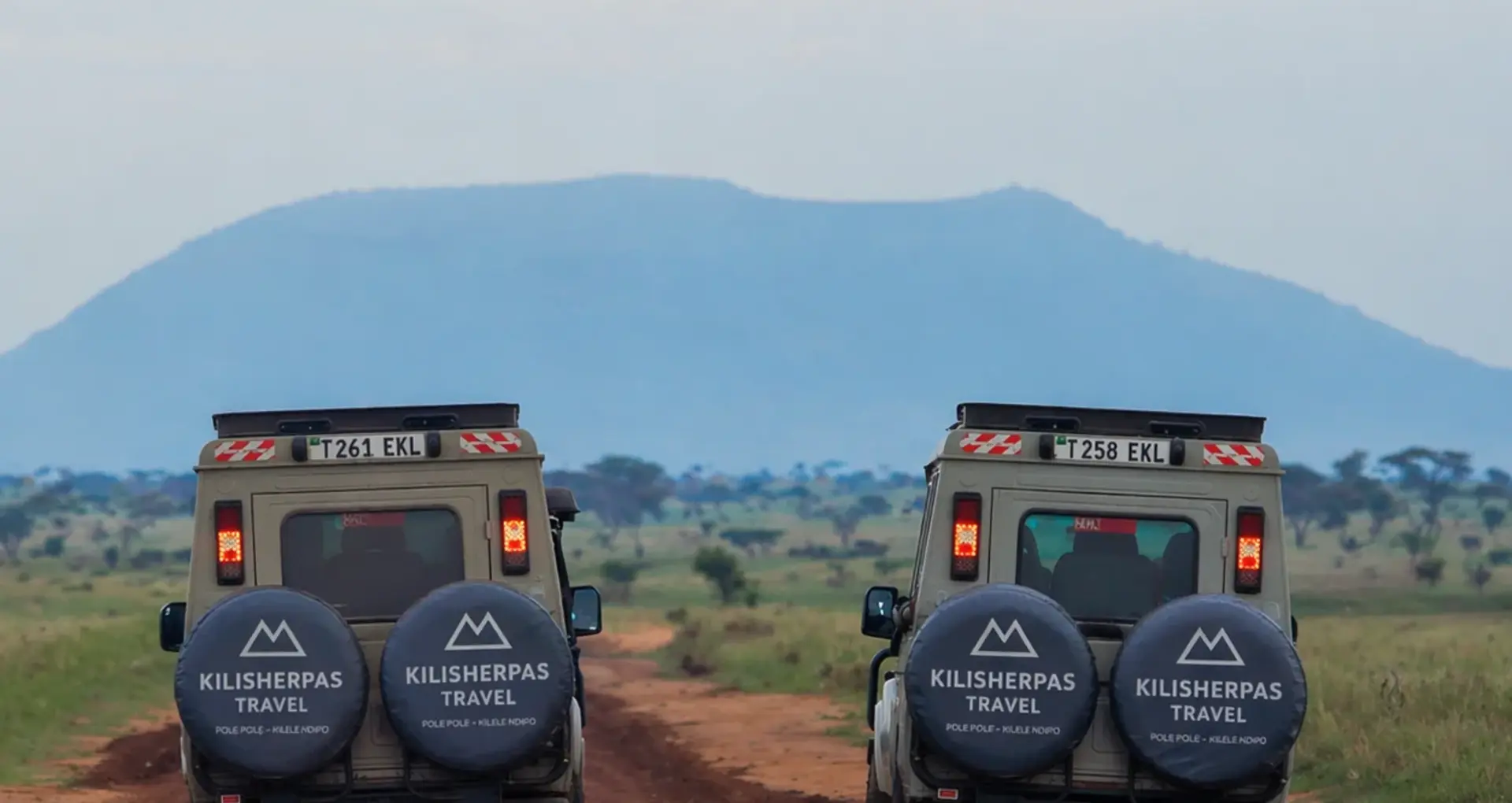
At Kilisherpas Travel, we guide photographers to the most rewarding locations while ensuring a responsible and unforgettable safari experience.