When most travellers think of African safaris, their attention naturally goes to the famous Big Five-lion, elephant, buffalo, leopard, and rhino. However, Africa also has a fascinating and often overlooked group of smaller creatures known as the “Little Five".
These animals may be small in size, but they are incredibly unique in behaviour, ecology, and symbolism. Spotting them adds an exciting and educational layer to any safari experience in Tanzania.
In this Kilisherpas Travel guide, we explore the Little Five in detail and explain why they deserve a place on your safari checklist.
What Are the Little Five?
The Little Five is a safari concept created to encourage travellers to appreciate Africa’s smaller wildlife species. Each animal is named in connection with one of the Big Five:
Elephant Shrew
Antlion
Buffalo Weaver
Rhinoceros Beetle
Leopard Tortoise
Unlike the Big Five, these animals are not dangerous or large, but they are equally fascinating in their behavior and ecological roles.
1. Elephant Shrew (Sengi)
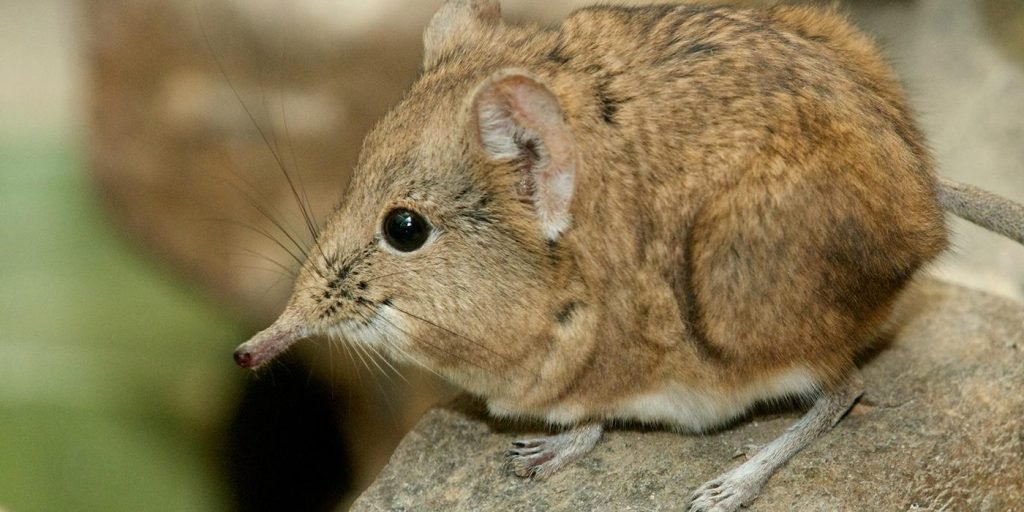
The elephant shrew, also known as a sengi, is a small mammal with a long, flexible snout resembling an elephant’s trunk.
Key Facts:
Size: 10–30 cm in length
Diet: Insects and small invertebrates
Movement: Extremely fast and agile, often hopping when escaping danger
Classification: Surprisingly, they are more closely related to elephants than to true shrews
These shy creatures are found in various habitats across Tanzania, especially in savanna and woodland areas.
2. Antlion
The antlion is an insect best known for its fascinating larval behaviour.
Key Facts:
Adults resemble delicate dragonflies
Larvae build cone-shaped sand traps to catch prey
Prey includes ants and small insects
Uses sand-throwing behavior to destabilize victims
The antlion is one of nature’s most efficient miniature predators, showcasing remarkable engineering instincts.
3. Buffalo Weaver
The buffalo weaver is a social bird commonly found near large herbivores such as buffalo.
Key Facts:
Lives in large colonies
Feeds on insects, seeds, and parasites on animals
Builds massive communal nests
Often seen around savanna herds
This bird plays an important ecological role by cleaning parasites from large mammals.
4. Rhinoceros Beetle
Rhinoceros beetles are among the strongest insects on Earth relative to their size.
Key Facts:
Can grow up to 17 cm long
Males have horn-like structures similar to rhinos
Extremely strong for their size
Belong to the scarab beetle family
Despite their intimidating appearance, they are harmless to humans and play a role in decomposing organic matter.
5. Leopard Tortoise
The leopard tortoise is named for its beautiful shell pattern, which resembles leopard spots.
Key Facts:
One of the largest tortoise species in Africa
Can weigh up to 50 kg
Long lifespan
Herbivorous diet
They are commonly found in Tanzania’s grasslands and are relatively easy to spot during safaris.
Beyond the Little Five: The Shy Five
After discovering the Little Five, safari enthusiasts often move on to the even more elusive Shy Five, which includes:
Aardvark
Aardwolf
Bat-eared Fox
Porcupine
Meerkat
These animals are nocturnal or extremely cautious, making them a rare but rewarding sighting.
Why the Little Five Matter
The Little Five highlight an important truth about African safaris: wildlife diversity is not only about large predators and mammals.
They help travellers:
Appreciate biodiversity at all levels
Understand ecological relationships
Experience a more complete safari adventure
Develop a deeper respect for nature
Conclusion
The Little Five of Africa prove that safari experiences go far beyond the famous Big Five. These small but extraordinary creatures bring balance, beauty, and ecological depth to Tanzania’s wilderness.
With Kilisherpas Travel, your safari becomes more than just game viewing – it becomes a complete journey into Africa’s living ecosystem.