Packing for a Tanzania safari can feel overwhelming, but getting it right makes a huge difference to your comfort and enjoyment. Limited luggage space in safari vehicles, dramatic temperature swings, and dusty conditions mean smart, practical packing is essential.
At Kilisherpas Travel, we’ve helped thousands of travelers prepare for their dream safari. Here is our ultimate Tanzania safari packing list for 2026 refined from real guest feedback and years of on-the-ground experience.
Why Smart Packing Matters
Safari vehicles and small aircraft often have strict weight and space limits (usually 15kg per person in soft bags). Overpacking leads to stress, while underpacking can leave you uncomfortable during early morning game drives or dusty afternoons.
The golden rule: Travel light but prepared. Focus on versatile, quick-drying, and practical items.
1. Safari Packing Philosophy
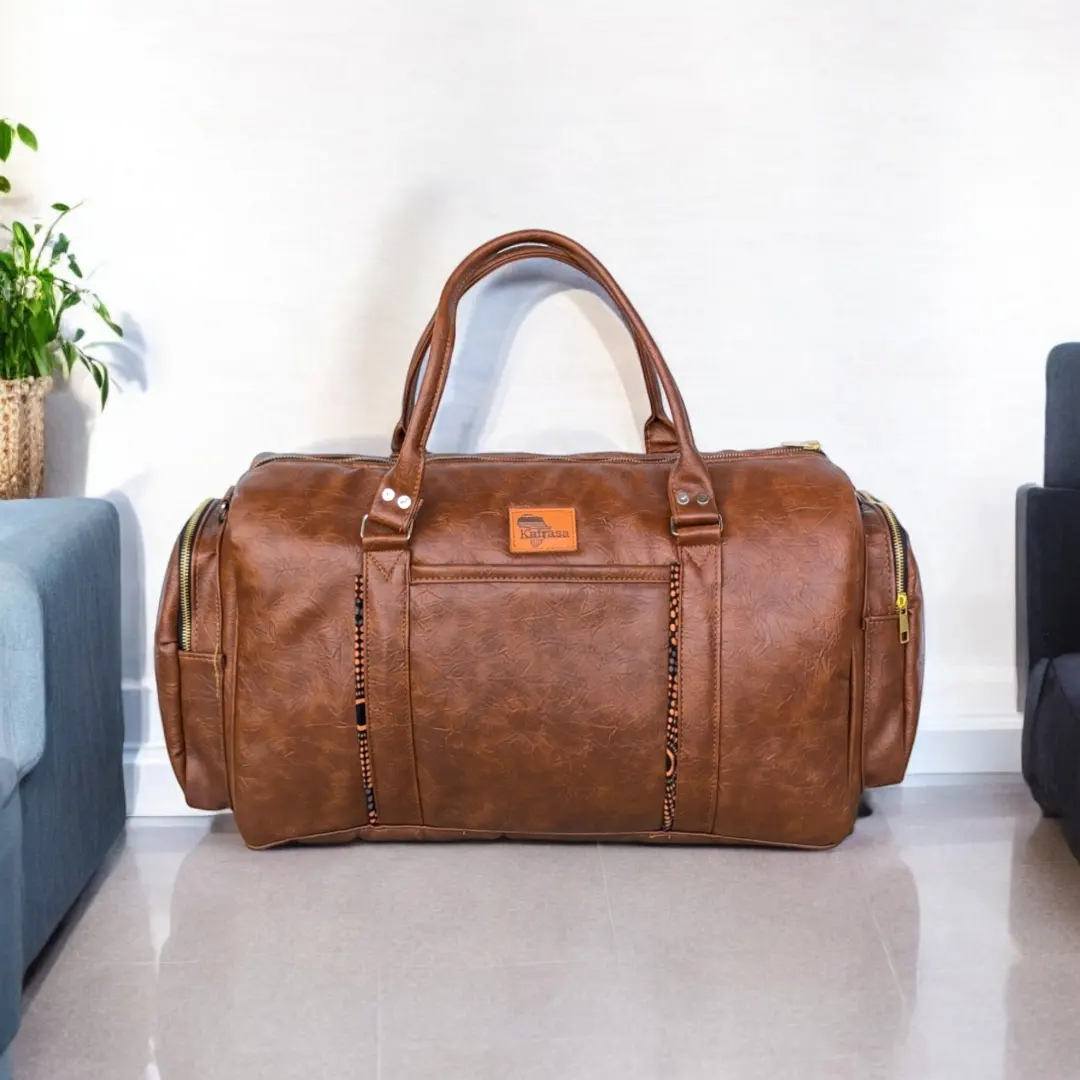
Use soft-sided duffel bags or rollable luggage (hard suitcases are difficult to fit in safari vehicles).
Stick to a maximum of 15–20 kg per person for checked luggage.
Prioritize multi-purpose items over “just in case” pieces.
Plan to wear some items more than once — laundry service is available at most lodges.
2. Clothing Essentials
Core Safari Otravellersutfits (for 7–10 days):
5–7 lightweight, breathable T-shirts or polo shirts
3–4 long-sleeved shirts (for sun and insect protection)
2–3 pairs of lightweight cotton or quick-dry trousers
1–2 pairs of shorts or modest skirts (for lodge use)
1 warm fleece jacket or sweater (essential for cold mornings and evenings)
1 lightweight waterproof/windproof jacket
Swimsuit (for lodge pools or plunge pools)
Underwear and socks (quick-dry preferred)
Color Guidelines:
Best colors: Khaki, beige, olive green, neutral earth tones
Avoid: Bright white (shows dust instantly), dark blue or black (attracts tsetse flies in some areas)
Strictly prohibited in national parks: Camouflage clothing
3. Footwear
1 pair of comfortable, closed-toe walking shoes or lightweight hiking shoes (for game drives and short walks)
1 pair of sandals or flip-flops (for use around the lodge)
Avoid high heels or heavy boots
4. Health & Medical Kit
All prescription medications (with enough for the entire trip + extra days)
Anti-malaria medication (consult your doctor well in advance)
Motion sickness tablets (for long game drives)
Antihistamines and allergy relief
Basic first-aid supplies: plasters, antiseptic wipes, painkillers, diarrhea medication
Personal items: inhaler, contact lenses/solution, any specialized medication
5. Toiletries & Personal Care
High-SPF sunscreen (SPF 40+ or higher, waterproof)
Strong insect repellent (DEET-based recommended)
Hand sanitizer and disinfectant wipes
Lip balm with SPF
Personal hygiene products (travel-sized)
Wet wipes (very useful during dusty game drives)
Small towel or quick-dry travel towel
6. Safari Gear & Accessories
Polarized sunglasses (protect against glare and dust)
Wide-brimmed hat or baseball cap
Bandana or lightweight scarf (for dust protection)
Camera, spare batteries, and memory cards
Binoculars (8x or 10x recommended)
Smartphone + charging cables + portable power bank
Universal travel adapter (Type G – UK style plugs)
Small notebook and pen
Headlamp or flashlight (useful during power outages at camps)
7. Documents & Essentials
Valid passport (with at least 6 months validity)
Printed and digital copies of passport, visa, and travel insurance
Flight tickets and detailed safari itinerary
Travel insurance documents (including medical evacuation coverage)
Credit/debit cards + some cash in clean USD bills (post-2009)
Emergency contact list
8. Snacks & Comfort Items
High-energy snacks: nuts, energy bars, dried fruit, chocolate
Reusable water bottle (most lodges provide filtered water)
Favorite tea/coffee sachets (if you have specific preferences)
Earplugs and eye mask (for light sleepers)
9. What NOT to Pack
Excessive clothing or luggage
Bright, flashy, or white clothing
Expensive jewelry or valuables
Heavy books or bulky electronics
Camouflage or military-style clothing
Strong perfumes or scented products (can attract insects or disturb wildlife)
10. Pro Tips from Kilisherpas Travel
Layering is everything – temperatures can drop significantly before sunrise and after sunset.
Early morning game drives are often cold; bring a warm layer you can easily put on and remove.
Most lodges provide shampoo, soap, and laundry service; don’t overpack toiletries.
Safari vehicles usually have binoculars available, but bringing your own is more convenient.
Pack a small daypack for game drives to keep essentials (camera, sunscreen, water, and snacks) within easy reach.
Final Thoughts
Smart packing leads to a more comfortable, enjoyable, and stress-free Tanzania safari. Focus on practicality, comfort, and versatility rather than quantity.
When you pack wisely, you free yourself to fully immerse in the magic of the African wilderness from golden sunrises over the Serengeti to close encounters with the Big Five.
At Kilisherpas Travel, we’re here to help every step of the way. From personalized packing advice to crafting your perfect itinerary, our team ensures your safari is seamless and unforgettable.
Ready to start planning?
Contact Kilisherpas Travel today and let us help you prepare for the safari of a lifetime.