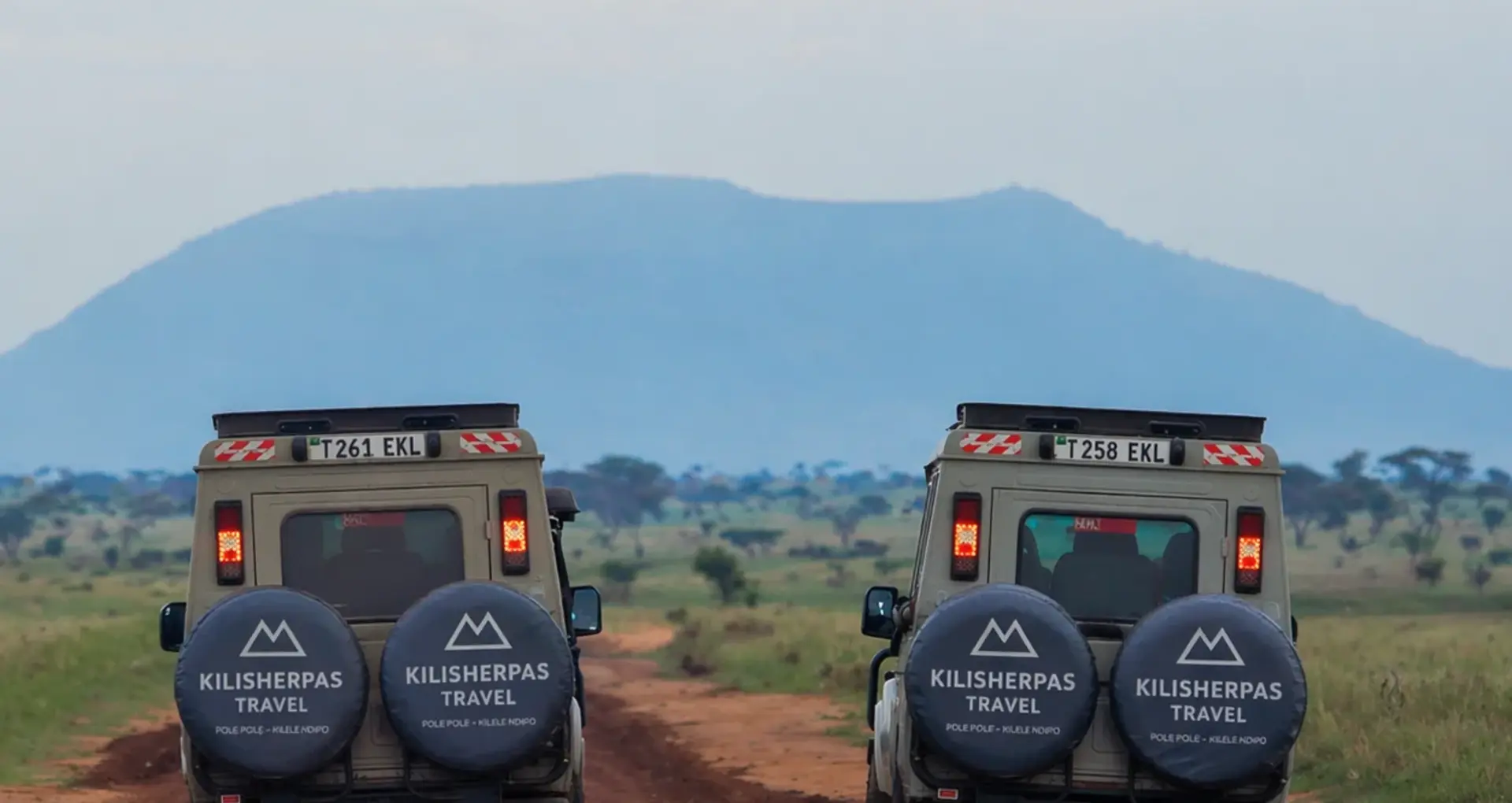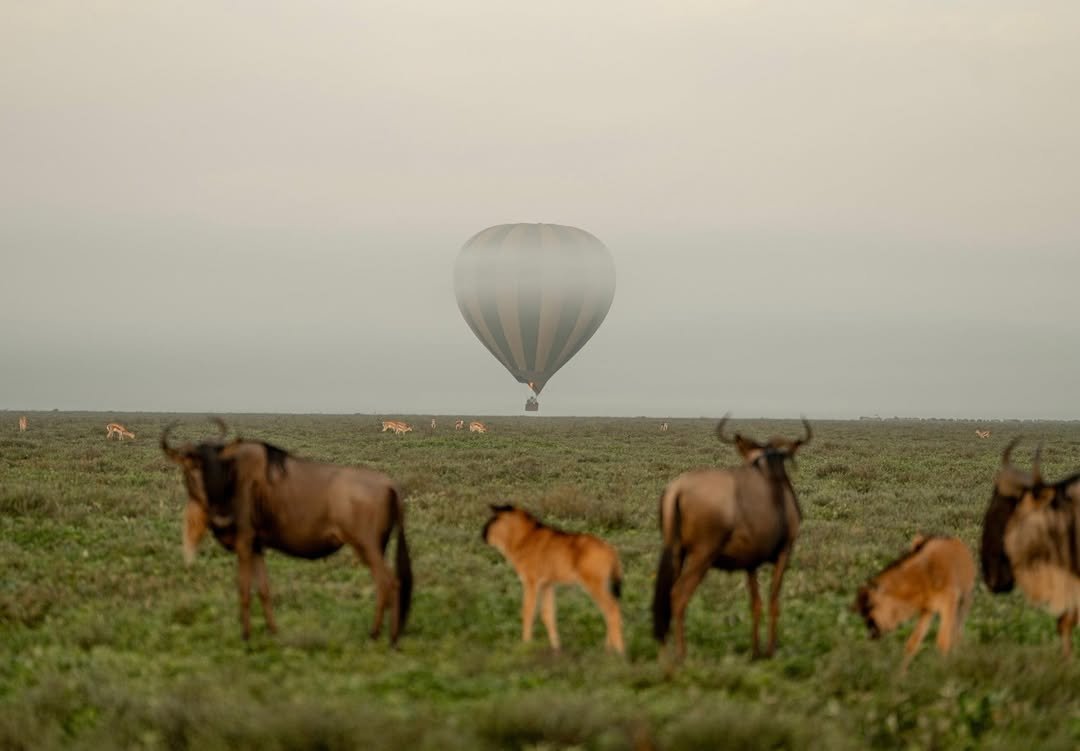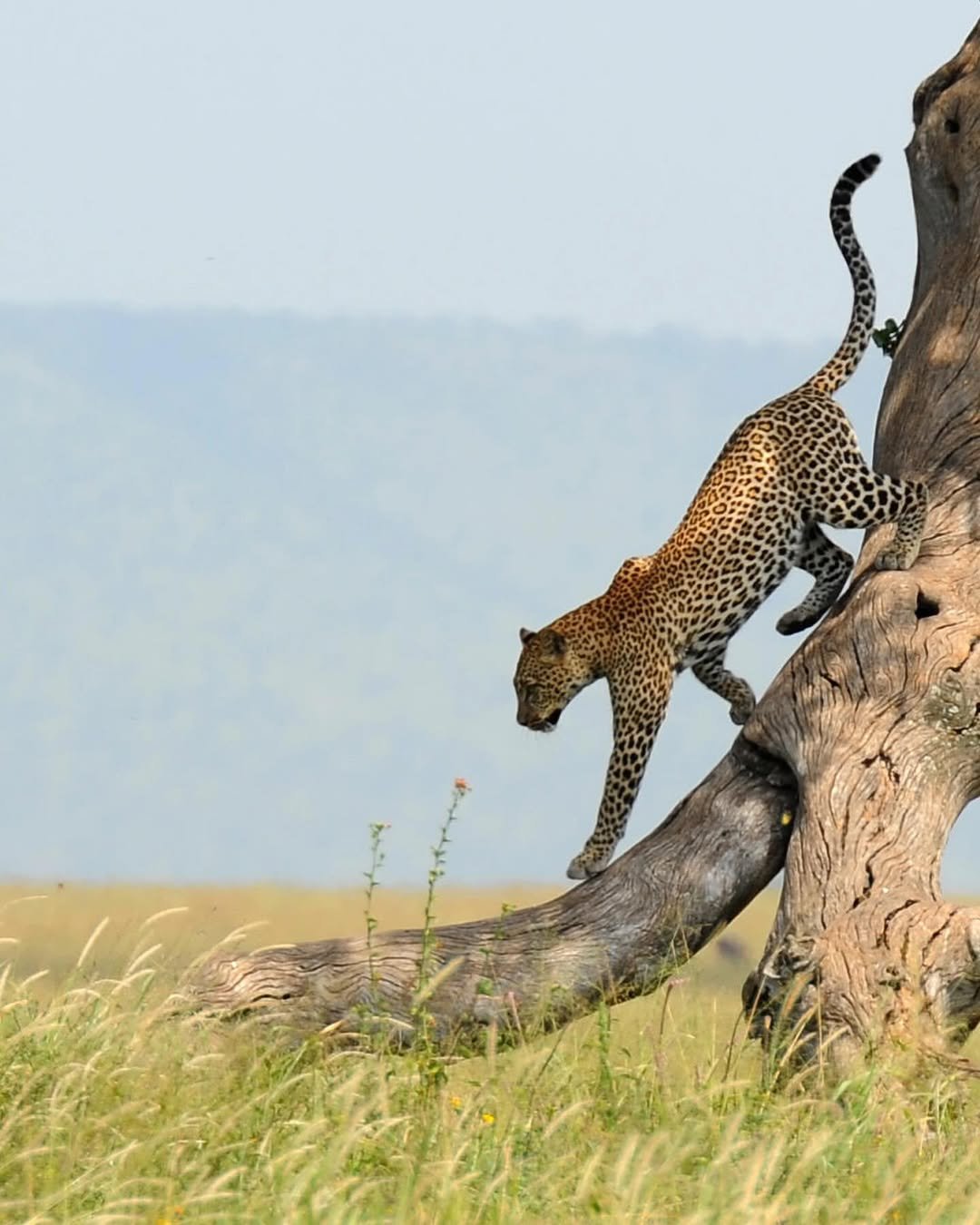
A safari is a constantly evolving experience, from drifting clouds over vast savannas to herds of wildlife moving across the landscape. While still photography captures individual moments, time-lapse photography allows you to present the passage of time in a dynamic and cinematic way.
This guide by Kilisherpas Travel will help you understand, plan, and execute time-lapse photography on safari, from equipment selection to shooting techniques and post-production.
1. What Is Time-Lapse Photography?
Time-lapse photography is a technique that involves capturing a sequence of images at set intervals and combining them into a video. This process transforms slow-moving scenes into visually engaging motion sequences.
It is particularly effective for:
Changing light during sunrise and sunset
Movement of clouds across open landscapes
Wildlife gathering at water sources
Large herds moving across the plains
Migration events
The result is a condensed visual story that reveals patterns and movement not easily noticed in real time.
2. Essential Gear for Time-Lapse Photography
Proper equipment is essential for achieving smooth and consistent results.
Recommended gear:
Camera with built-in interval shooting (DSLR, mirrorless, or action camera)
Sturdy tripod for stability
External intervalometer (if not built into the camera)
Wide-angle or standard zoom lens (16–35mm or 24–70mm)
Extra batteries and memory cards
Neutral density (ND) filters for controlling exposure in bright conditions
Smartphones can also be used with dedicated time-lapse applications, though dedicated cameras provide greater control and quality.
3. Choosing the Right Subjects
Time-lapse photography works best with scenes that change gradually over time.
Ideal subjects include:
Sunrise and sunset transitions
Moving cloud formations and approaching storms
Wildlife movement across open plains
Activity at waterholes
Grazing animals and slow behavioral changes
Selecting the right subject is key to creating a compelling final sequence.
4. Camera Settings for Time-Lapse
Using consistent manual settings is critical to avoid flickering and exposure shifts.
Recommended settings:
Mode: Manual (M)
Aperture: f/8 to f/11 for depth and sharpness
Shutter speed:
1/50s to 1/200s for wildlife scenes
1 to 5 seconds for smoother motion in clouds or water
ISO: 100 to 400 for minimal noise
White balance: Set manually to maintain consistent color
Interval guidelines:
Fast-moving wildlife: 1–5 seconds
Sunrises and sunsets: 5–15 seconds
Landscapes and clouds: 10–30 seconds
Migration or waterhole activity: 5–10 seconds
Shooting in RAW format is recommended for greater flexibility during editing.
5. Setting Up and Shooting
A well-prepared setup ensures stable and professional results.
Step 1: Composition
Frame your shot carefully, including both foreground and background elements. Apply composition techniques such as the rule of thirds.
Step 2: Stabilization
Secure your camera on a tripod or stabilize it using a beanbag if shooting from a vehicle. Avoid touching the camera during capture.
Step 3: Interval Setup
Set your interval based on the subject and allow the sequence to run uninterrupted.
Step 4: Patience
Time-lapse photography requires waiting. Allow enough time for meaningful changes to occur within the frame.
6. Editing and Post-Production
After capturing your images, the next step is to assemble them into a video.
Recommended software:
Adobe Premiere Pro
Final Cut Pro
DaVinci Resolve
LRTimelapse for advanced workflows
Editing workflow:
Import image sequence
Set frame rate (typically 24–30 frames per second)
Adjust exposure, contrast, and color
Apply stabilization if necessary
Export in high resolution (Full HD or 4K)
Careful editing enhances the overall visual quality and storytelling impact.
7. Practical Tips
Arrive early to set up before key moments such as sunrise or sunset
Use manual focus to prevent focus shifts during shooting
Ensure batteries are fully charged before long sessions
Carry sufficient storage for large image sequences
Consult your guide for stable and safe shooting locations
Avoid:
Disturbing wildlife for the sake of positioning
Interrupting a sequence too early
Relying on automatic settings that may change between frames
Conclusion
Time-lapse photography adds a unique dimension to safari storytelling, allowing you to showcase movement, light, and wildlife behaviour in a compelling format. With proper preparation, the right equipment, and attention to detail, you can create cinematic sequences that reflect the true rhythm of the African wilderness.
At Kilisherpas Travel, we support photographers and filmmakers in capturing Tanzania’s landscapes and wildlife in a professional, responsible, and memorable way.