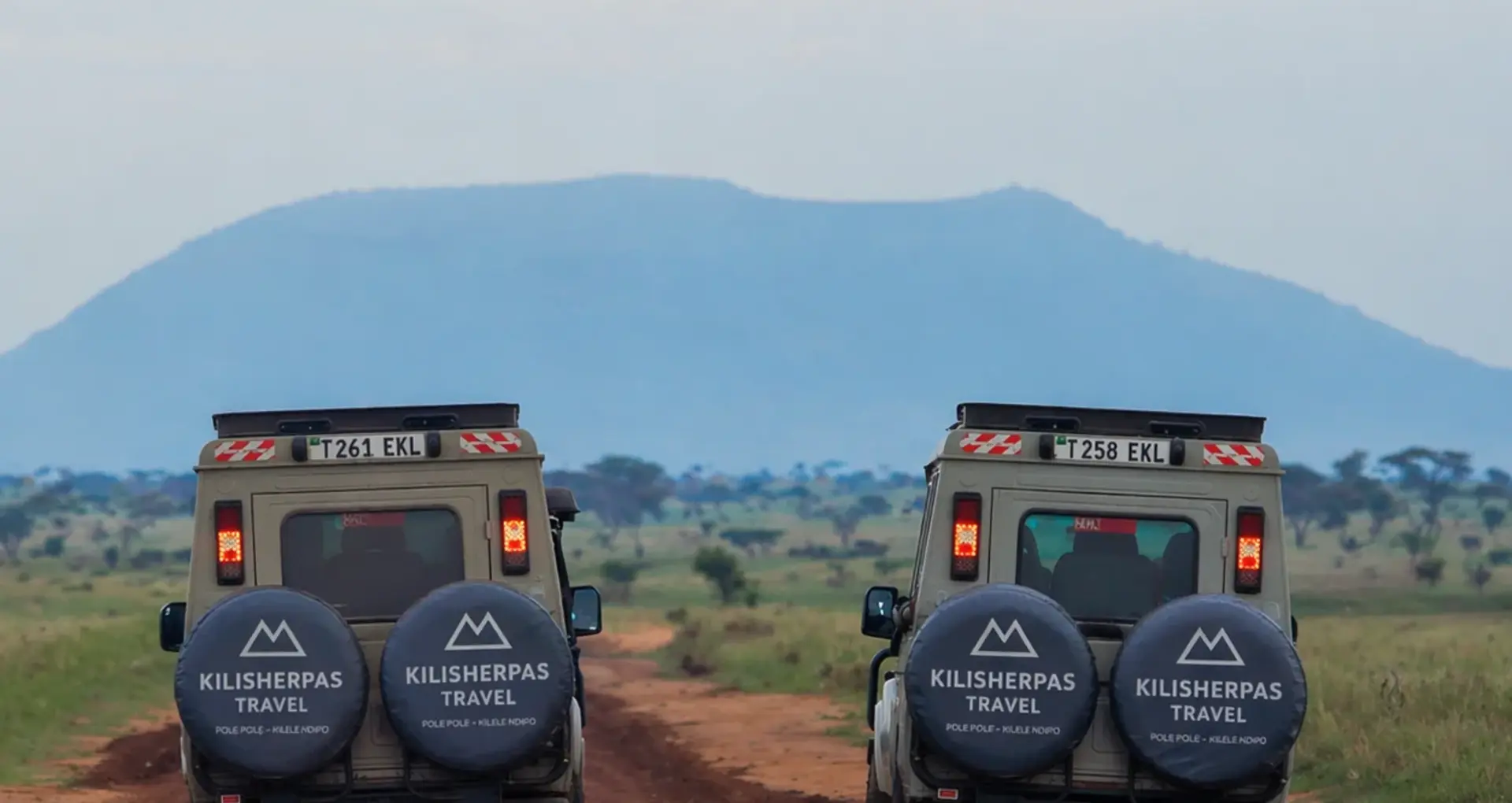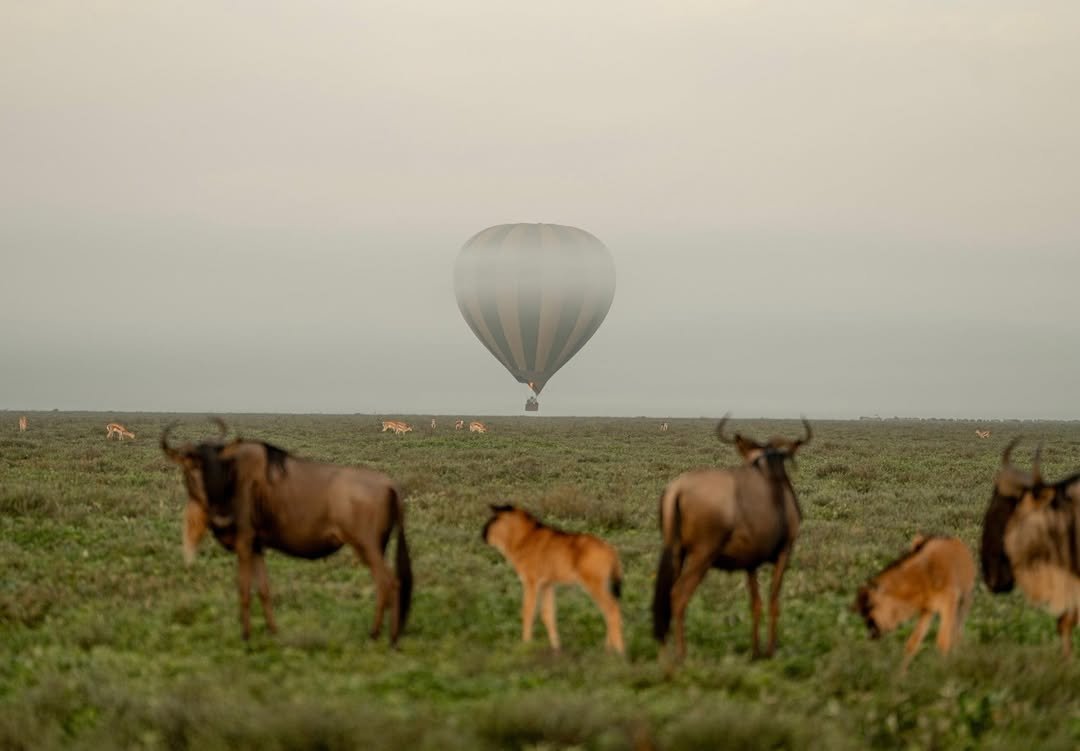
Returning from an unforgettable Tanzania adventure – whether a thrilling safari in the Serengeti, a challenging climb on Mount Kilimanjaro or Mount Meru, wildlife encounters at Lake Natron, or relaxing on the spice-scented beaches of Zanzibar – you'll want to bring home meaningful souvenirs that capture the spirit of East Africa.
Tanzania boasts incredibly talented artisans whose handmade creations reflect rich cultural traditions, vibrant wildlife, and natural treasures. At Kilisherpas Travel, we encourage responsible shopping that supports local communities while ensuring your souvenirs are authentic and ethically sourced.
Here’s our curated list of the top 7 authentic Tanzanian souvenirs for 2026/2027, complete with shopping tips, where to buy, and what to watch for.
Shopping Tips for Tanzania
Bargaining is a friendly and expected part of the shopping experience in markets and private shops. Start by offering about half the quoted price and negotiate politely with a smile — it’s all part of the fun. In some cases, locals may even accept bartering with personal items like a hat, T-shirt, or watch.
Always ask for a receipt and certificate of authenticity, especially for tanzanite or high-value items, to avoid customs issues when leaving Tanzania. For wildlife products (e.g., certain woods or carvings), ensure they are sustainably sourced and legal. Avoid anything made from ivory, rhino horn, or protected animal skins.
Top 7 Authentic Tanzania Souvenirs
1. Maasai Beaded Jewelry, Textiles & Wood Carvings
Colourful, intricate beadwork is one of the most iconic symbols of Tanzania. Maasai women create beautiful bracelets, necklaces, earrings, belts, and bags using traditional patterns that carry cultural meaning. You’ll also find hand-carved wooden figurines of wildlife (elephants, lions, and giraffes) and ceremonial masks.
Where to buy: Maasai Market in Arusha, villages near Ngorongoro or Lake Manyara (e.g., Esalali Women’s Project in Karatu), Sidai Centre (supports Maasai women), or the craft shop at the Boma Museum. Look for pieces made directly by Maasai artisans for authenticity.
2. Tanzanite Jewelry
The rare blue-violet gemstone found only in Tanzania near Mount Kilimanjaro is a true national treasure. Its pleochroism (colour-shifting from blue to violet depending on the light) makes every piece unique. Choose from pendants, rings, earrings, or bracelets – often paired with diamonds.
Where to buy: The Tanzanite Experience (stores and museums in Arusha, Kilimanjaro/Manyara airports, Ngorongoro, and Zanzibar; reputable shops like The Tanzanite Dream in Dar es Salaam or Isle of Jewels. Always request a certificate of authenticity and receipt. Ethically certified dealers are recommended.
3. Tanzanian Coffee & Spiced Tea
Coffee grown on the fertile slopes of Mount Kilimanjaro is rich, bold, and often has subtle fruity or floral notes. Look for “AA” grade beans. Tanzanian spiced tea (masala-style with cinnamon, ginger, cardamom, or vanilla) and rooibos blends also make delicious, easy-to-carry gifts.
Where to buy: Local markets in Arusha or Dar es Salaam, airports, or during a coffee plantation tour near Kilimanjaro (e.g., Materuni Waterfalls tours). Pack in airtight pouches for freshness.
4. Makonde Wood Carvings & Mapiko Masks
The Makonde people are renowned for their intricate sculptures carved from a single block of African blackwood (mpingo) or other sustainable woods. Popular motifs include the “Tree of Life” (intertwined figures symbolising unity) and abstract spirit figures. Simplified Mapiko masks are also popular.
Where to buy: Mwenge Woodcarvers Market in Dar es Salaam, African Galleria en route to Ngorongoro, or Serengeti curio shops. Choose sustainably sourced wood.
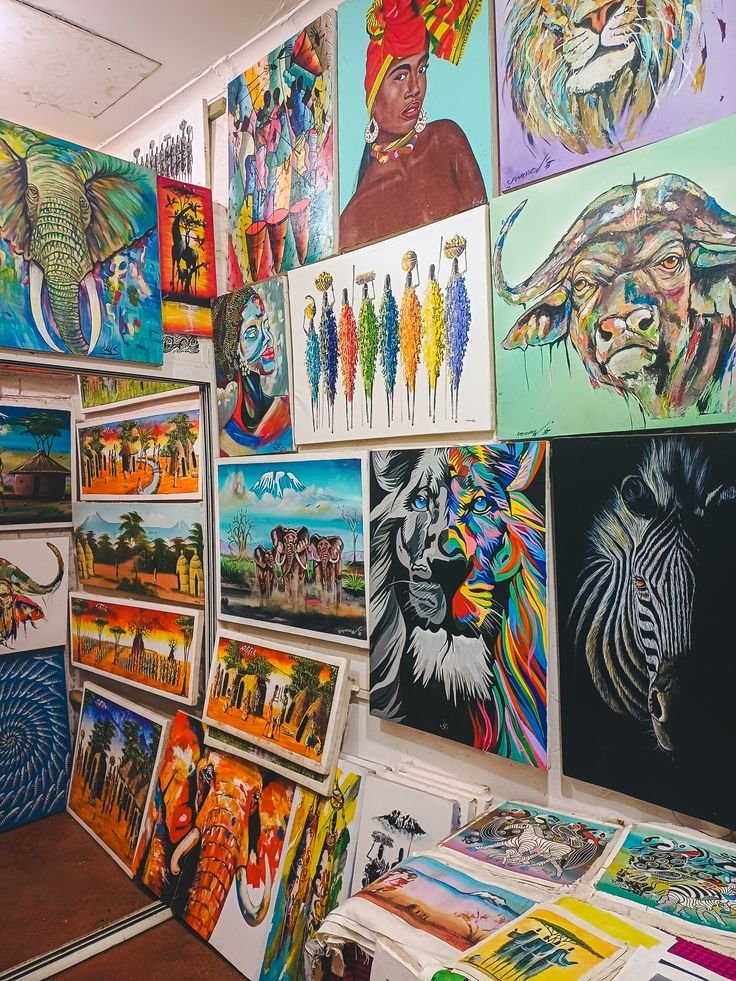
5. Vibrant Tinga Tinga Paintings
These bold, colourful enamel paintings on canvas or muslin fabric depict Tanzanian wildlife, village scenes, and daily life in a playful, distinctive style pioneered by artist Eduardo Tingatinga in the 1960s. They are lightweight, affordable, and instantly recognisable as Tanzanian art.
Where to buy: Almost every souvenir shop, Tinga Tinga Arts Cooperative in Dar es Salaam, or galleries in Stone Town, Zanzibar (e.g., Hellen Art Gallery).
6. Zanzibar Spices
Zanzibar, known as the “Spice Island”, produces world-famous cloves, cinnamon, cardamom, vanilla, nutmeg, black pepper, and turmeric. Buy whole spices or ready-made blends for masala tea or curry. The aromas will instantly transport you back to your trip.
Where to buy: Darajani Market or Forodhani Night Market in Stone Town (Zanzibar); Kariakoo Market in Dar es Salaam. Check current export rules with your guide, as some restrictions may apply.
7. Leather Goods & Soapstone Carvings
Handcrafted leather bags, belts, sandals, and wallets showcase excellent Tanzanian craftsmanship. Soapstone (a soft, smooth stone) is carved into small animal figurines, boxes, or decorative pieces – lightweight and easy to pack.
Where to buy: General souvenir shops, Zanzibar Gallery or Zivansh in Stone Town, and local markets across the mainland.
Responsible Souvenir Shopping with Kilisherpas Travel
We recommend supporting community projects and women’s cooperatives (like those empowering Maasai women) whenever possible. This ensures your purchase contributes directly to local livelihoods.
Our guides are happy to recommend trusted shops and help you navigate bargaining or verify authenticity during your safari, Mount Meru/Kilimanjaro climb, or Zanzibar extension.
Final Tips for 2026/2027 Travelers
Pack souvenirs carefully — wrap fragile items and protect paintings.
Declare high-value items like tanzanite at customs if required.
Combine shopping with cultural experiences: visit a Maasai village, join a beadwork workshop, or tour a spice farm.
Bringing home an authentic piece of Tanzania keeps the magic of your journey alive long after you return.
Ready to explore Tanzania and find the perfect souvenirs? Contact Kilisherpas Travel today to design your personalised 2026/2027 safari, mountain climb, or Zanzibar adventure – complete with insider shopping guidance.